The Suburban Heart of Football
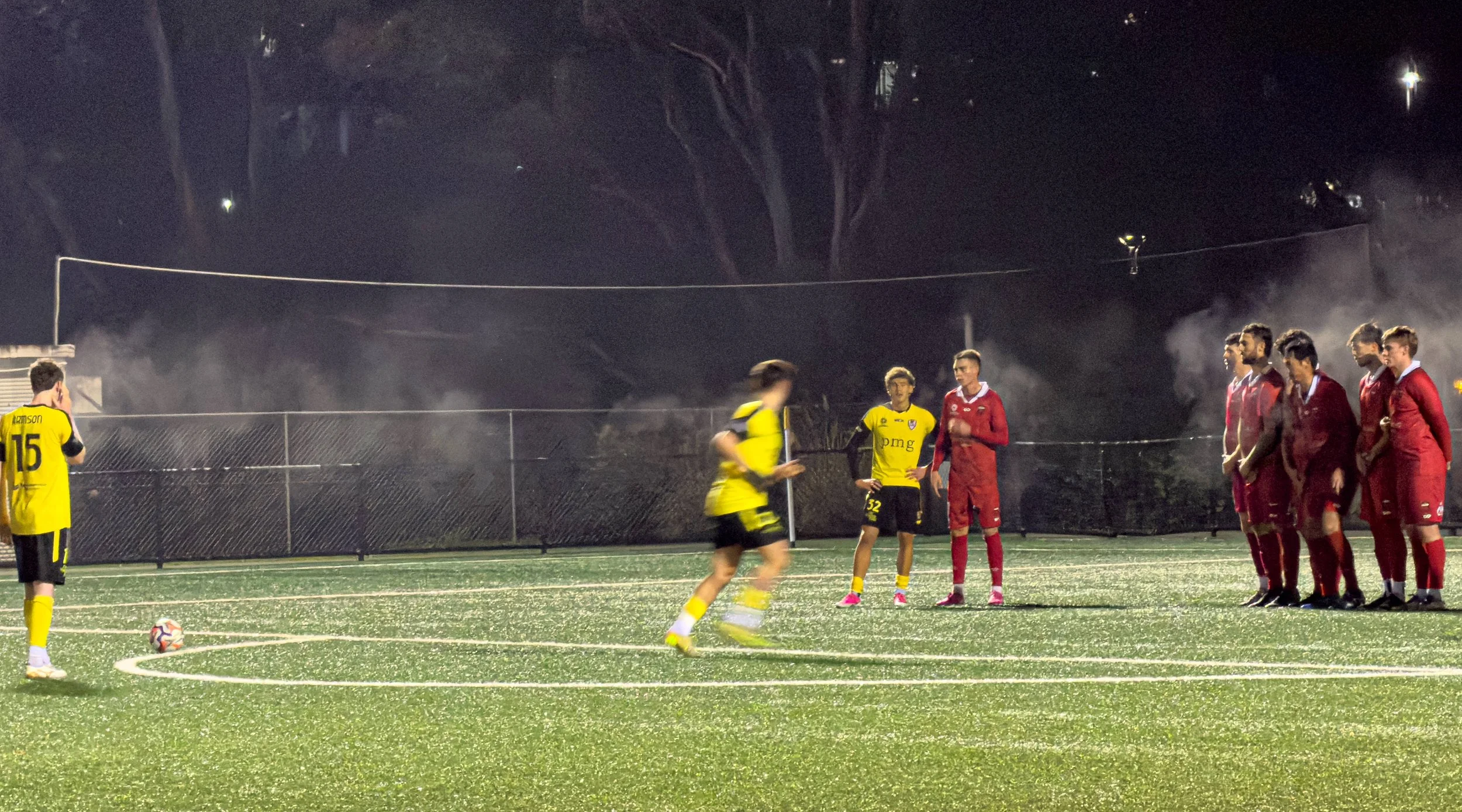
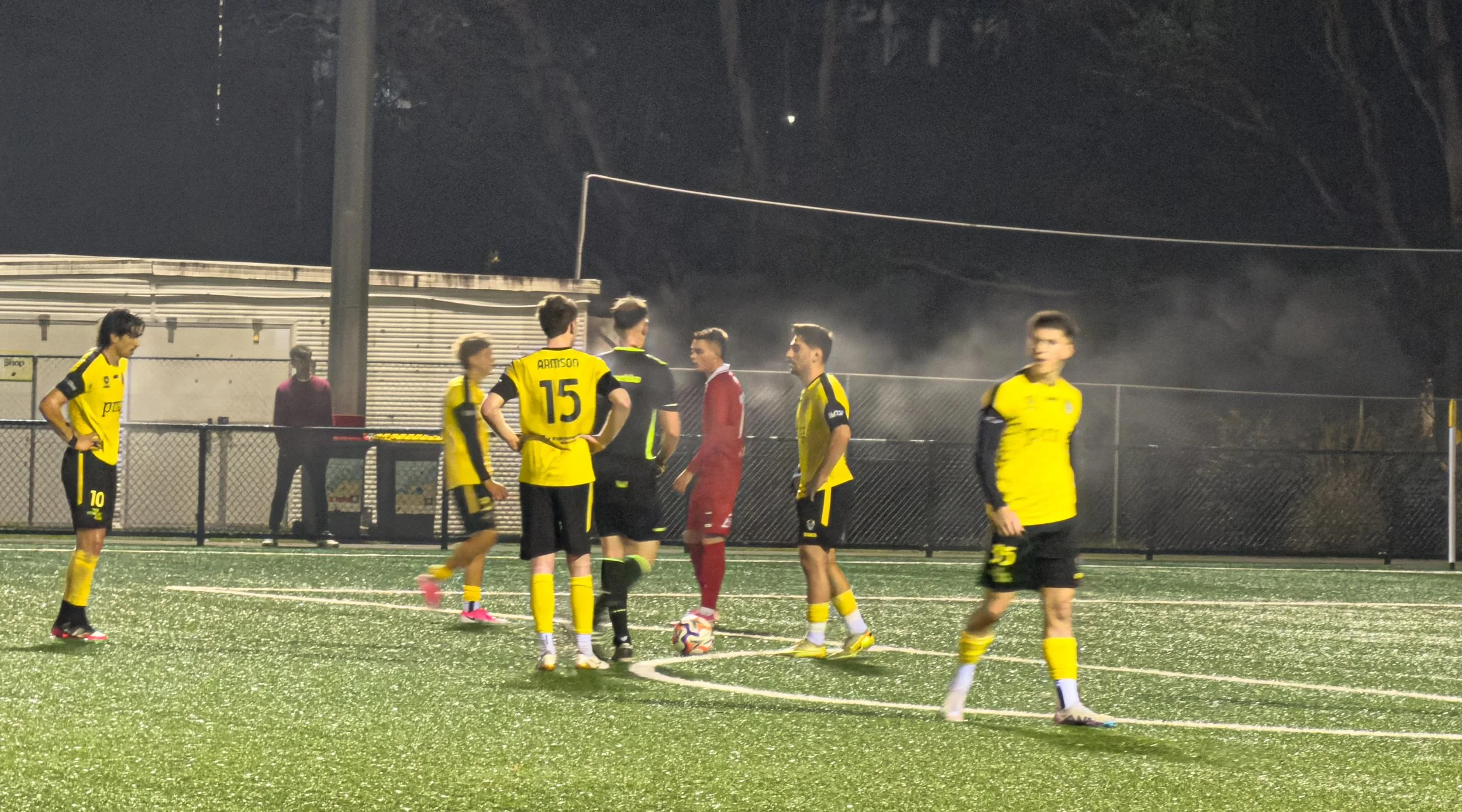
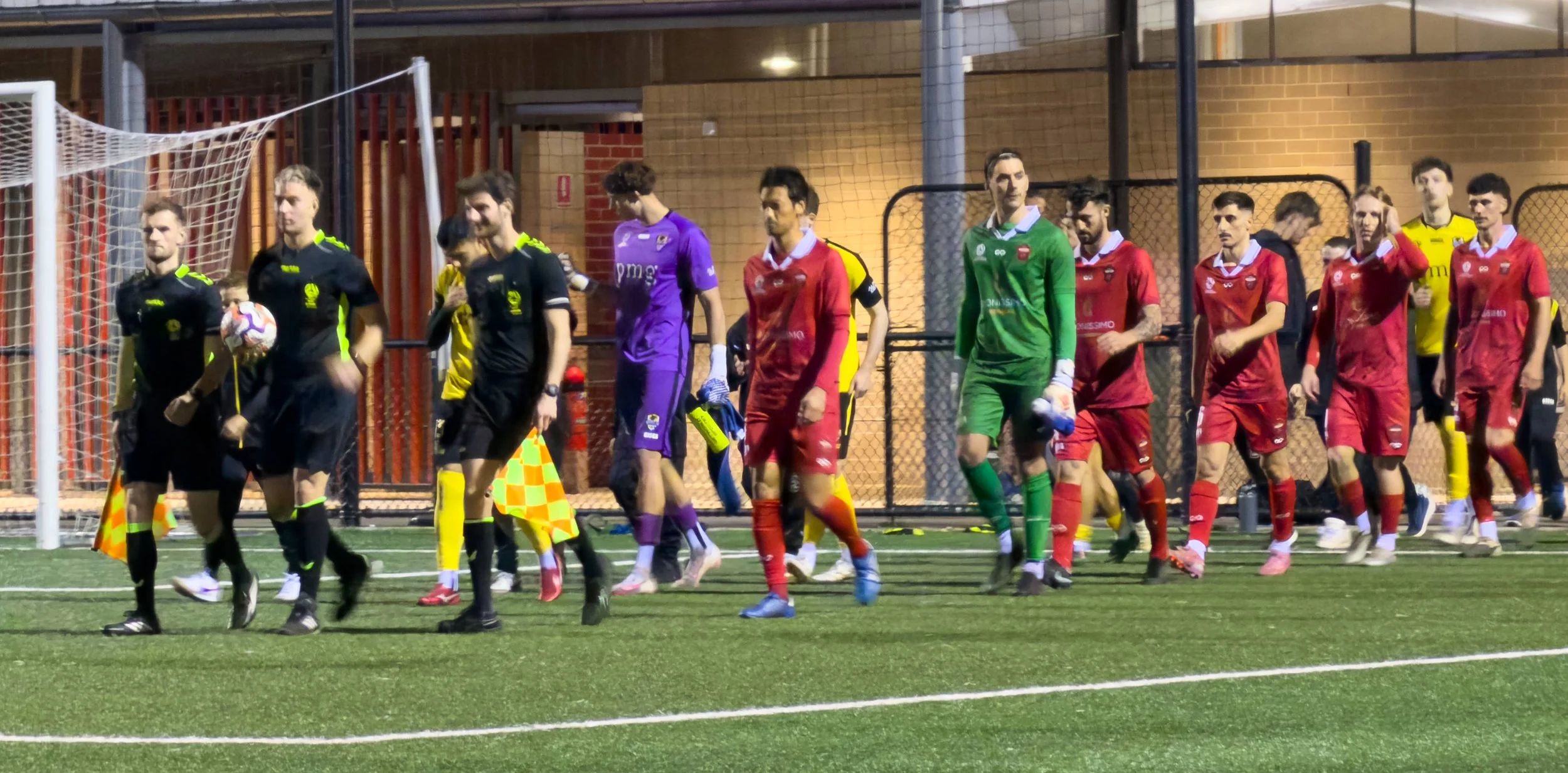
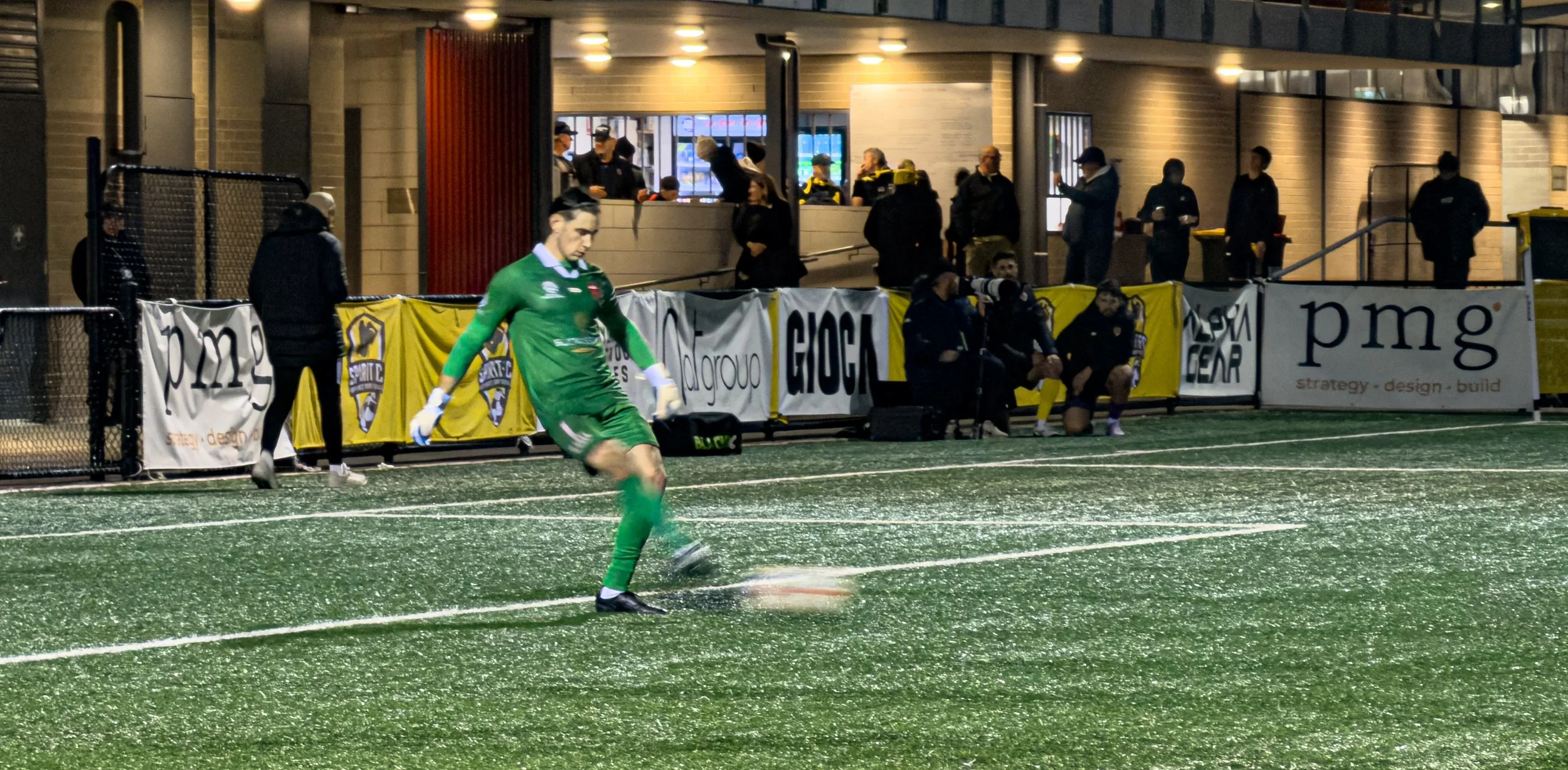
By late June, the Sydney sun doesn’t so much set as quietly disappear. I’d spent most of Saturday at Rosehill Gardens, but by the time I arrived at Christie Park in Macquarie Park for NWS Spirit FC’s clash with the Wollongong Wolves, daylight had gone. The floodlights had taken over, a cold southerly breeze was sweeping across the exposed hill, and my phone was already warning that rain was not far away.
It felt like a completely different sporting world.
That night, Brookvale Oval would draw thousands for the Sea Eagles’ clash with Melbourne: television cameras, a sold-out crowd and the usual NRL scale. At Christie Park, it felt like no more than 150 people dotted the small grandstand and fence line, most appearing to be family, friends and local club supporters. A handful had made the trip north from Wollongong, but this was unmistakably community football.
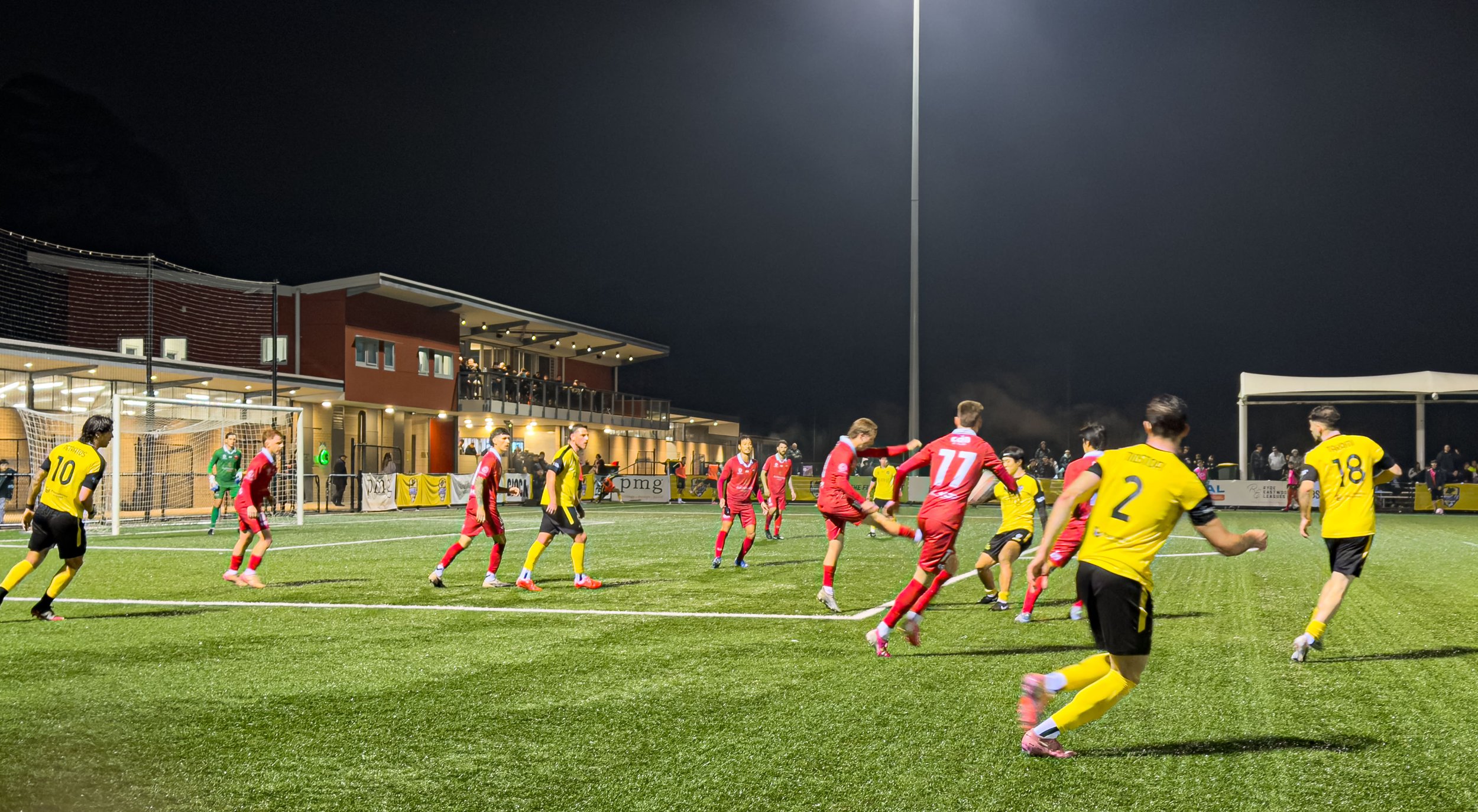
The ground itself is exactly what you would expect from a long-established suburban club. A modest clubhouse, aluminium seating under a simple roof and a surprisingly busy canteen, complete with a slushy machine somehow still doing good business in the middle of winter. It is not glamorous, but it does not pretend to be either.
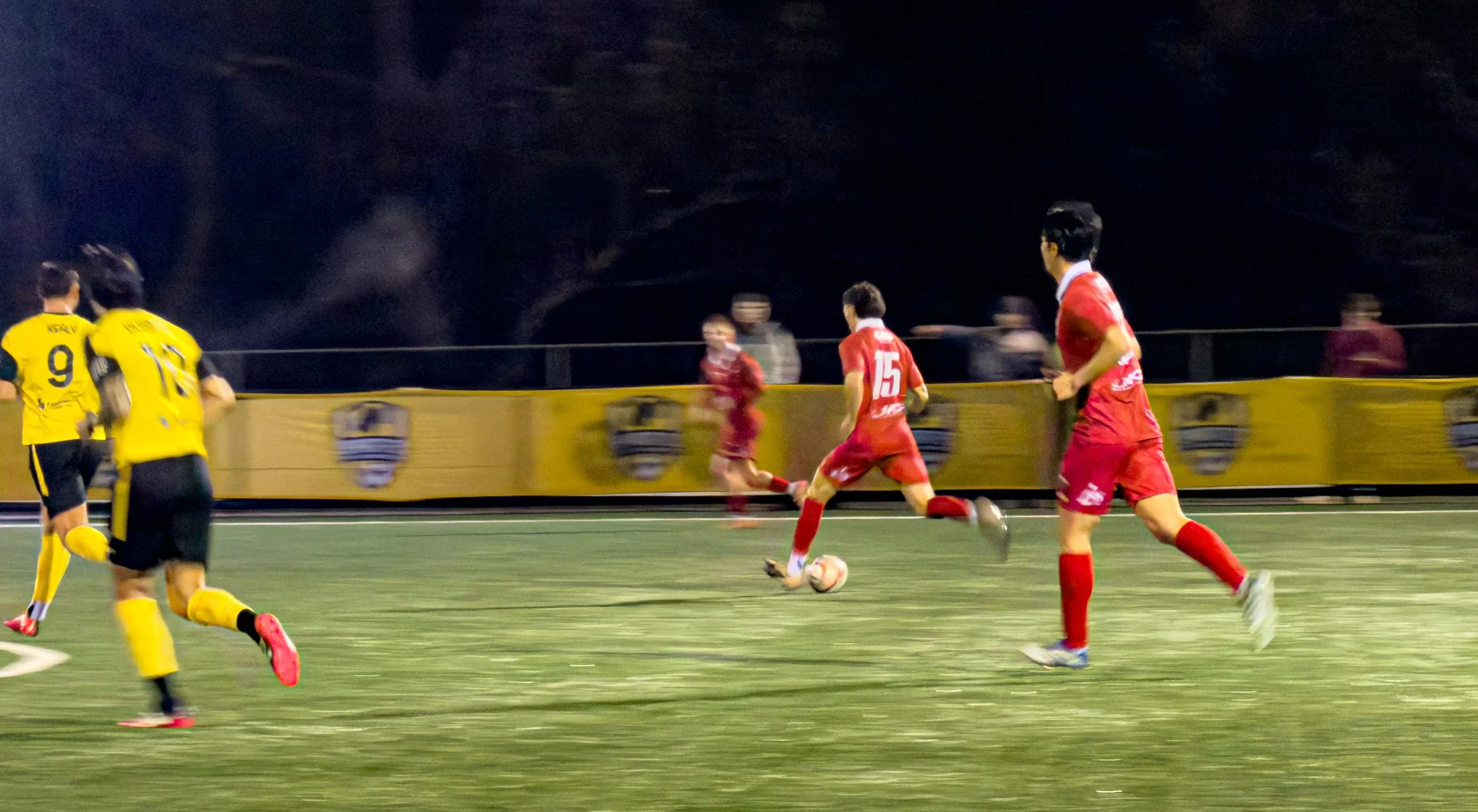
Spirit settled into the match quickly. They controlled possession through much of the opening fifteen minutes before finally breaking through with a scrappy goal after a goalmouth scramble.
Five minutes later came the second. A ball through the middle caused confusion in the Wolves defence, goalkeeper Daniel Solsky rushed out, and Shoki Yoshida got the decisive touch into the empty net. Suddenly it was 2–0.
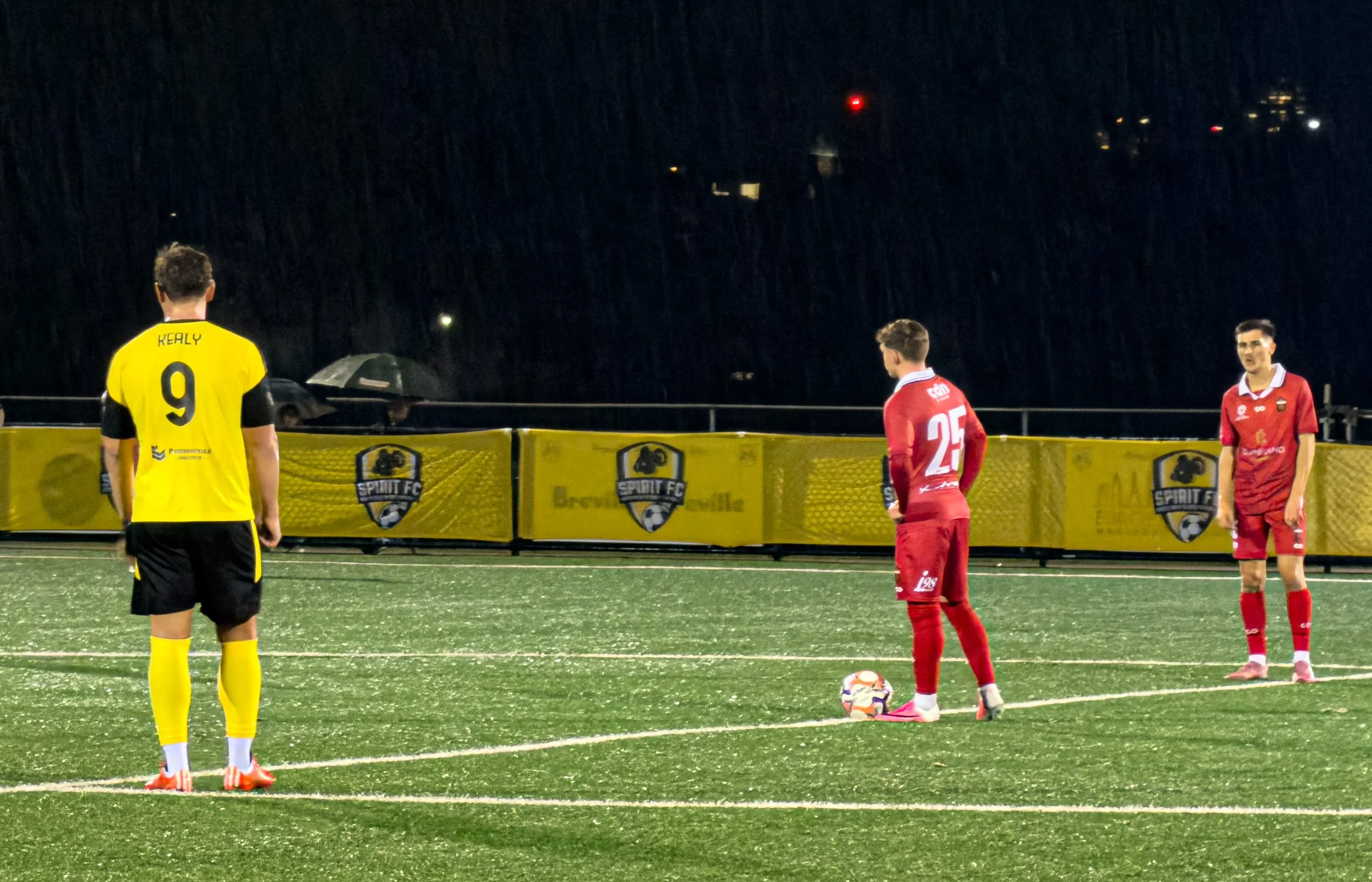
Not long afterwards, the rain arrived. It began as little more than drizzle before becoming steady enough that everyone under the roof shuffled a little closer together. Fortunately, the synthetic surface handled it comfortably and the football never really deteriorated.
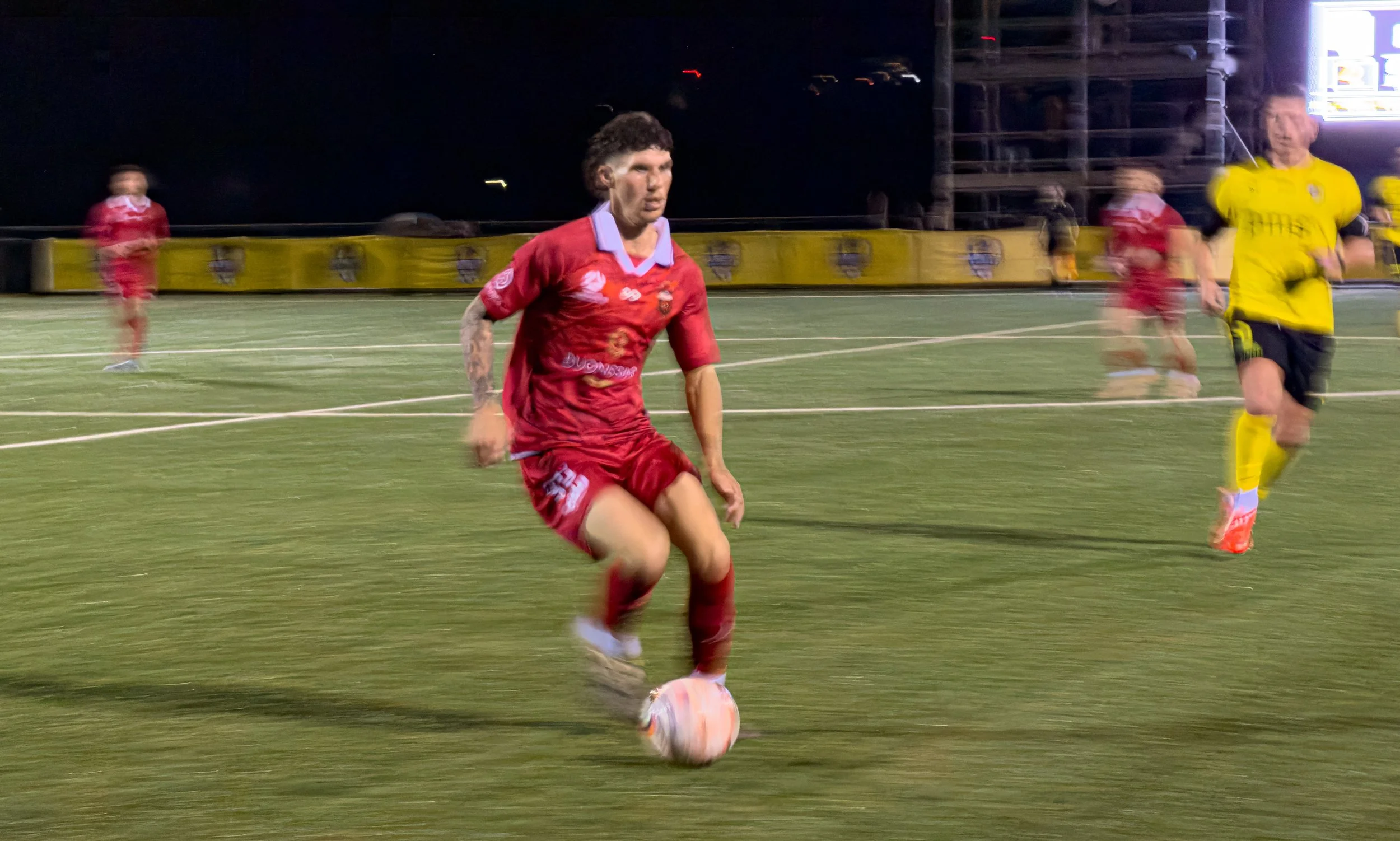
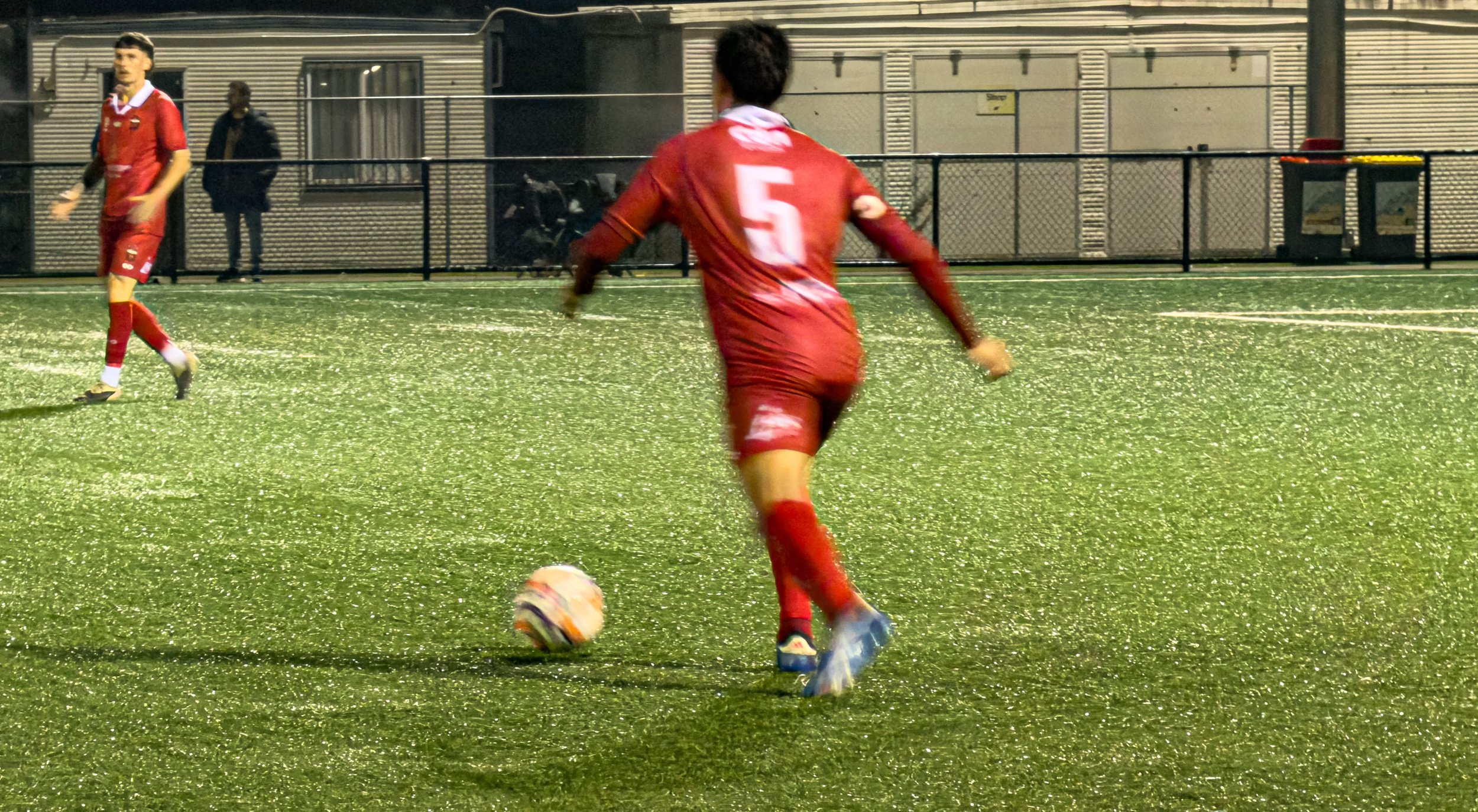
The game itself became a fascinating midfield battle. Spirit had more of the ball and looked more threatening, particularly through the first part of the second half, but time after time promising attacks broke down inside the final third. There were clever overlapping runs, excellent passing sequences and good movement off the ball, only for the final pass or finish to let them down.
Watching Spirit, I could see why the NPL remains such a compelling level. The fitness and technical quality were obvious. What felt different from the A-League was not effort, but repeatability: the ability to make the difficult decision and execute it cleanly, again and again, when the game speeds up.
There was plenty happening away from the pitch as well. I was sitting on the front row of the fence line, with the Spirit dugout to my left and a group of young boys to my right waiting to play at half-time. The Spirit coach was almost putting on a performance of his own, living every misplaced pass and missed opportunity.
The boys supplied the evening’s loudest support. Their chants were surprisingly coordinated until they were briefly distracted by canteen food, particularly the smell of hot chips, before immediately returning to giving the Wolves goalkeeper and defenders plenty of good-natured grief.
As the second half wore on, another thought kept returning. I have lived in Hornsby for twenty-eight years. Spirit is the local club. The history of football in this part of Sydney runs through clubs like this.
I am still not entirely sure where my football loyalties belong. Geography says Spirit. History says Manly. Perhaps the only answer is to keep watching both.
The Wolves produced a late surge without finding a goal, forcing Spirit to defend their lead rather than simply see out a comfortable evening. But the home side had done enough.
By full-time, Spirit had secured a deserved 2–0 victory and strengthened their finals hopes.
Standing up, though, my knee reminded me that sitting in the cold for ninety minutes is not quite as easy as it once was. The rain had not helped, and neither had a full day on my feet at Rosehill beforehand. To finish the evening, Sydney’s Metro shutdown meant replacement buses instead of a straightforward trip home.
It is a stark contrast. The professional leagues offer bigger crowds, better stadiums and far easier journeys. But at Christie Park, sitting in the rain beside kids who cared enough to chant at a goalkeeper they had never met, I found myself paying closer attention than I often do at the bigger games.