The Engine Room of Court Sports
The Engine Room of Court Sports: A Sunday at Netball Central
I had passed Netball Central at Sydney Olympic Park plenty of times without ever going inside. From the outside, it looks like a large practical building. Inside, it is something else entirely.
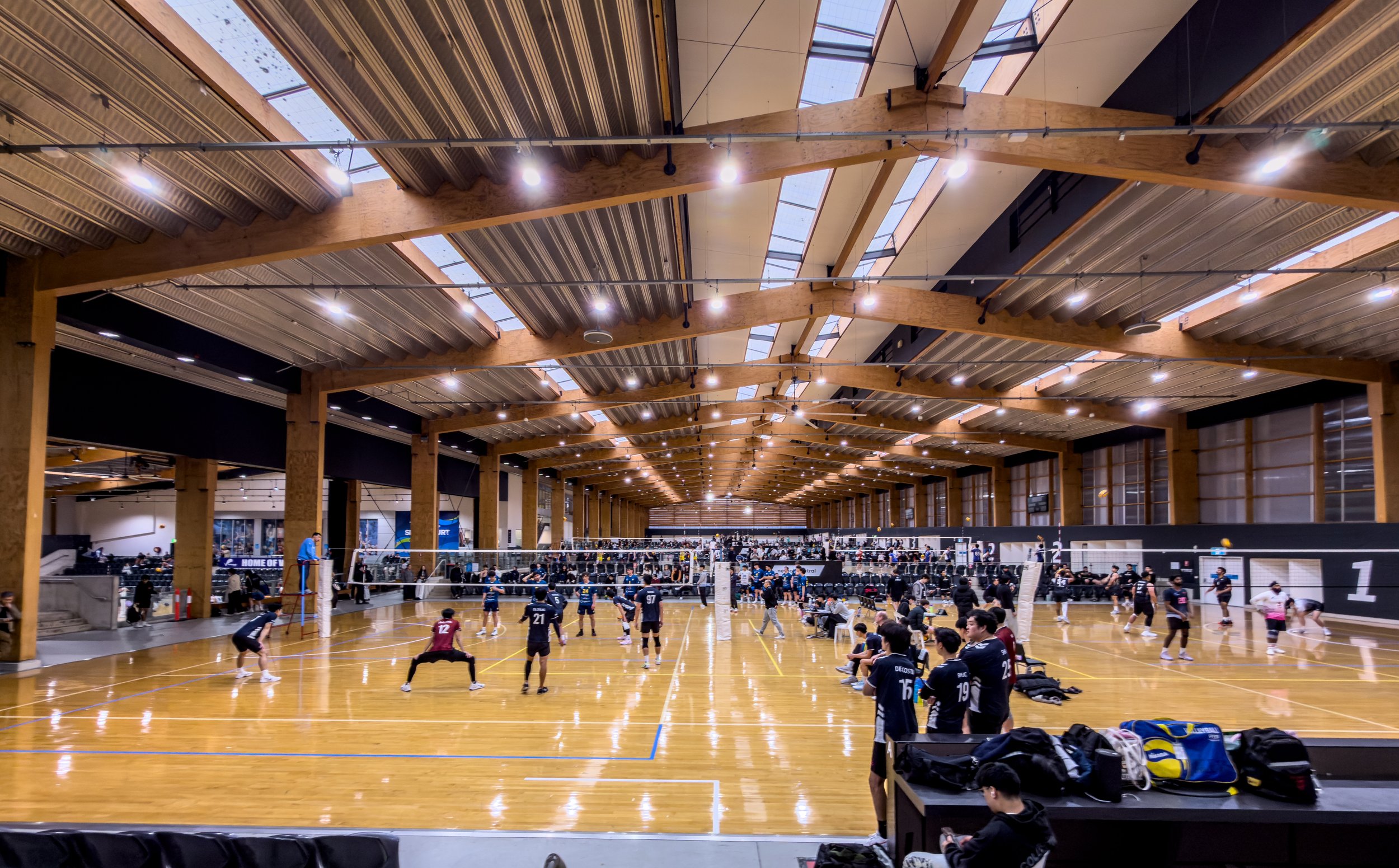
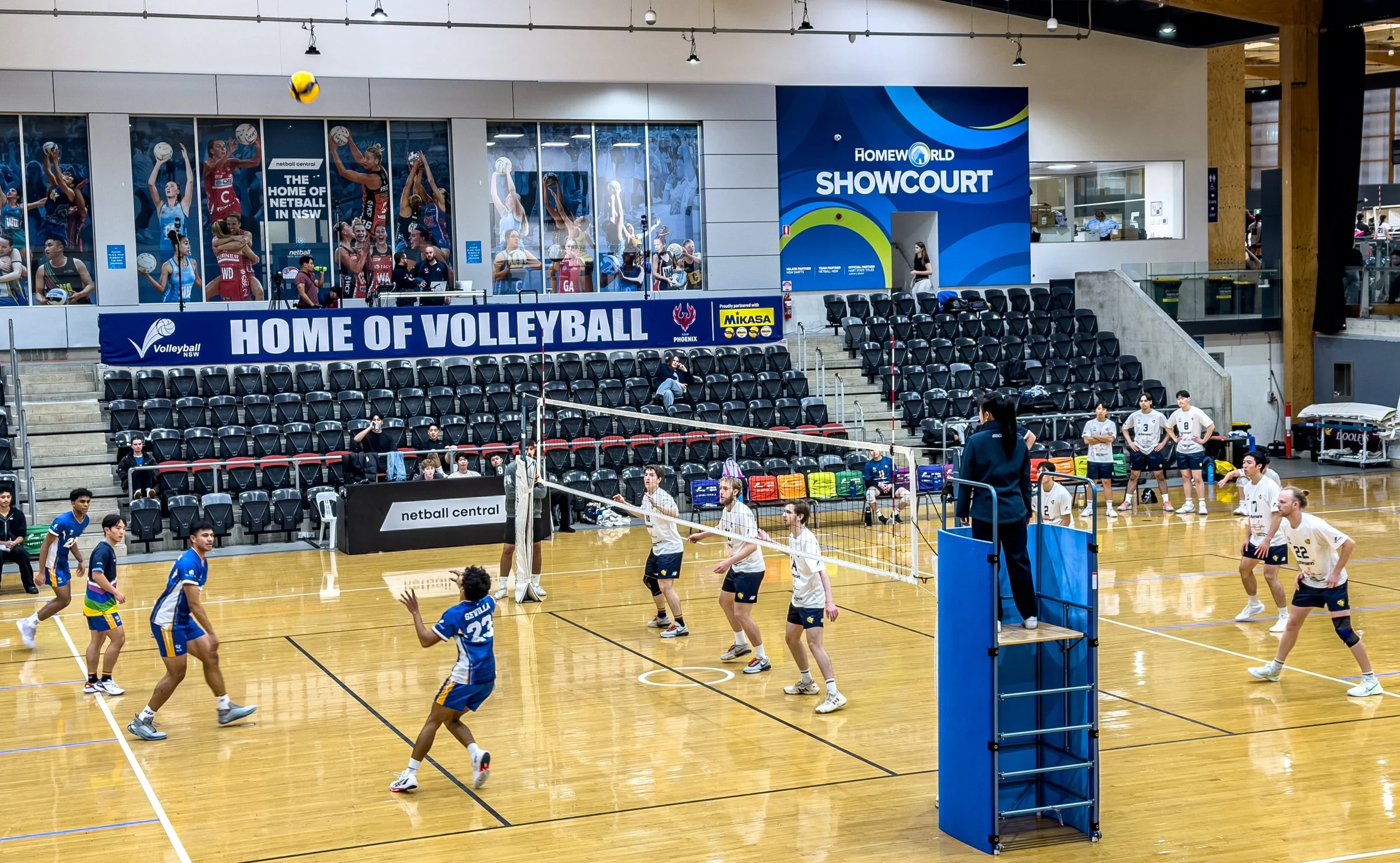
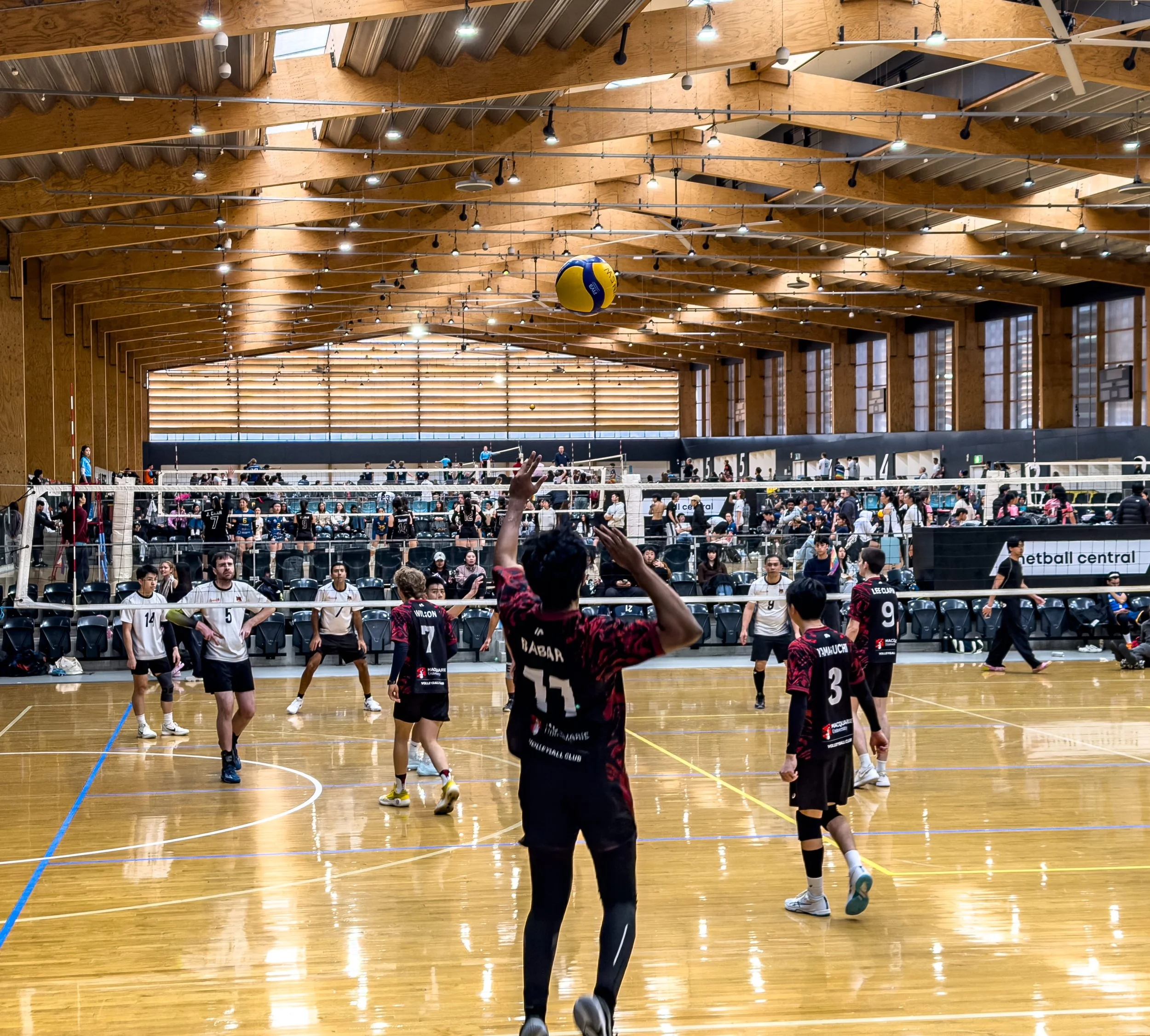
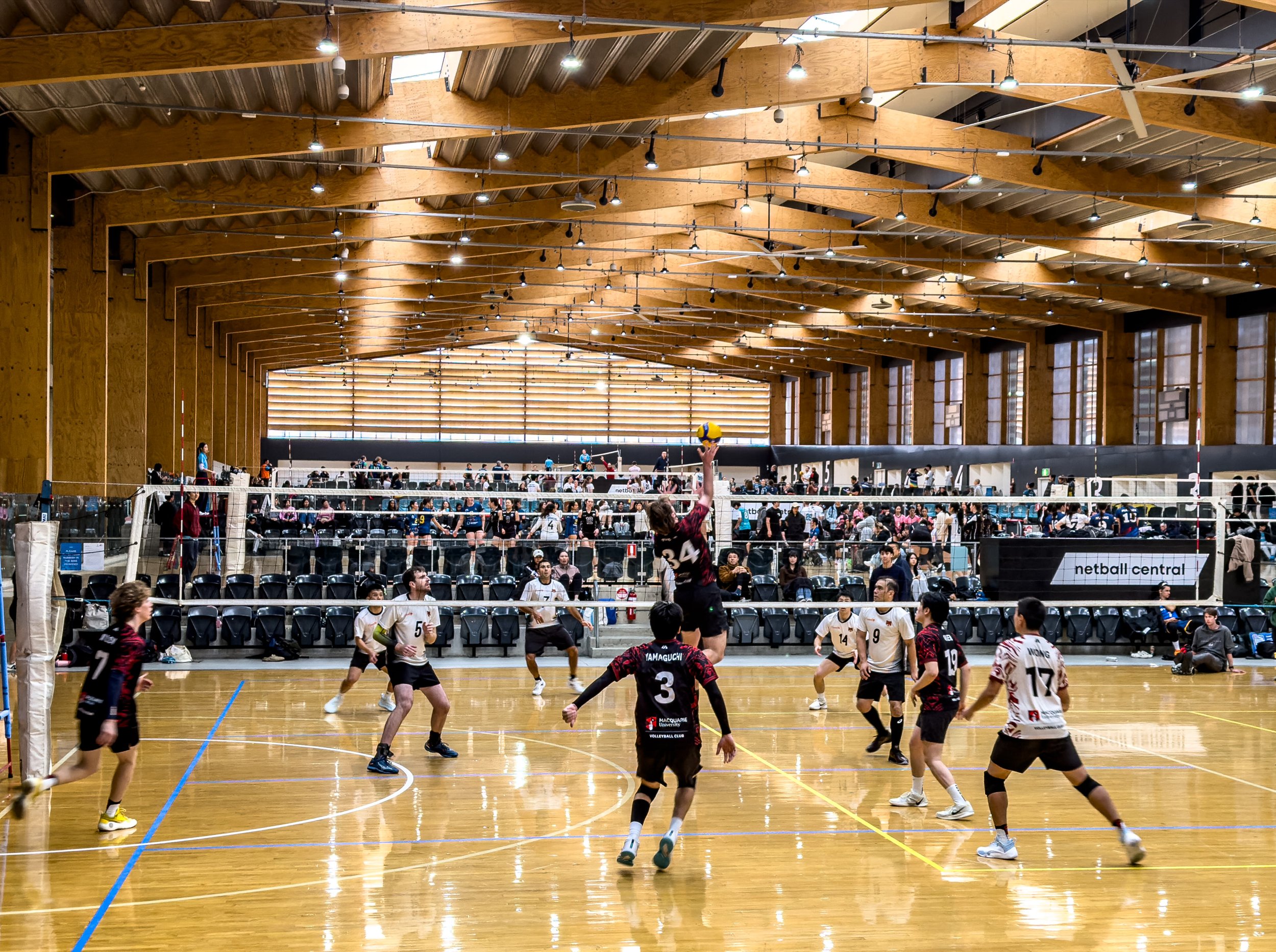
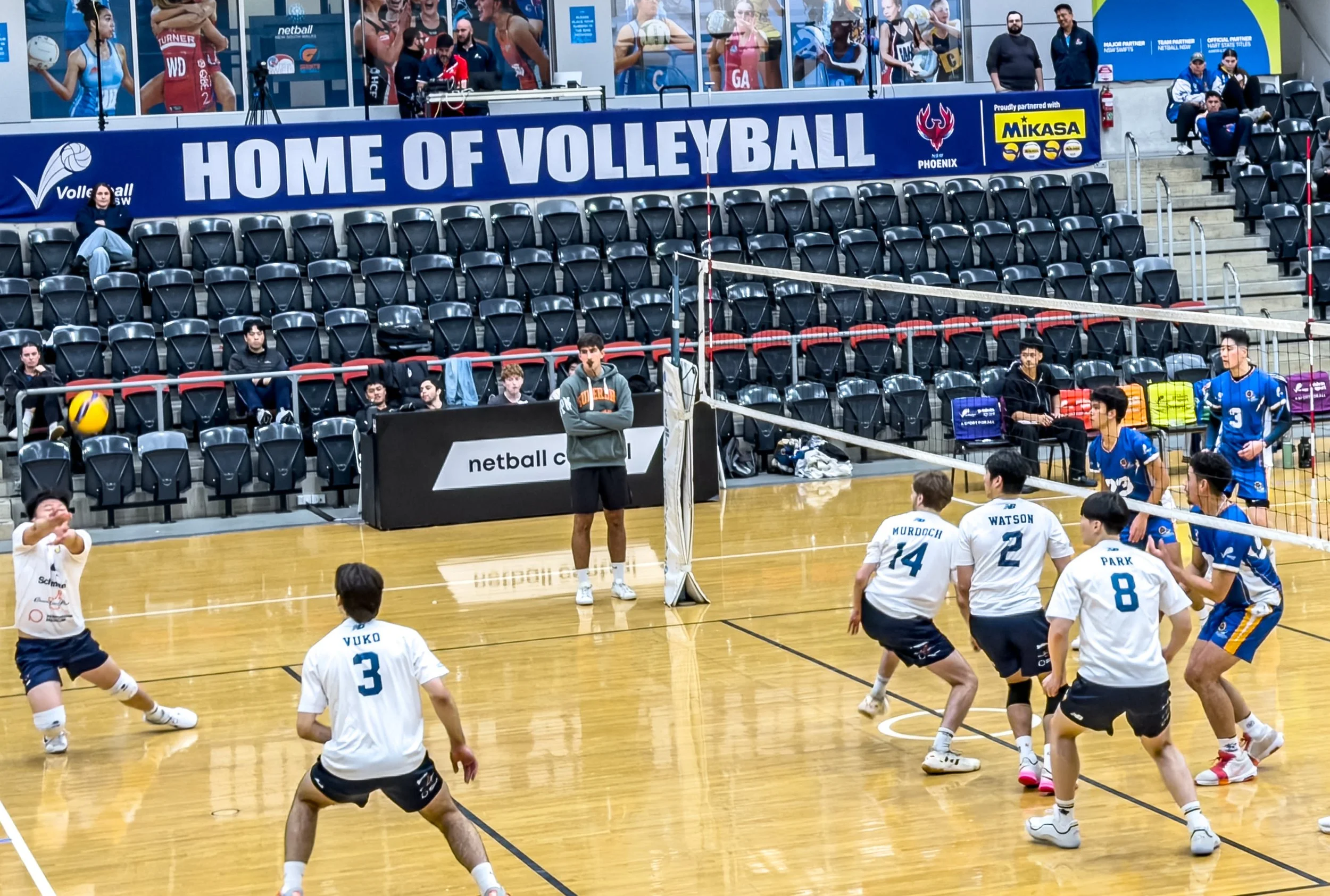
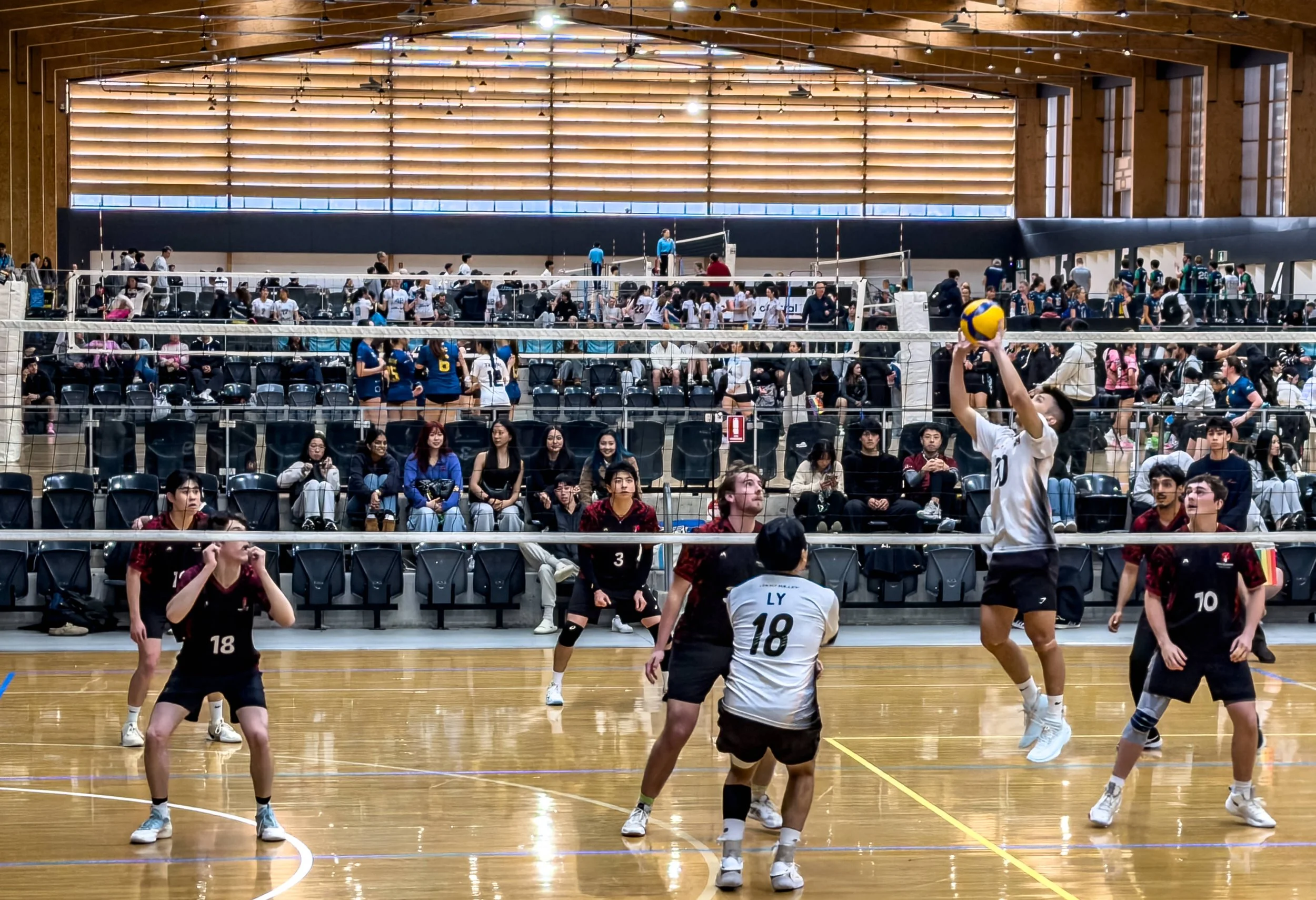
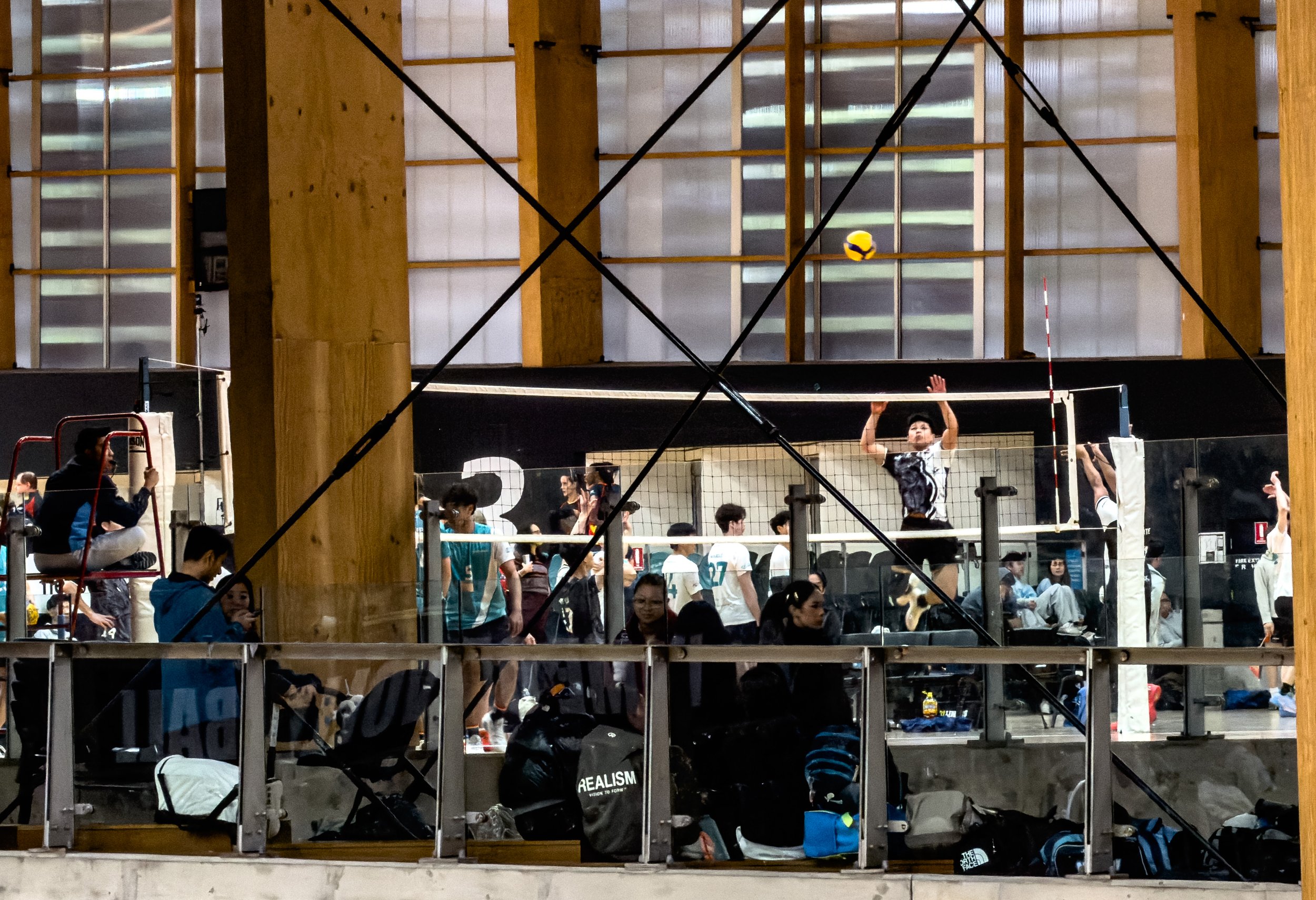
It is not a venue built around one grand occasion. It is a vast indoor hall built for repetition. Courts run side by side, whistles cut through the air from every direction, and games begin early in the morning before rolling on well into the evening. On a Sunday, it feels less like a venue hosting an event and more like a sporting machine simply switched on for the day.
The building was airy enough to feel cold. A slight breeze moved through the hall, and when the rain picked up outside, the temperature seemed to drop with it. It was one of those Sydney winter days where you had dressed for walking around Olympic Park, but not for sitting beside an indoor court for hours.
I was there for Premier League Volleyball, the highest level of club volleyball in New South Wales. The competition is built around ten licensed clubs, with men’s and women’s Premier divisions alongside Reserve and Under-19 competitions. It sits separately from the Sydney Volleyball League, rather than operating as a promotion-and-relegation extension of it.
The volleyball itself was far more compelling live than it is on television watching the Olympics.
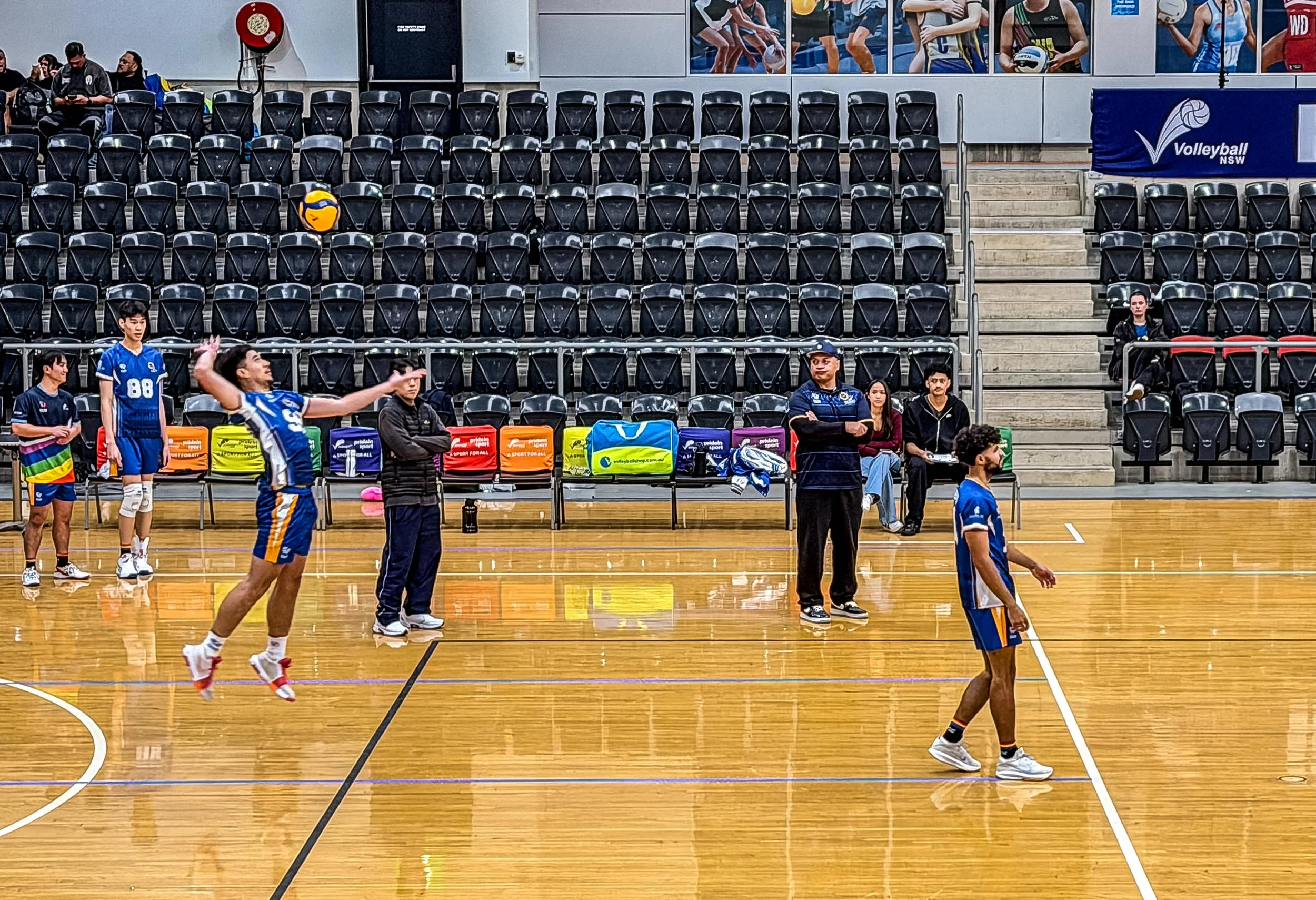
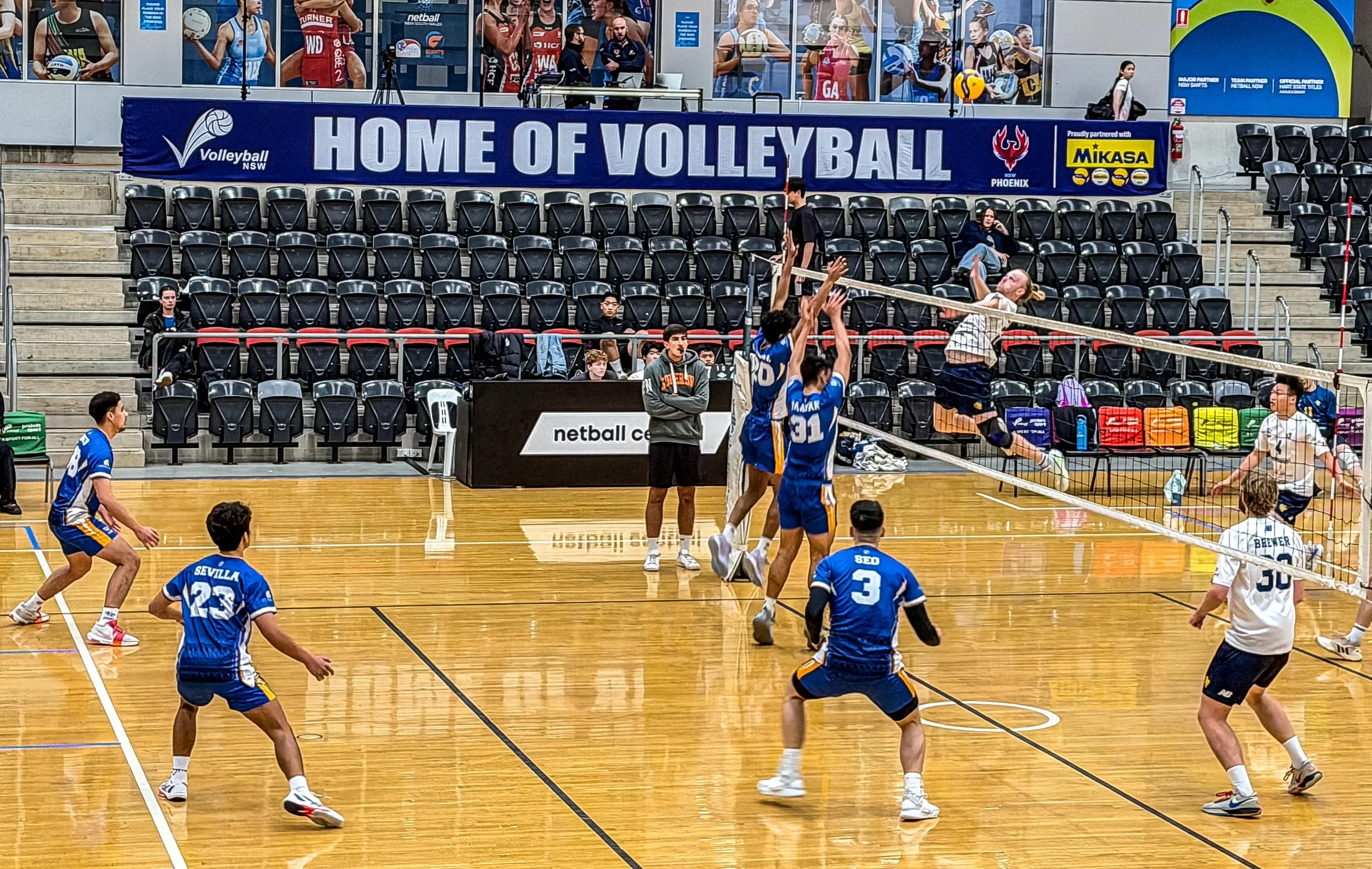
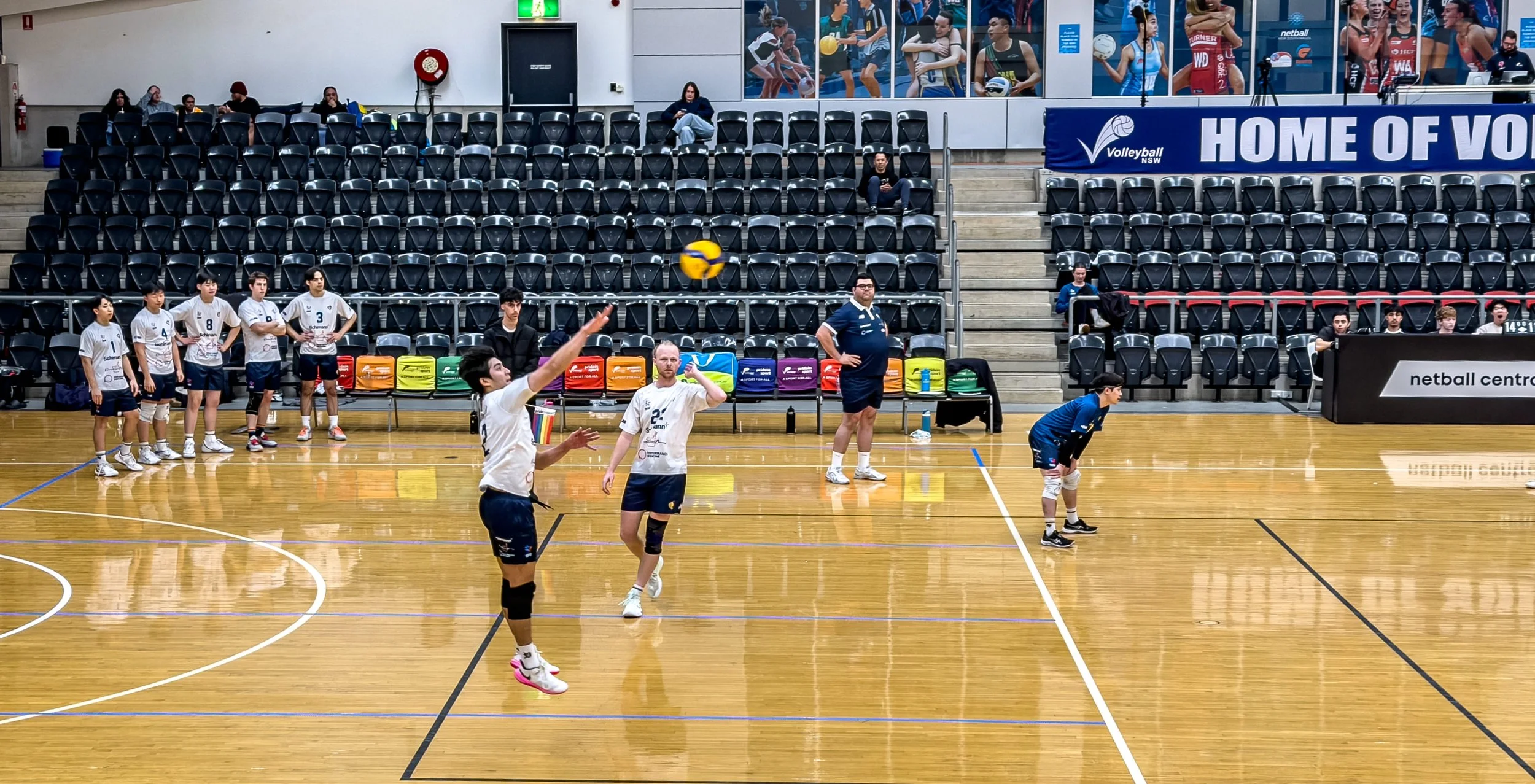
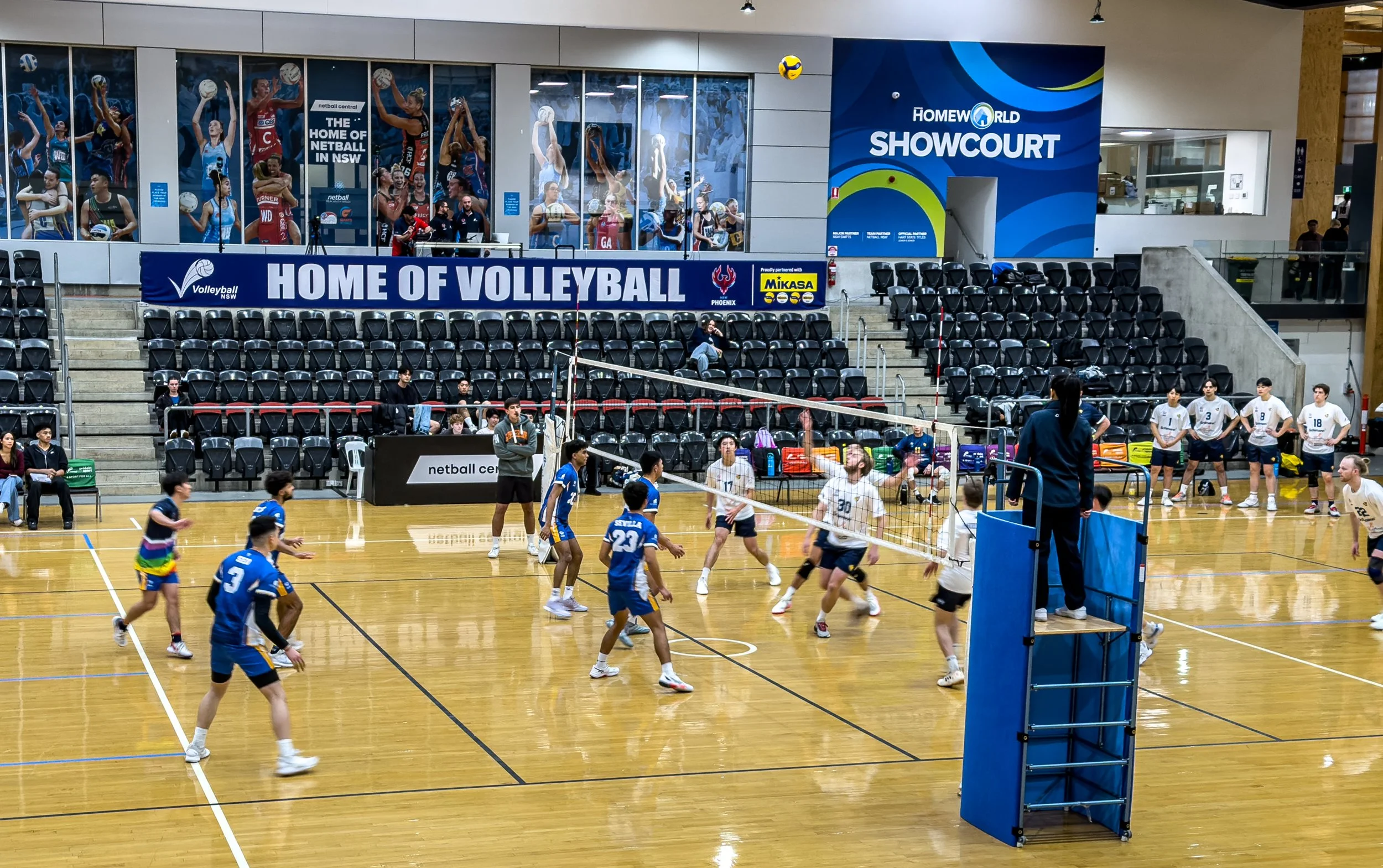
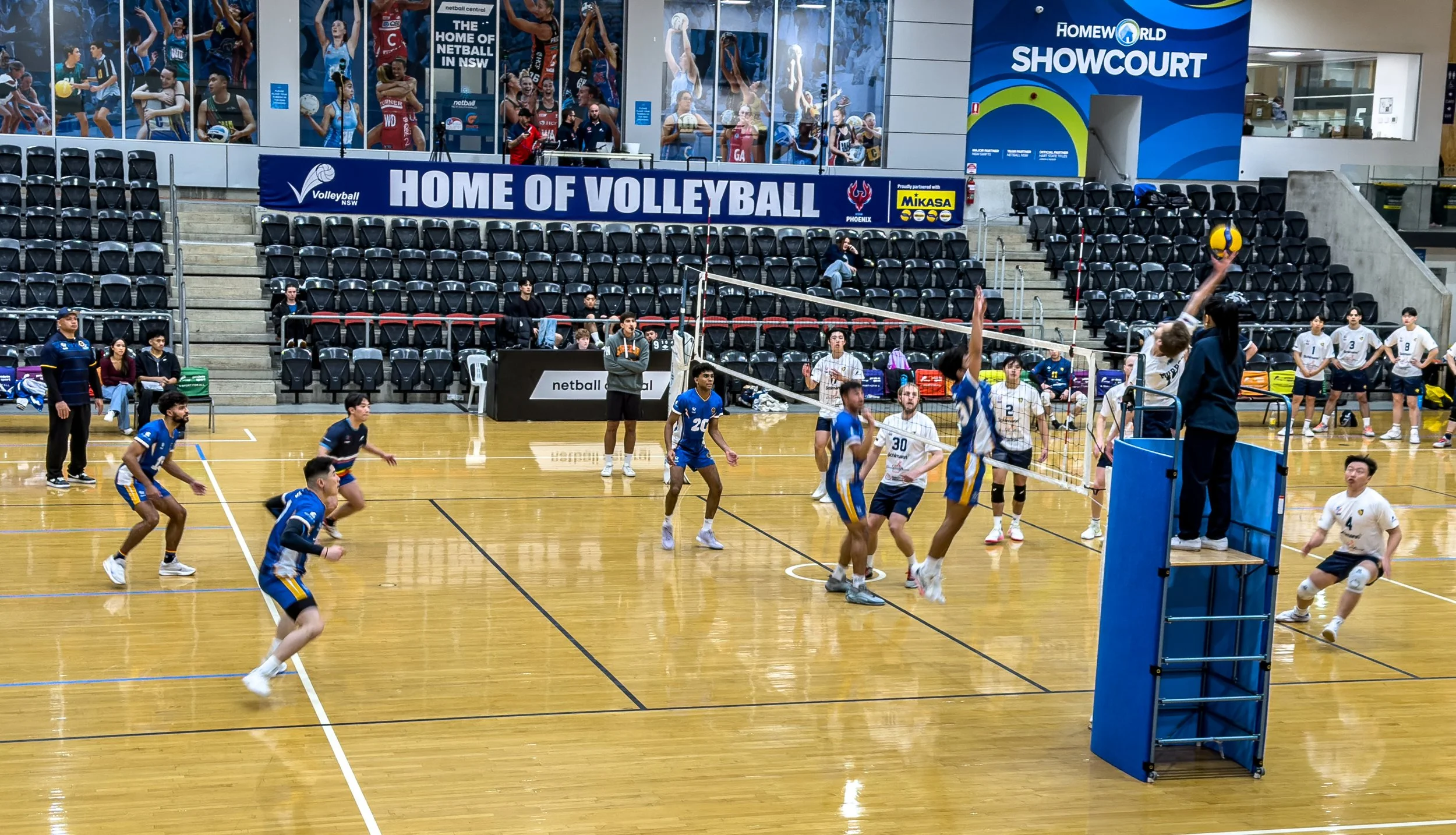
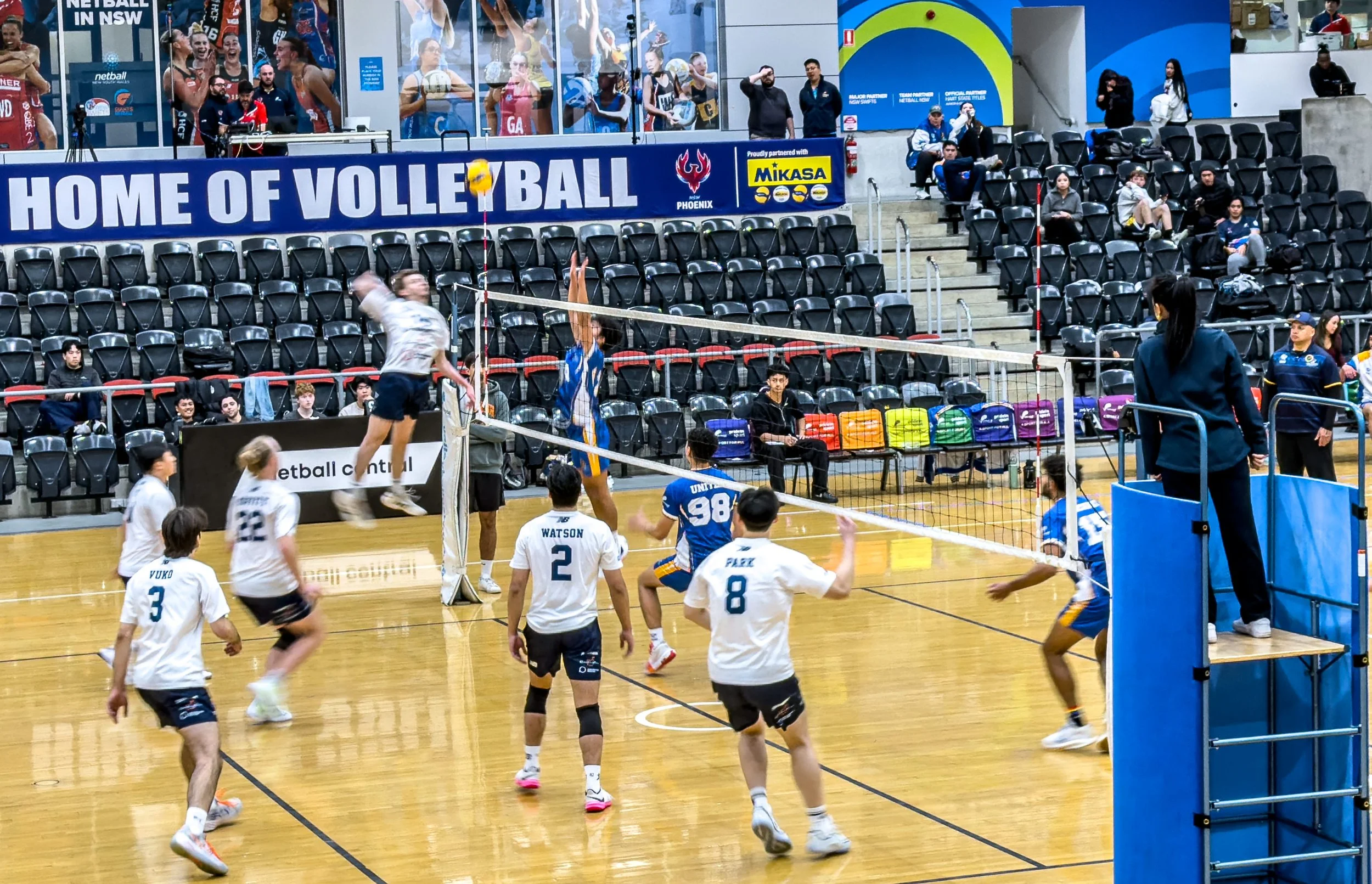
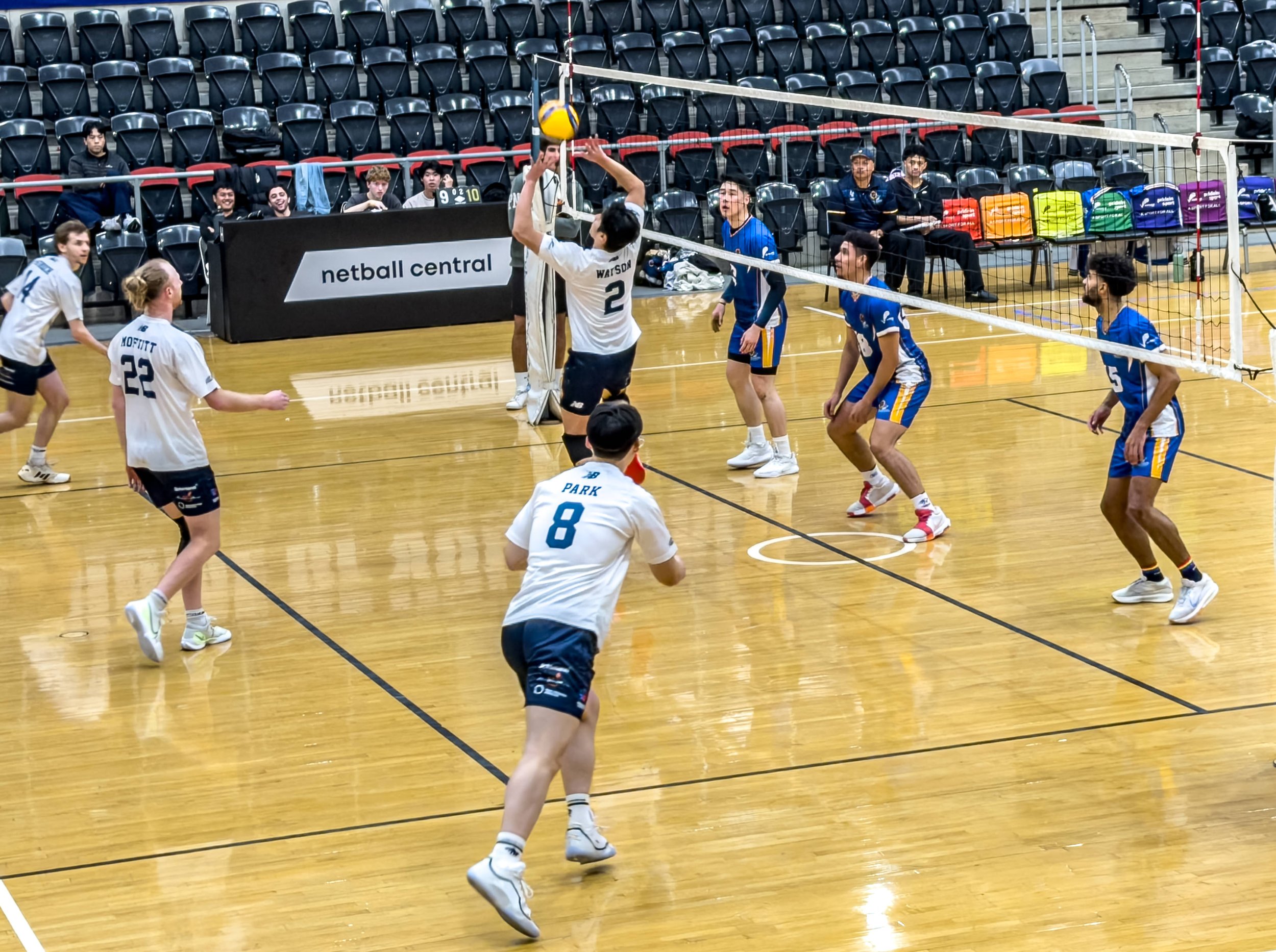
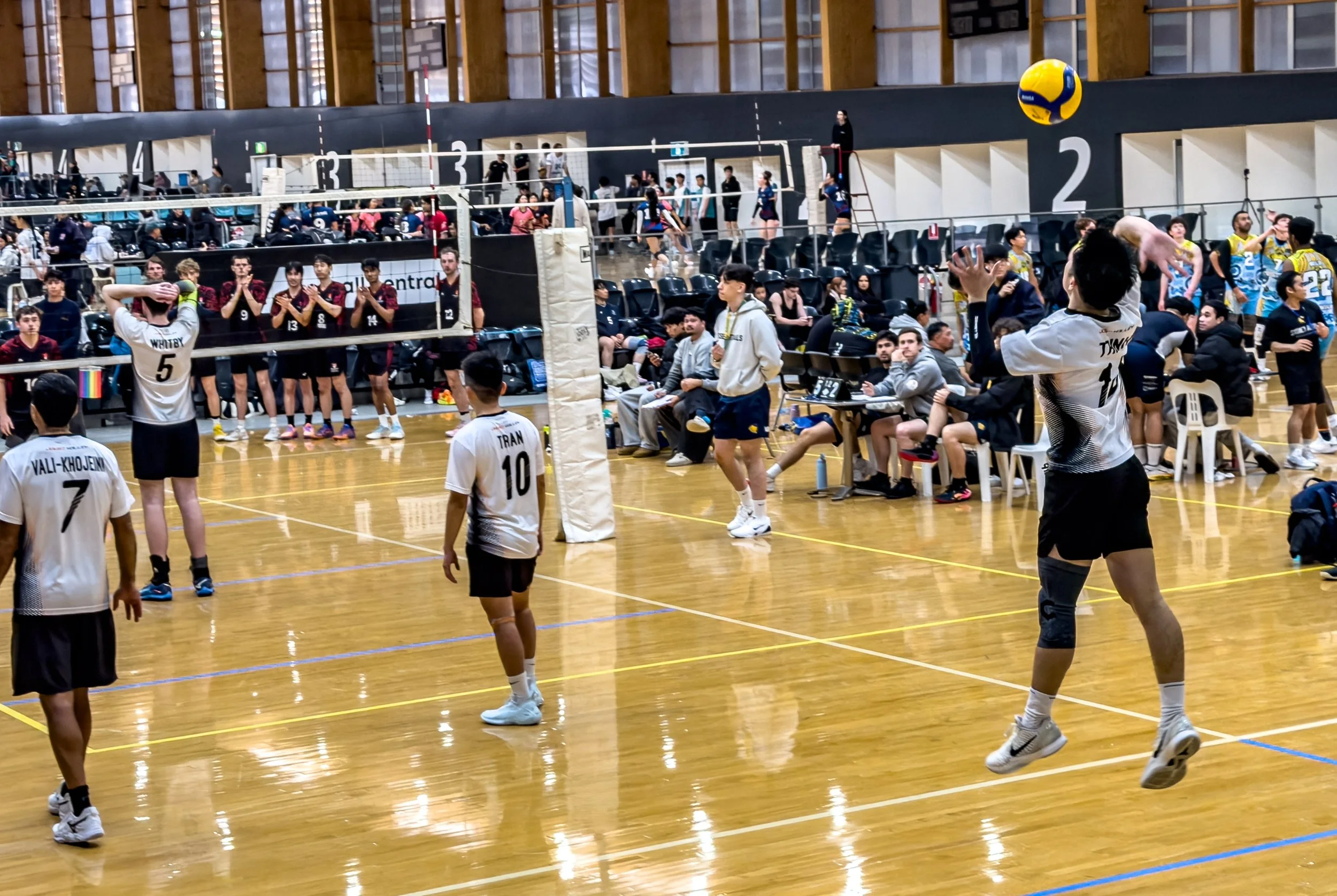
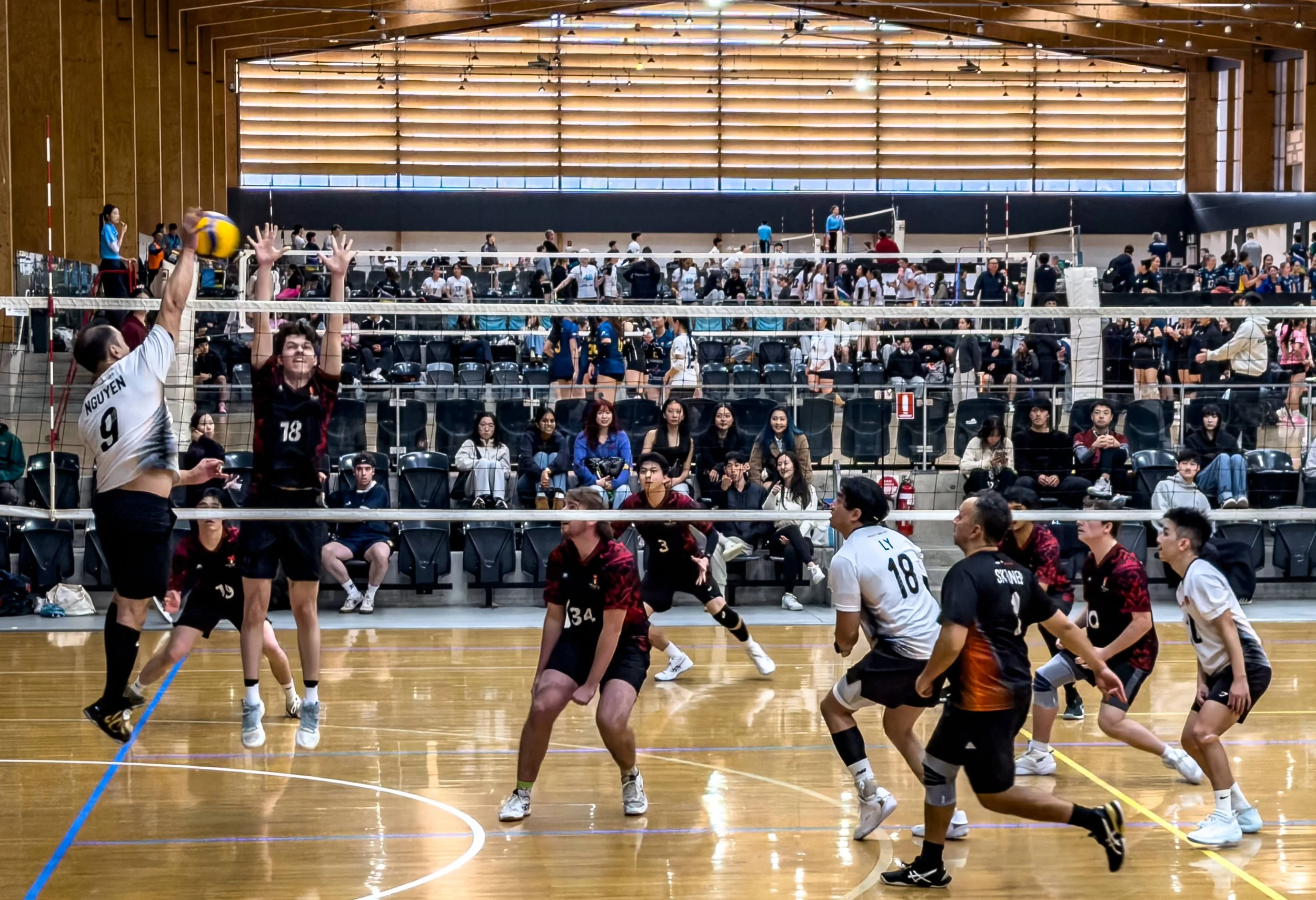
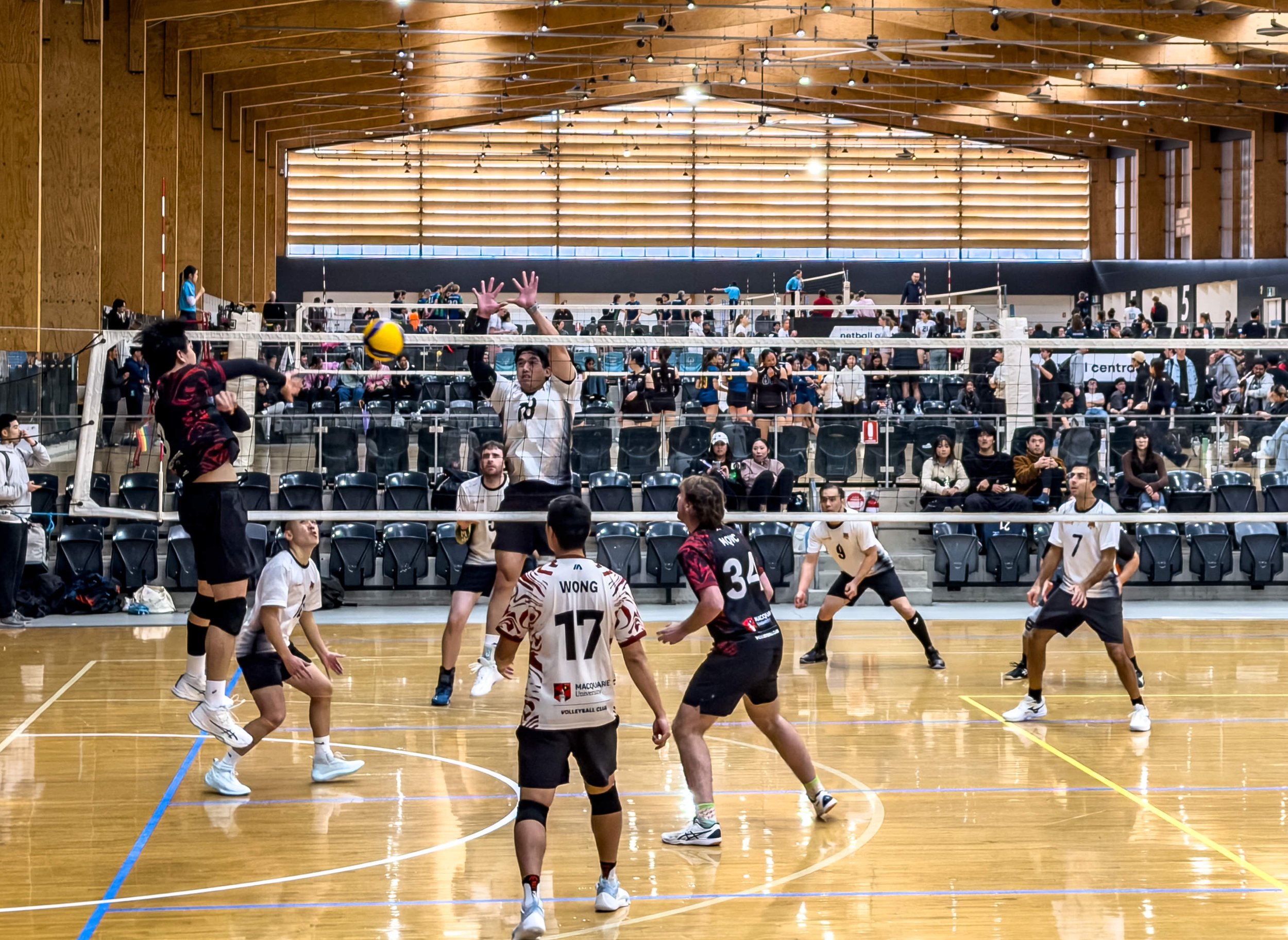
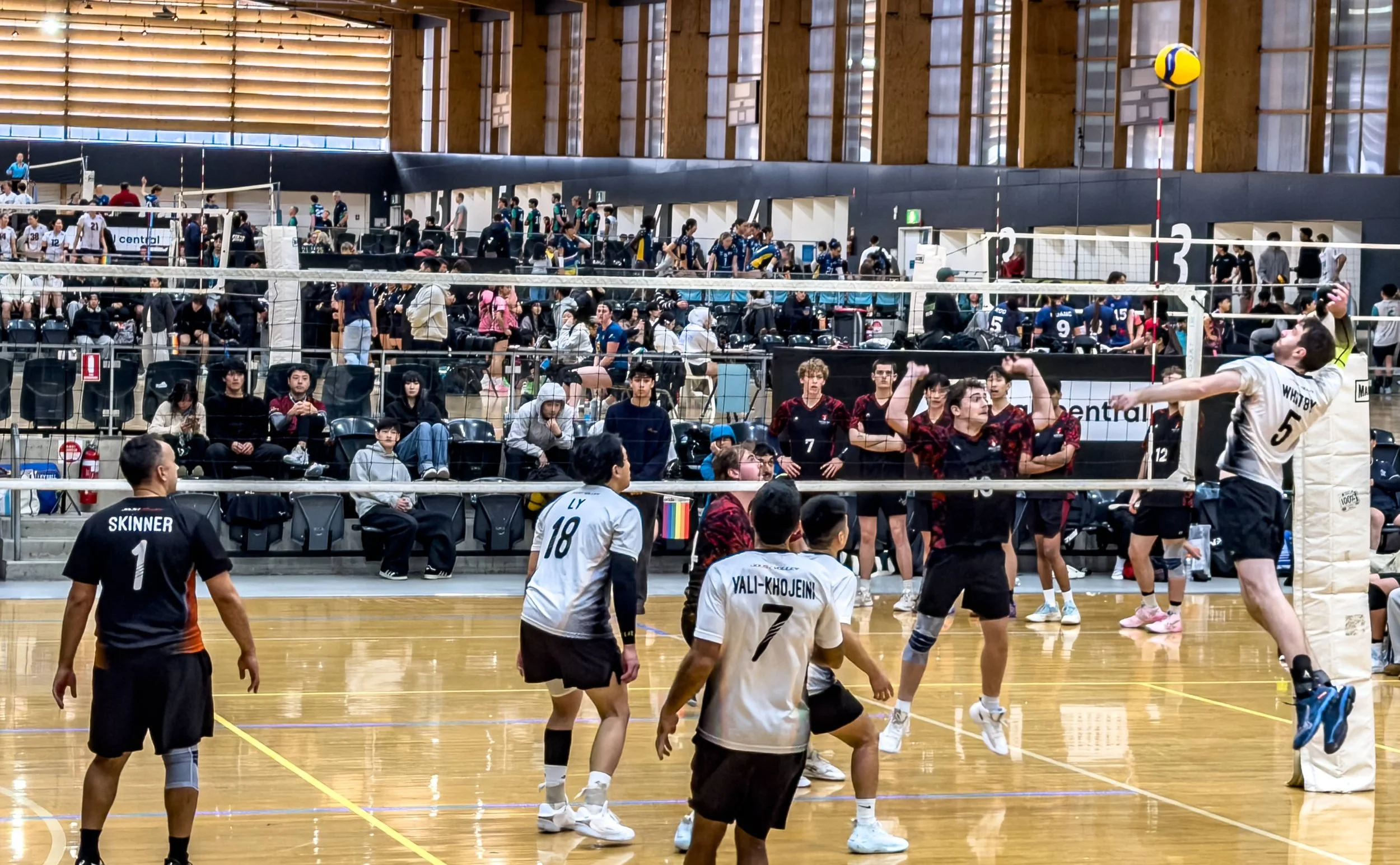
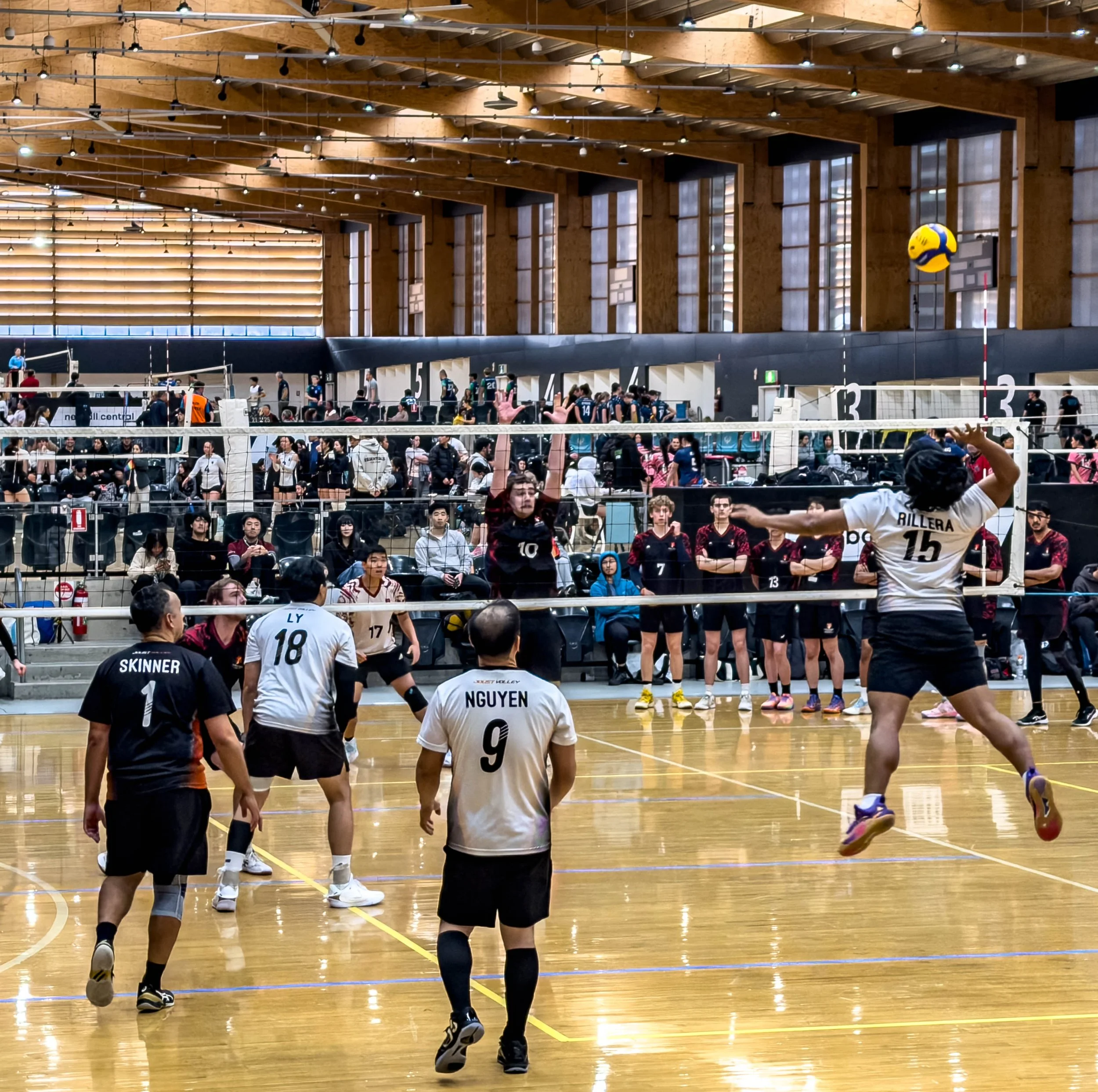
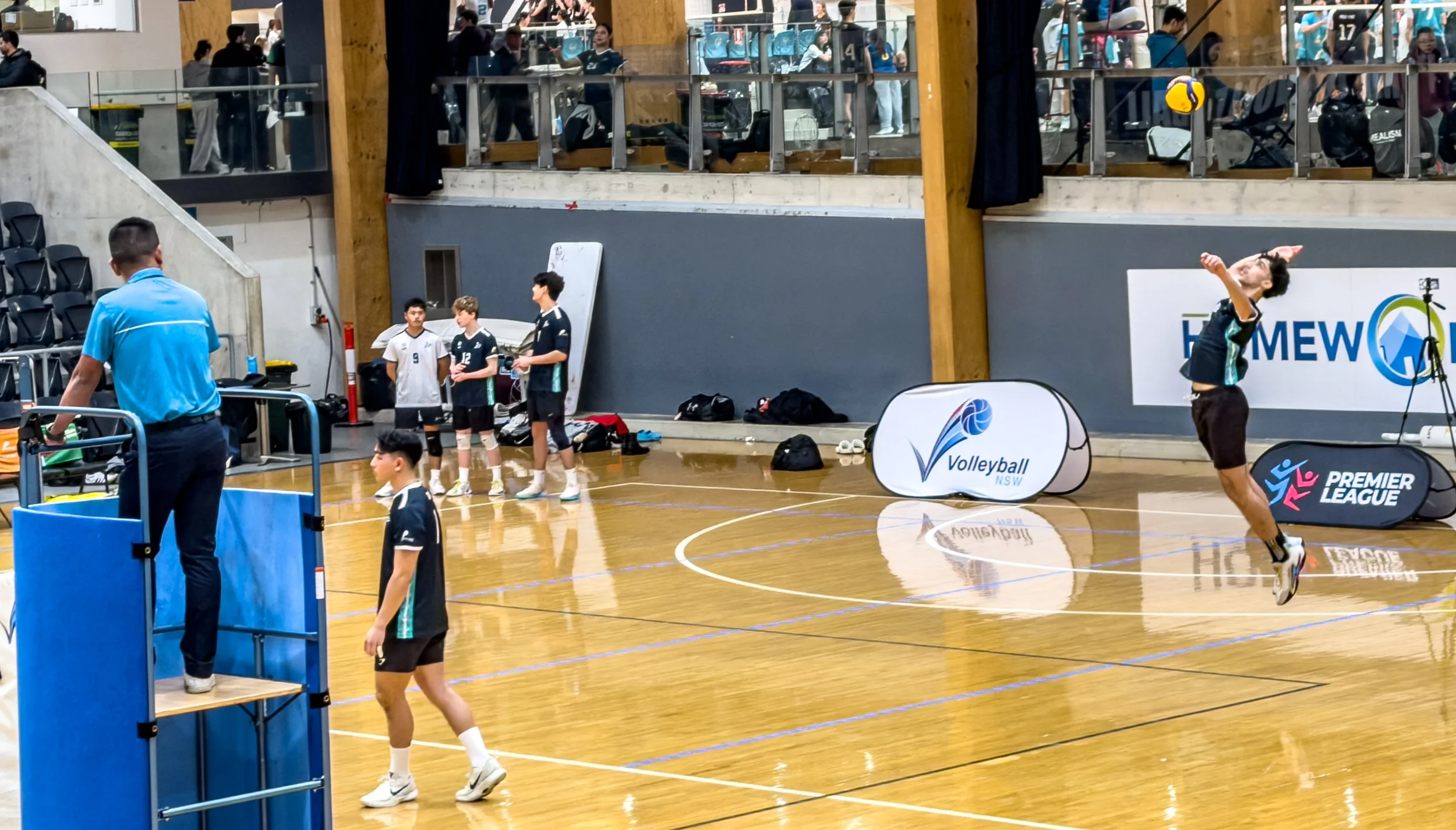
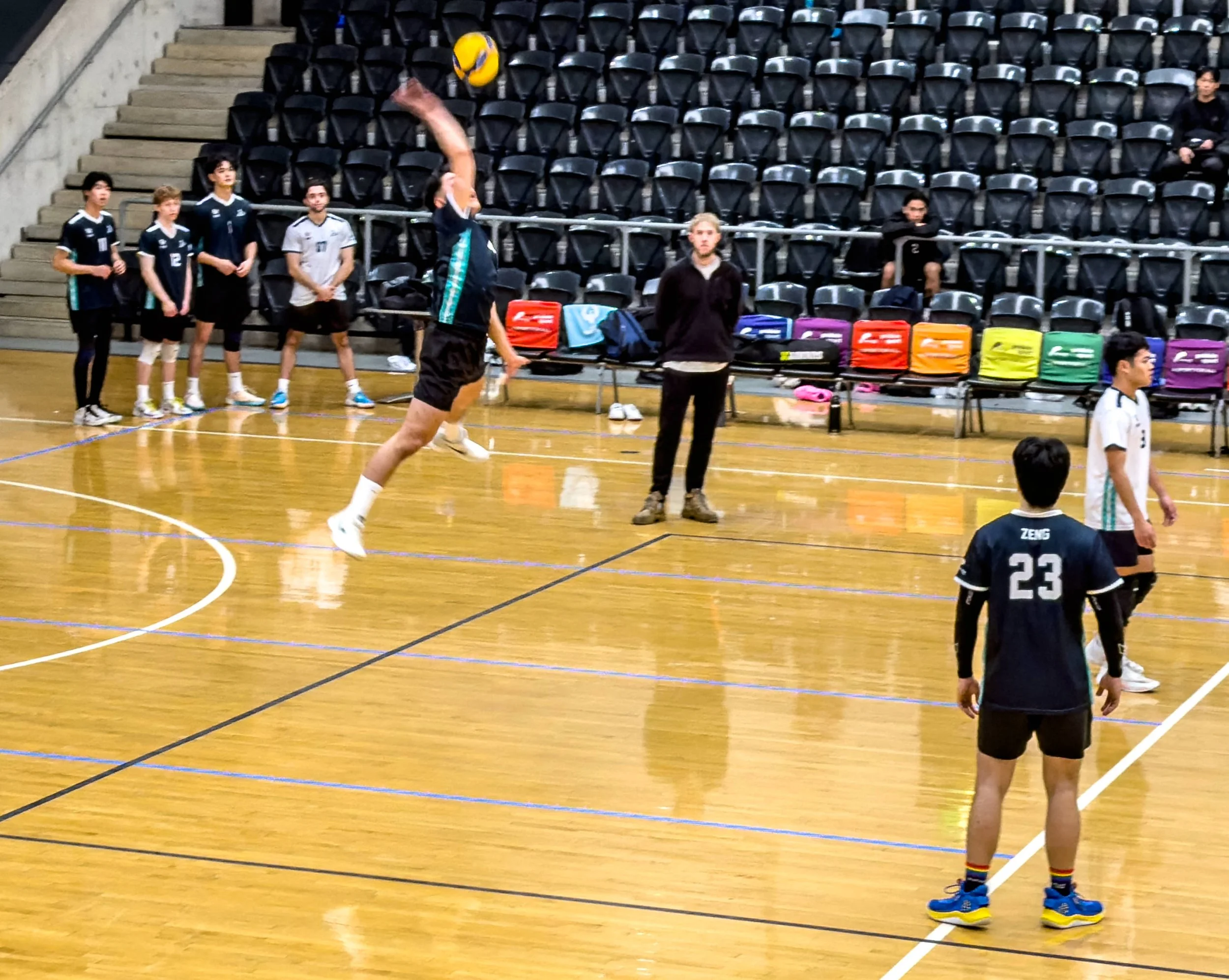
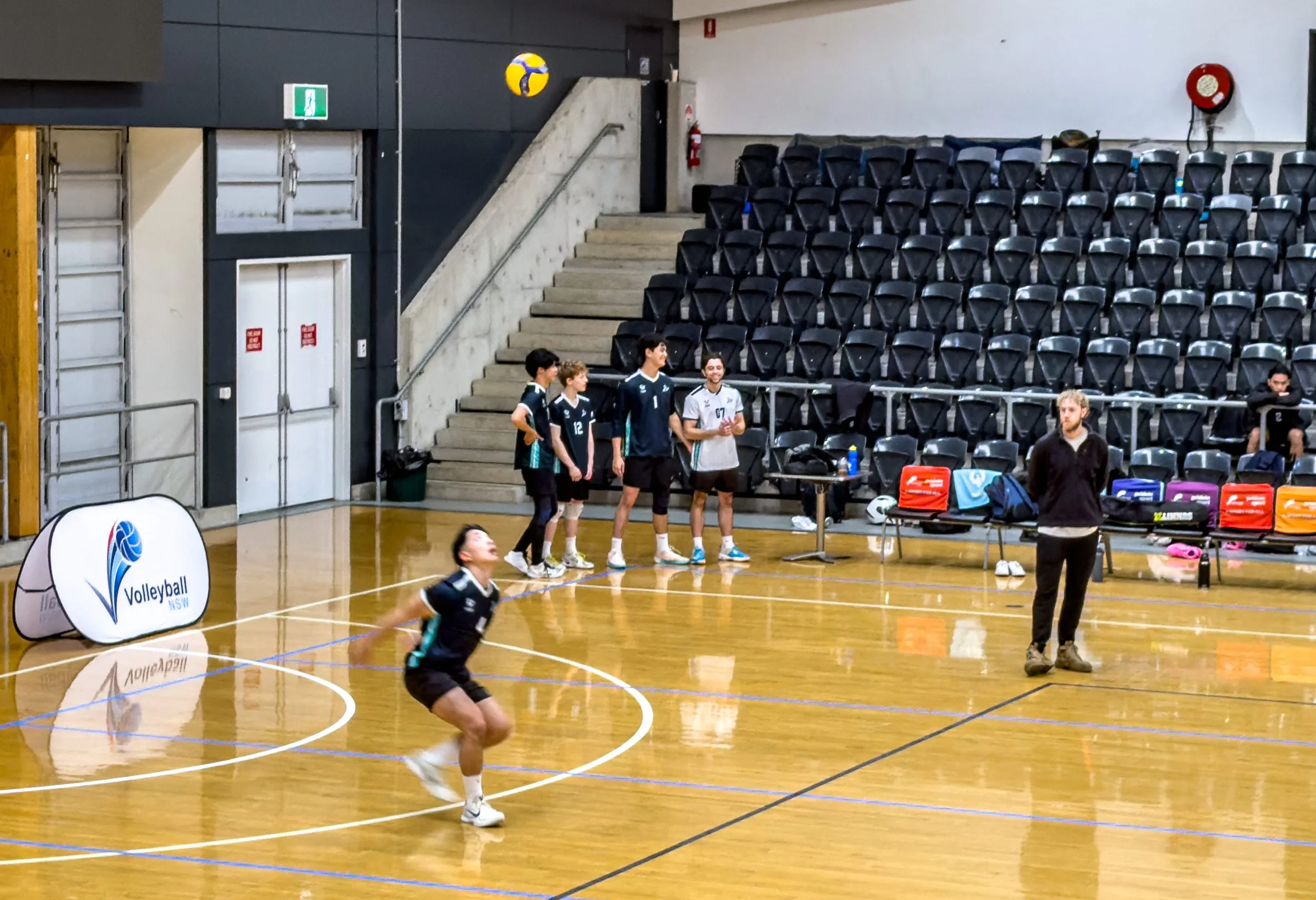
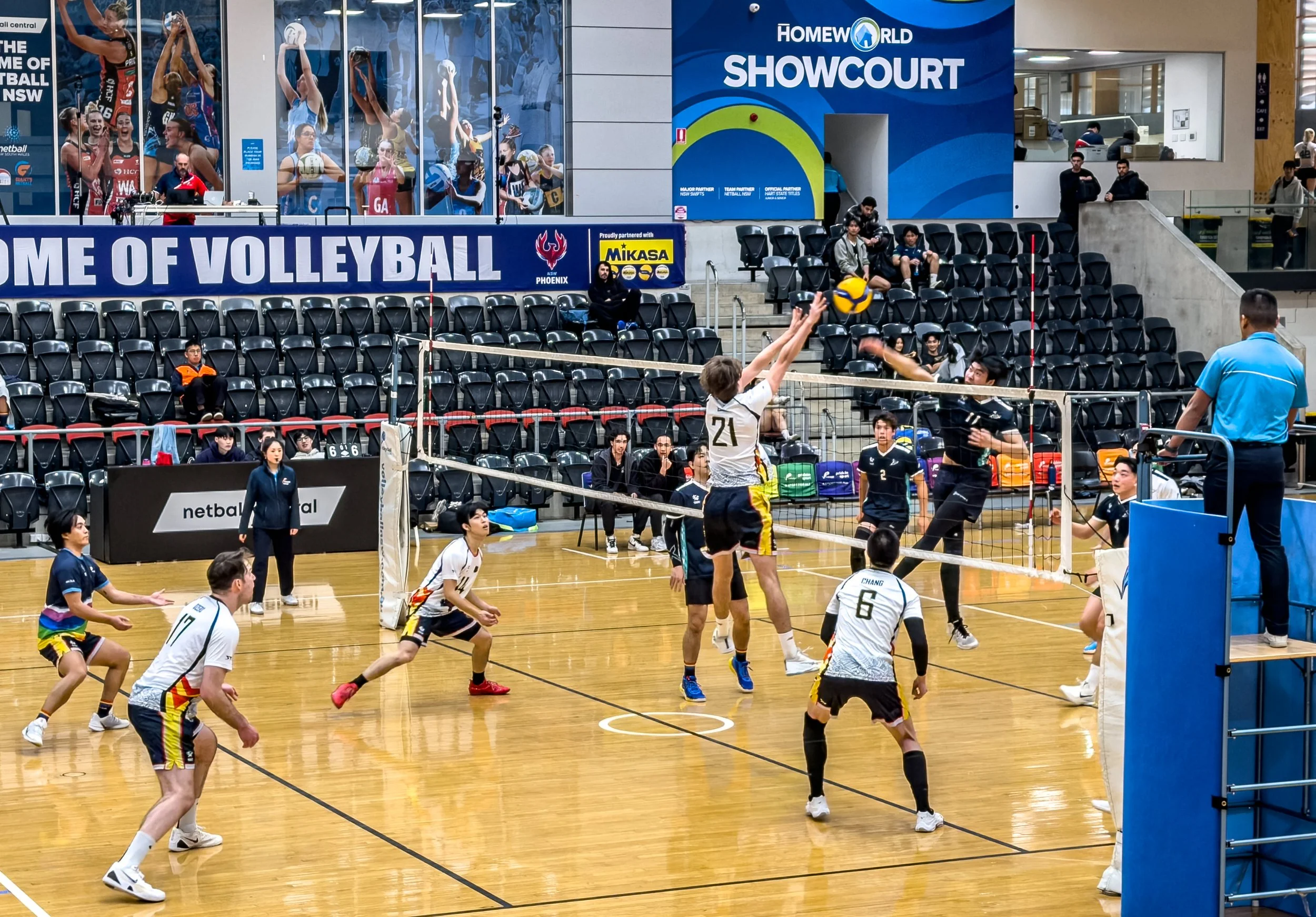
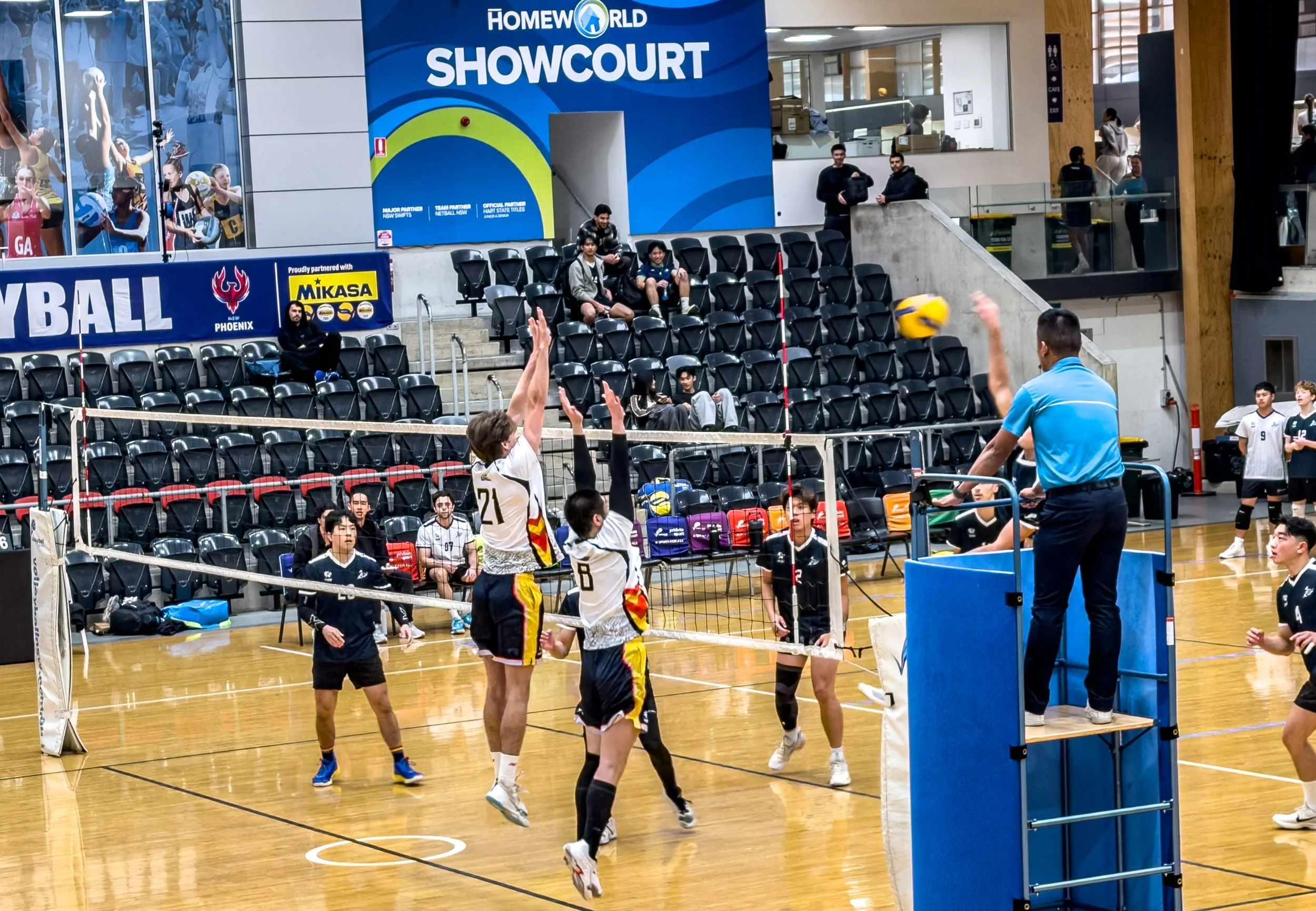
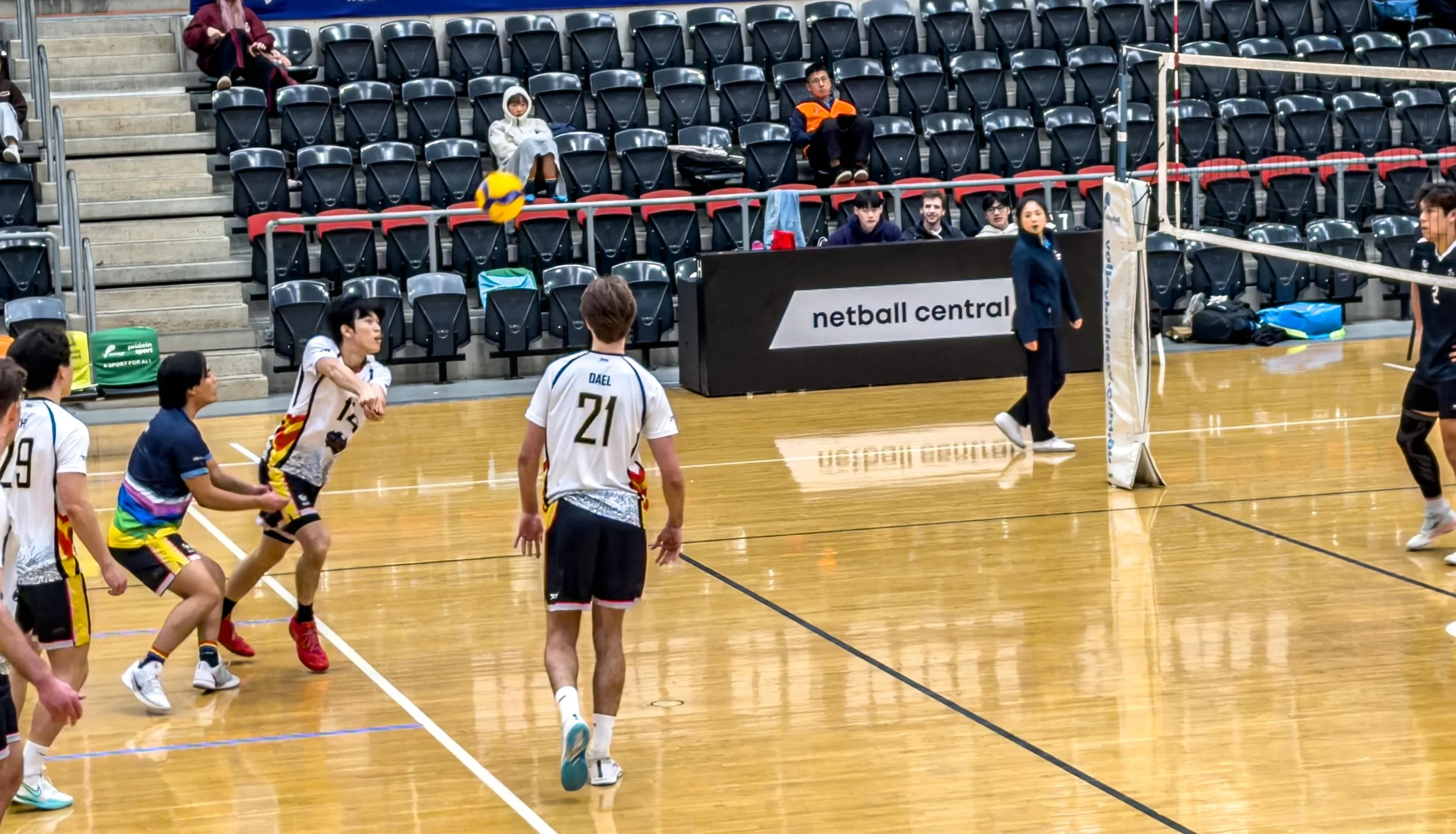
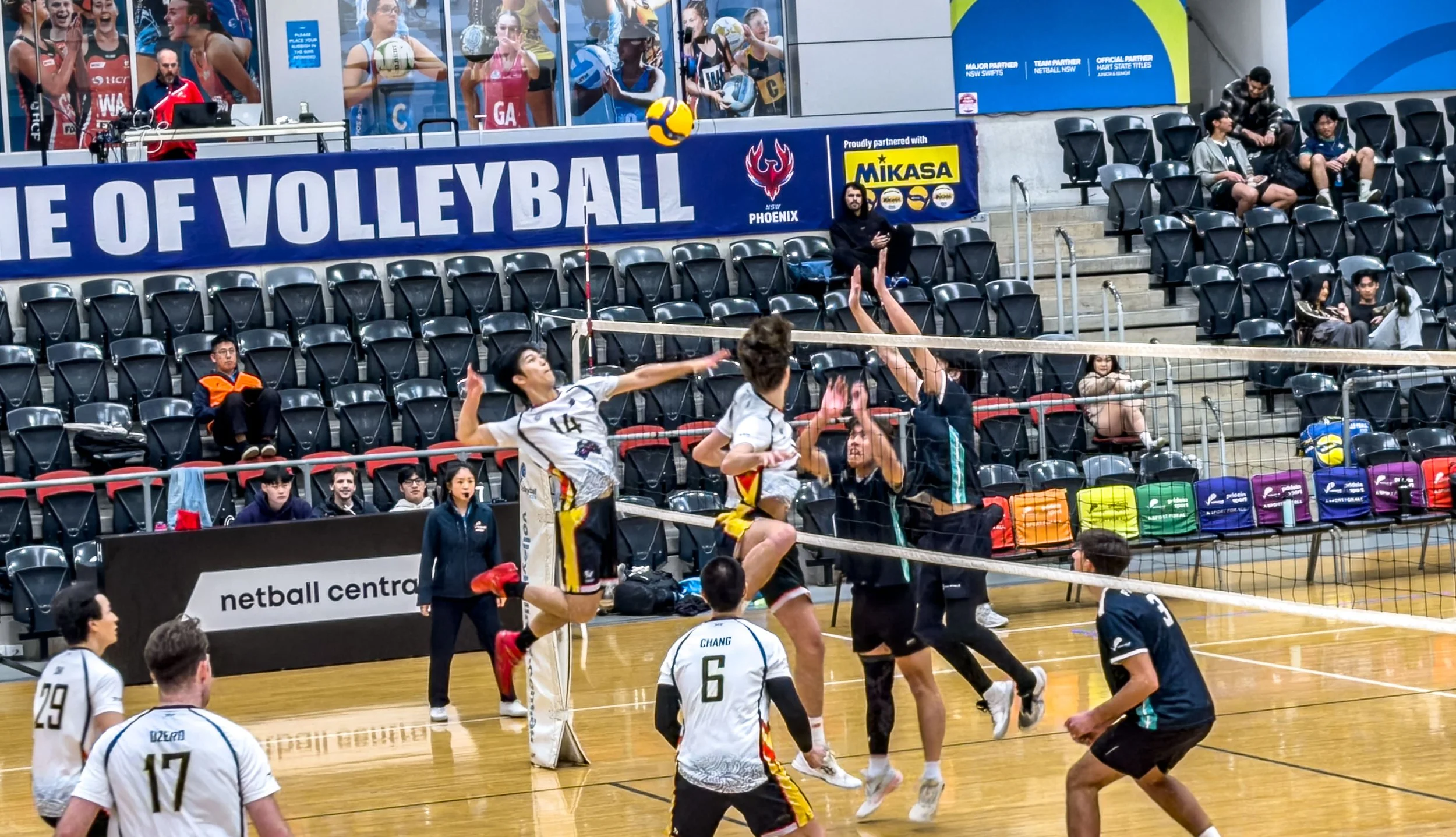
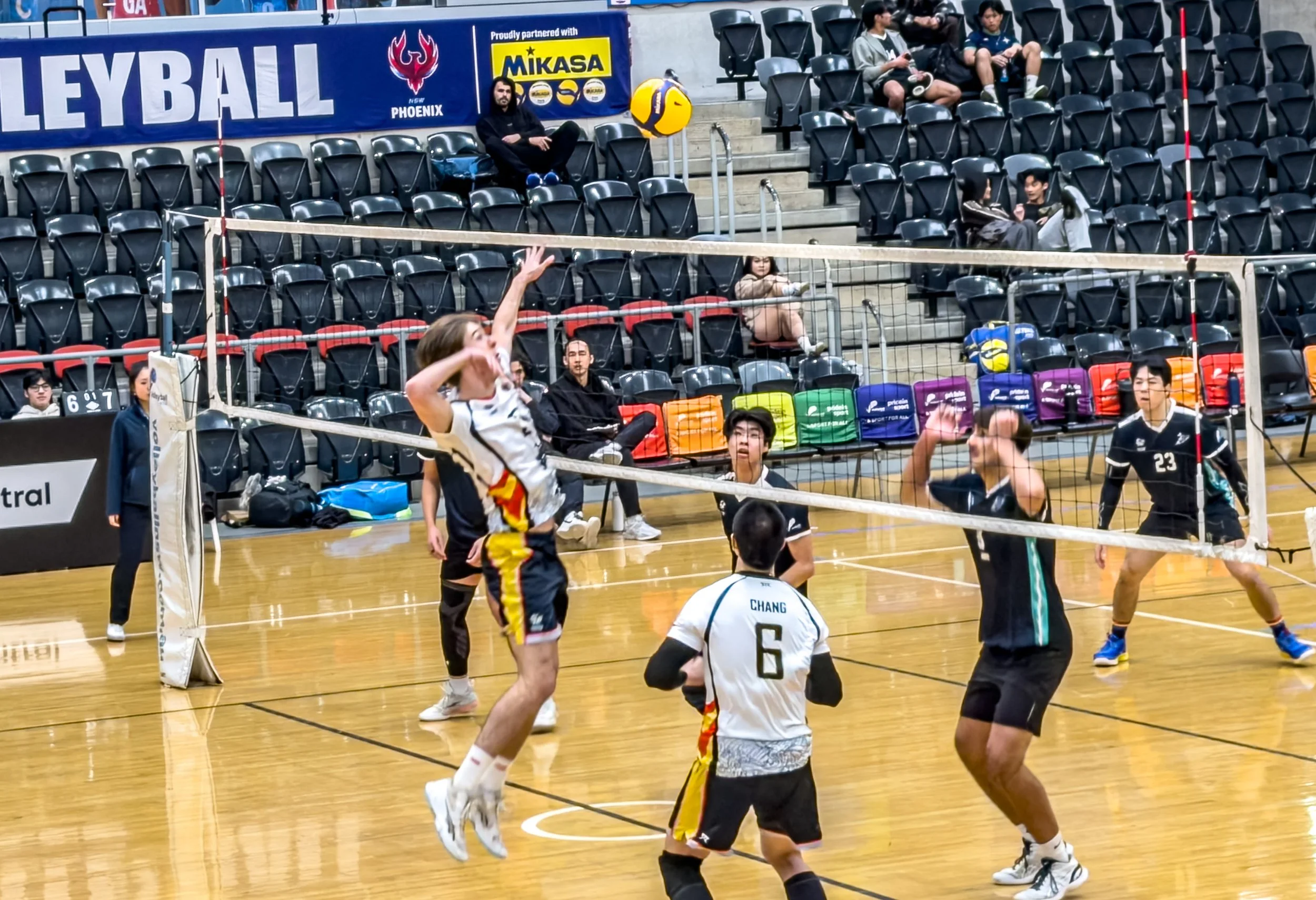
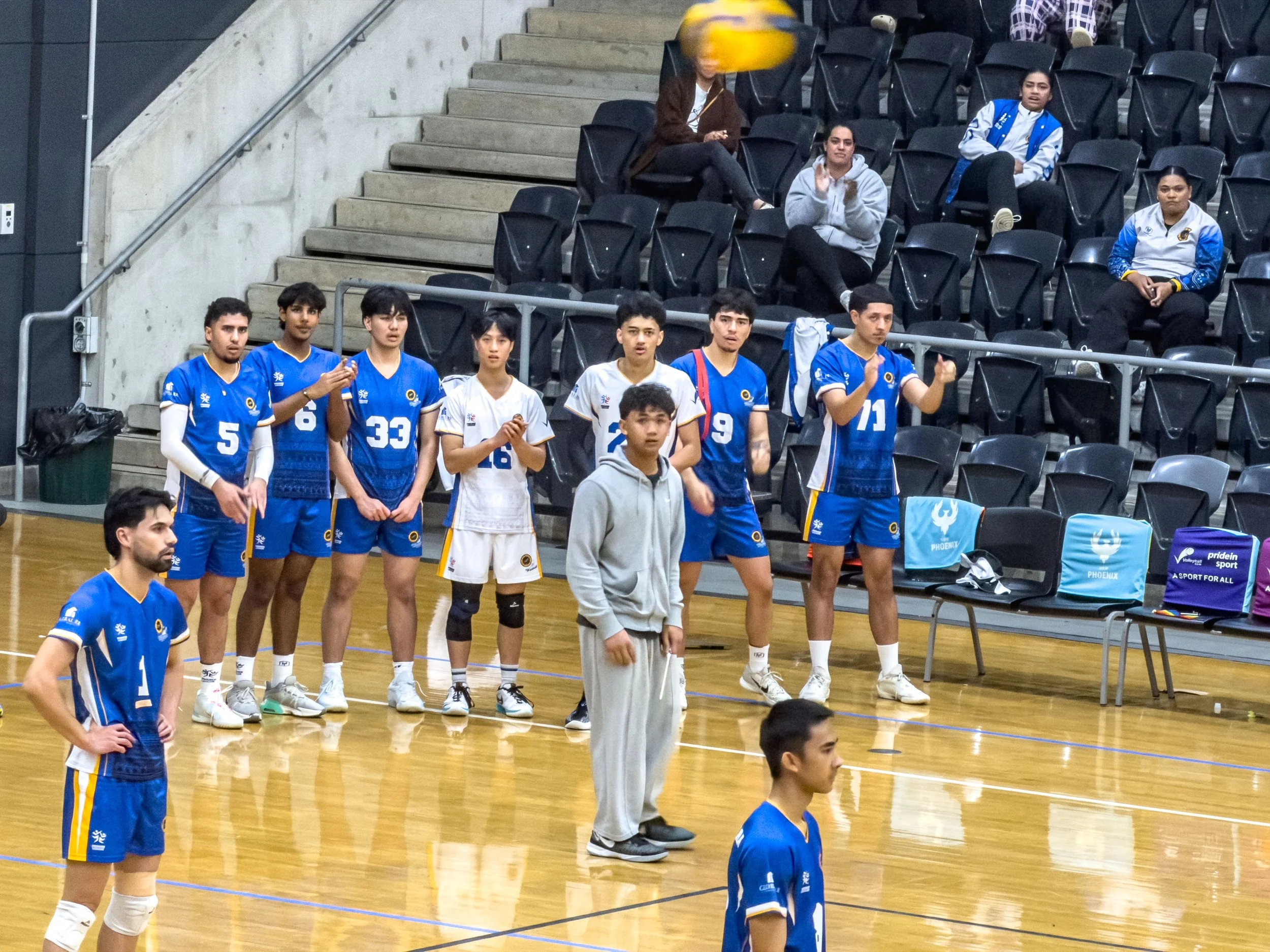
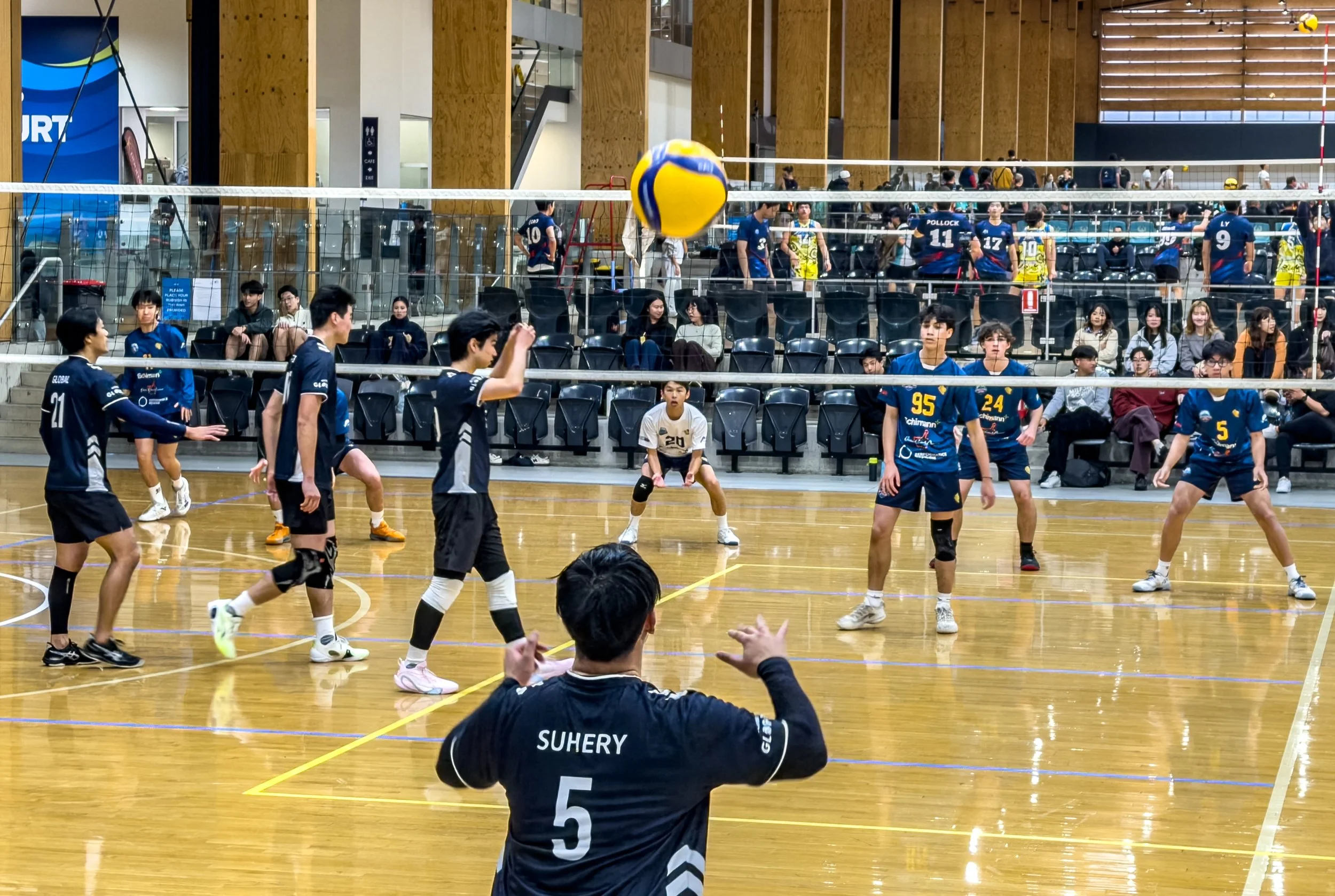
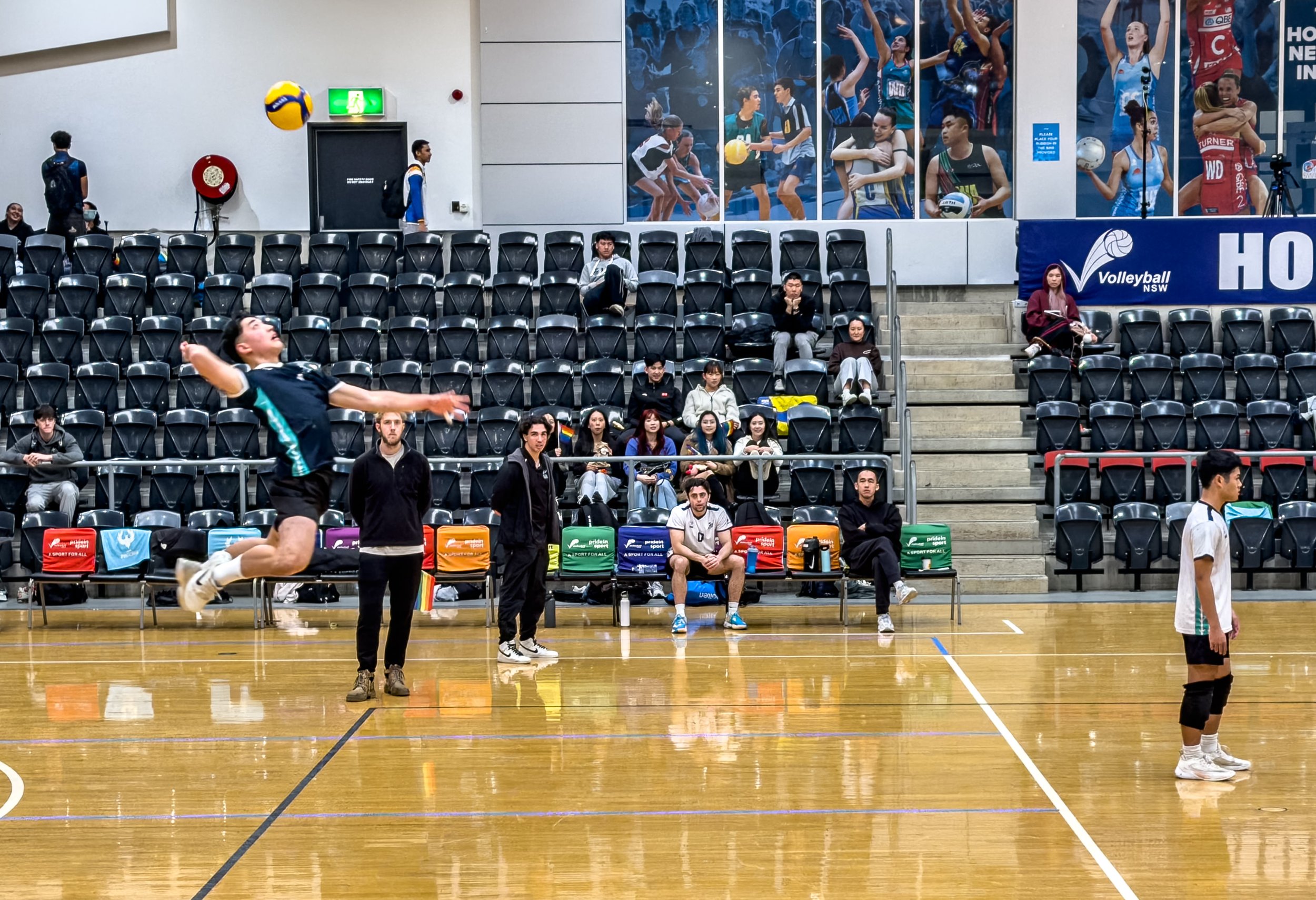
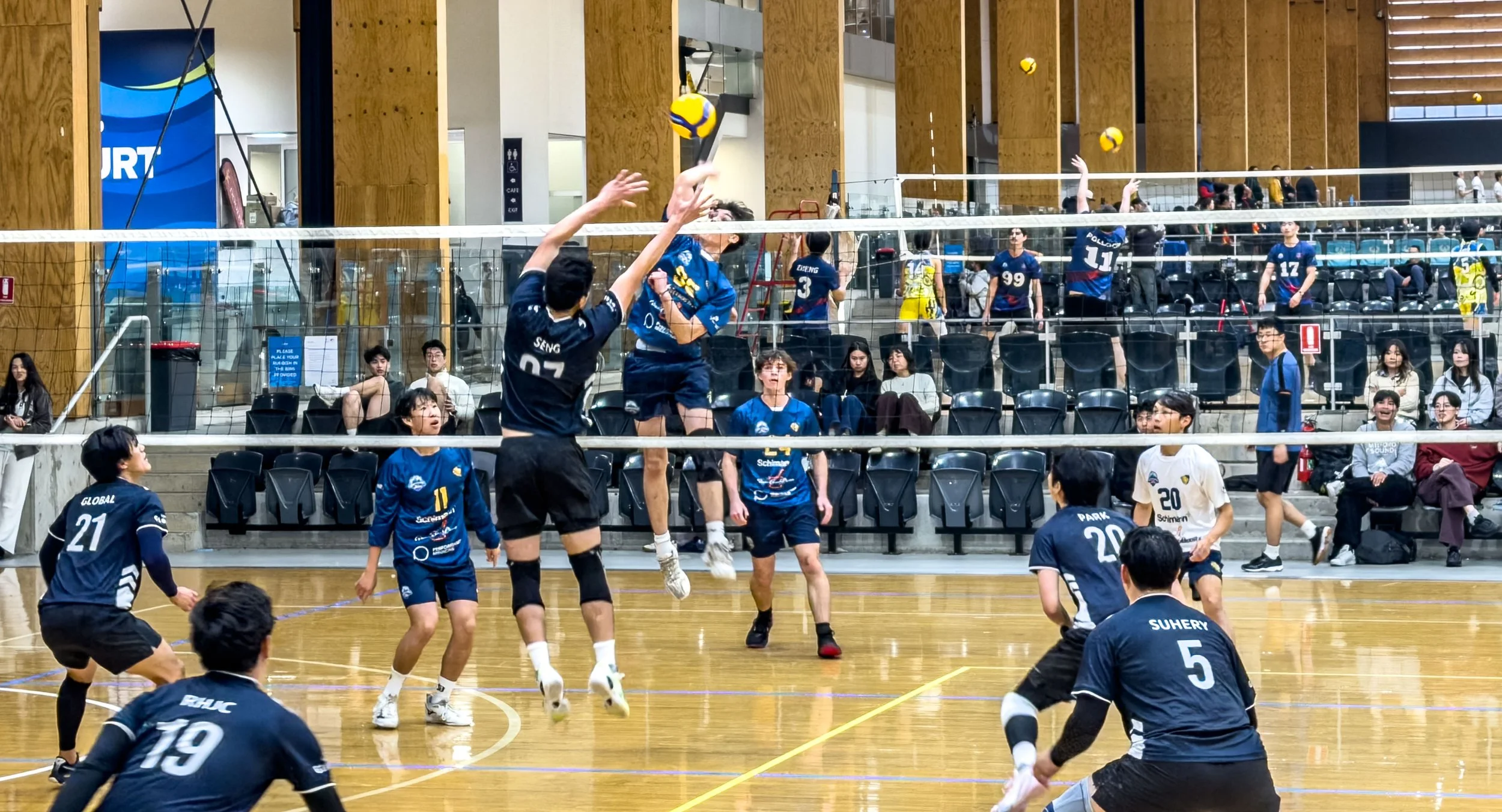
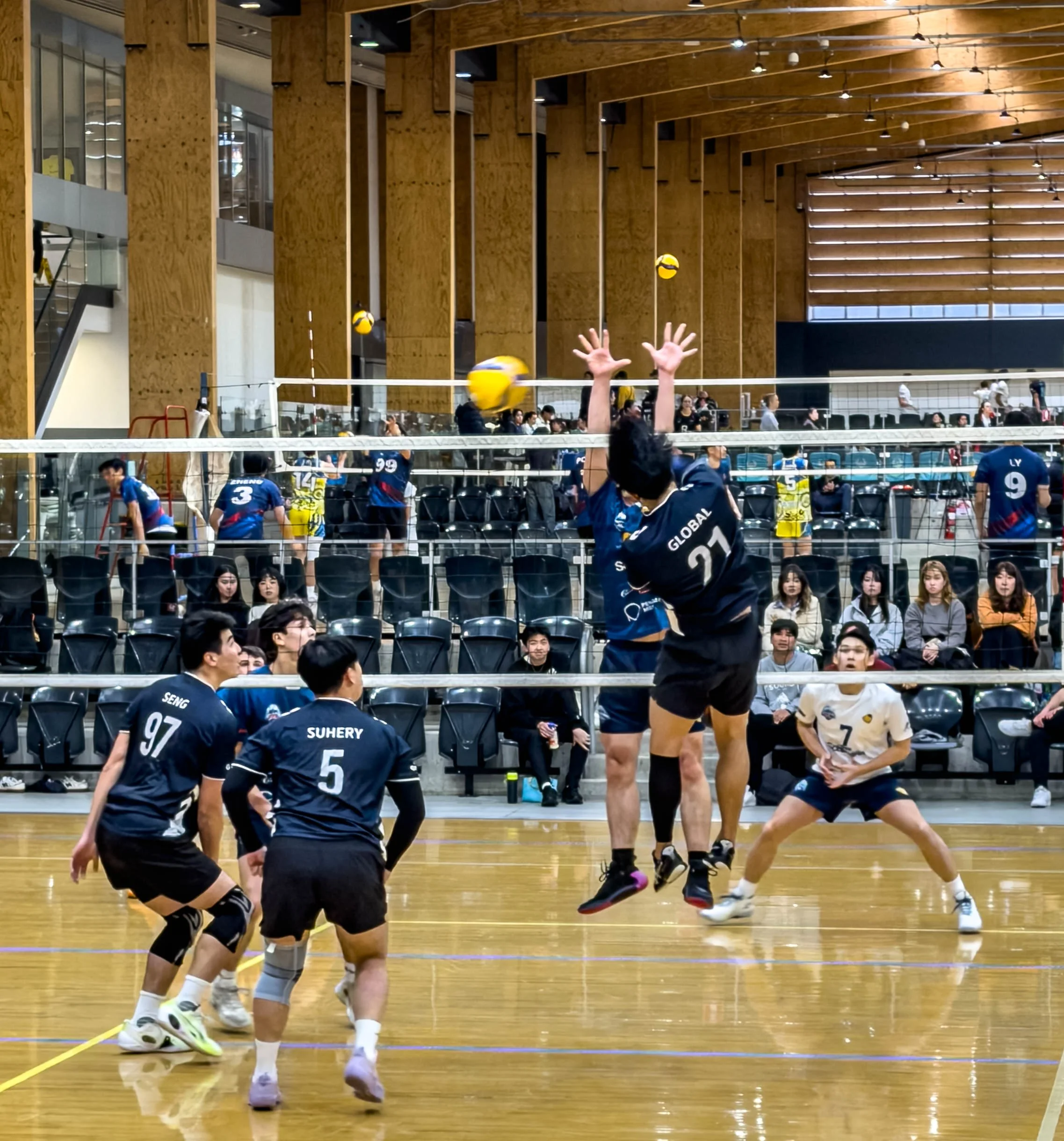
On a screen, you can understand that the players are athletic. In person, you can hear and feel it. The jump serves carry real force. The spikes arrive with a sharp crack, making you briefly wonder how anyone is expected to dig them back up. Players launch themselves across the court with complete commitment, often covering a surprising amount of ground in the space between the attack line and the net.
But the part I enjoyed most was not the power. It was the deception.
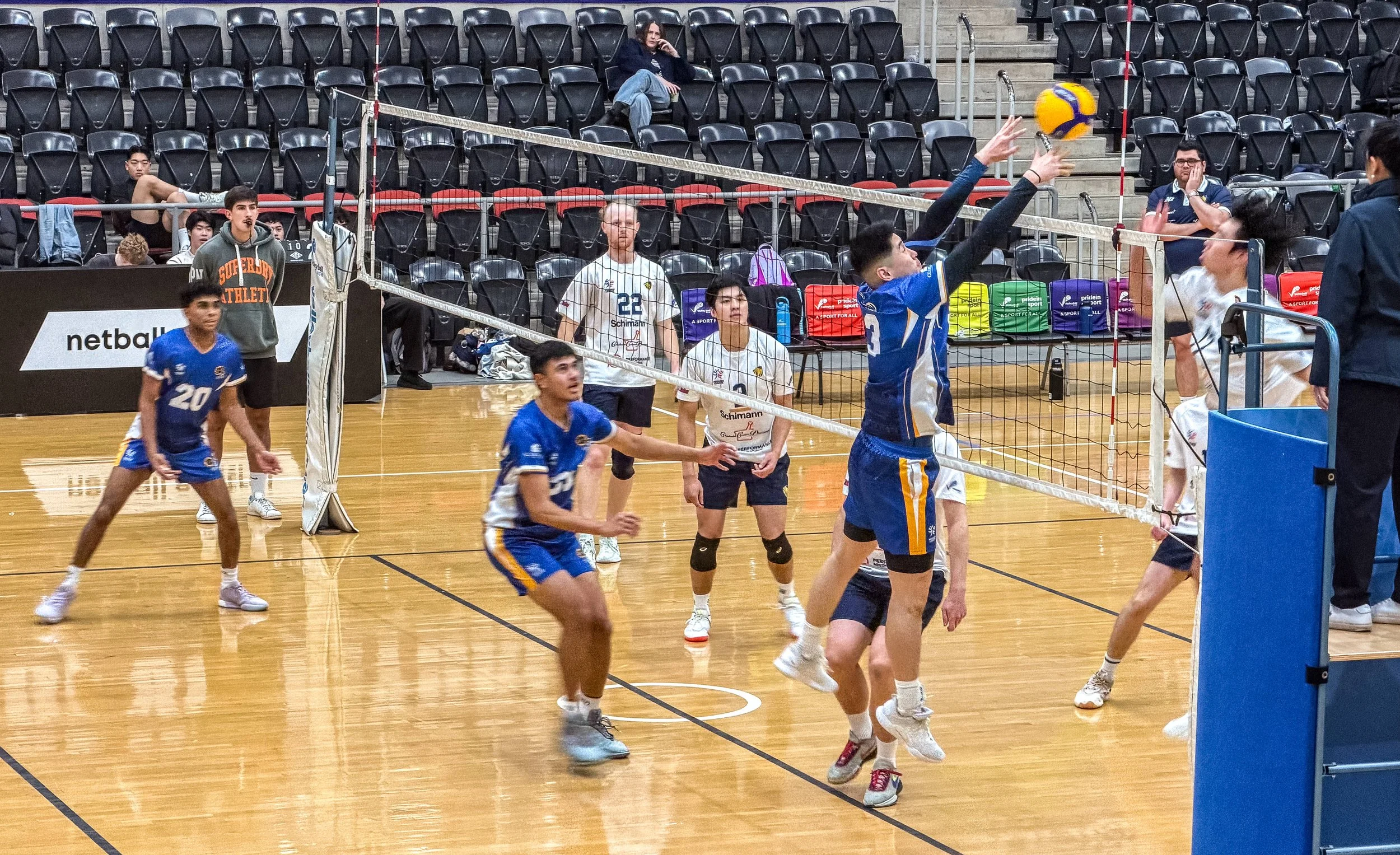
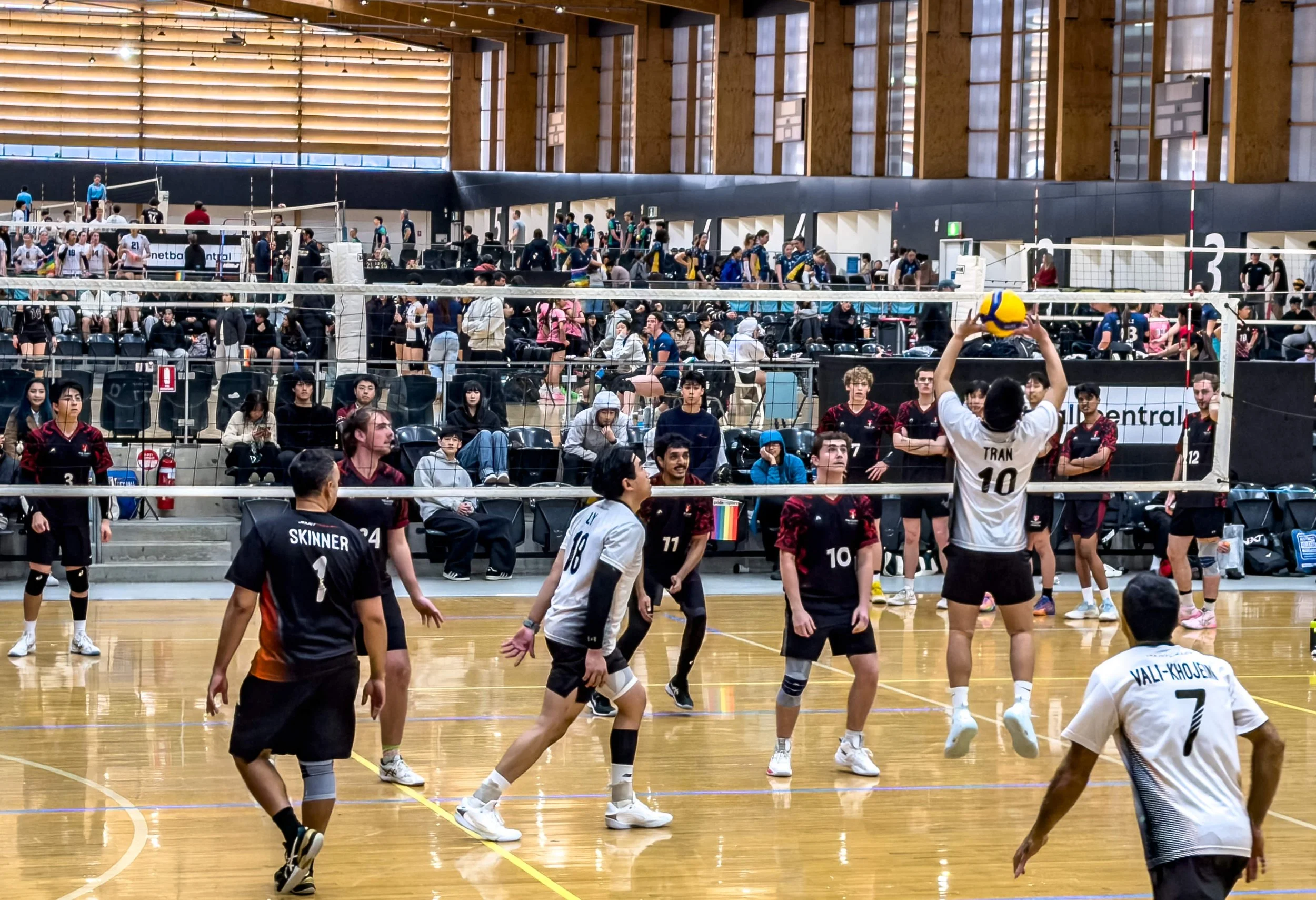
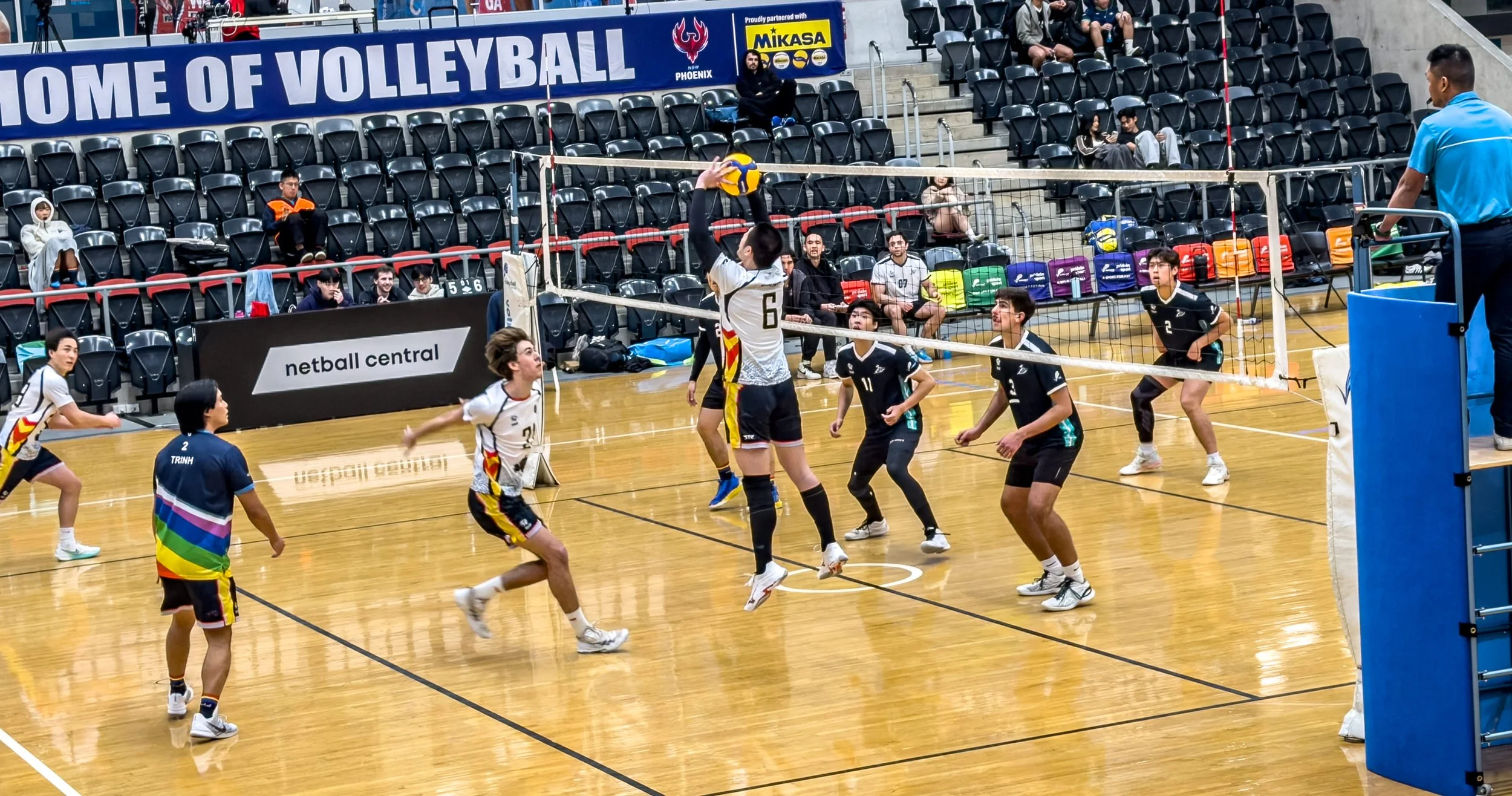
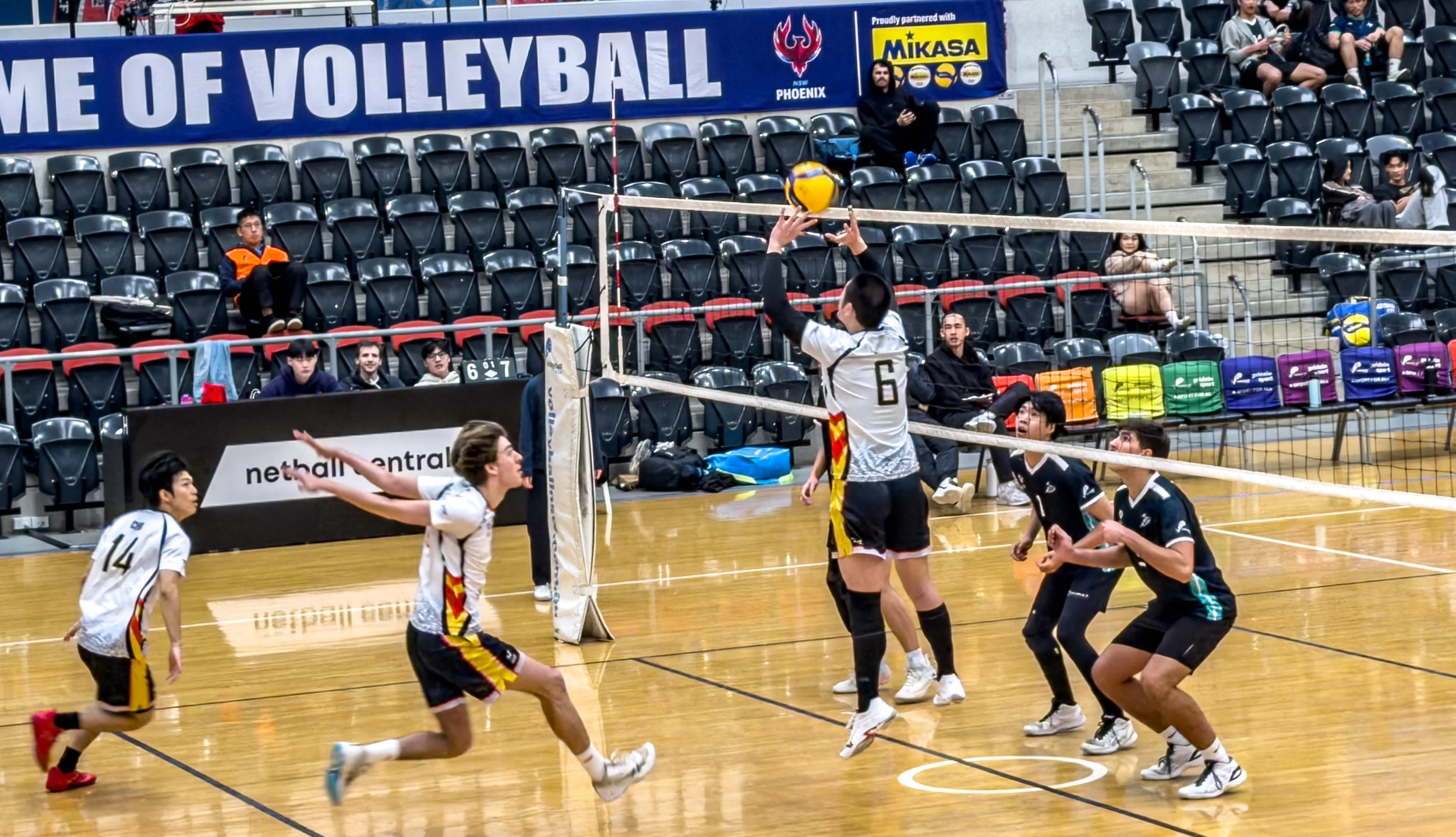
Volleyball is full of players pretending to do one thing before doing another. A setter shapes to send the ball wide, then slips it short or behind them. An attacker approaches as if they are about to launch a full spike, only to roll the ball softly into an open space. Players draw blockers one way, move defenders another, then find the gap that only appeared because someone had properly sold the previous movement. It is an oddly delicate sport for something that can look so brutal.
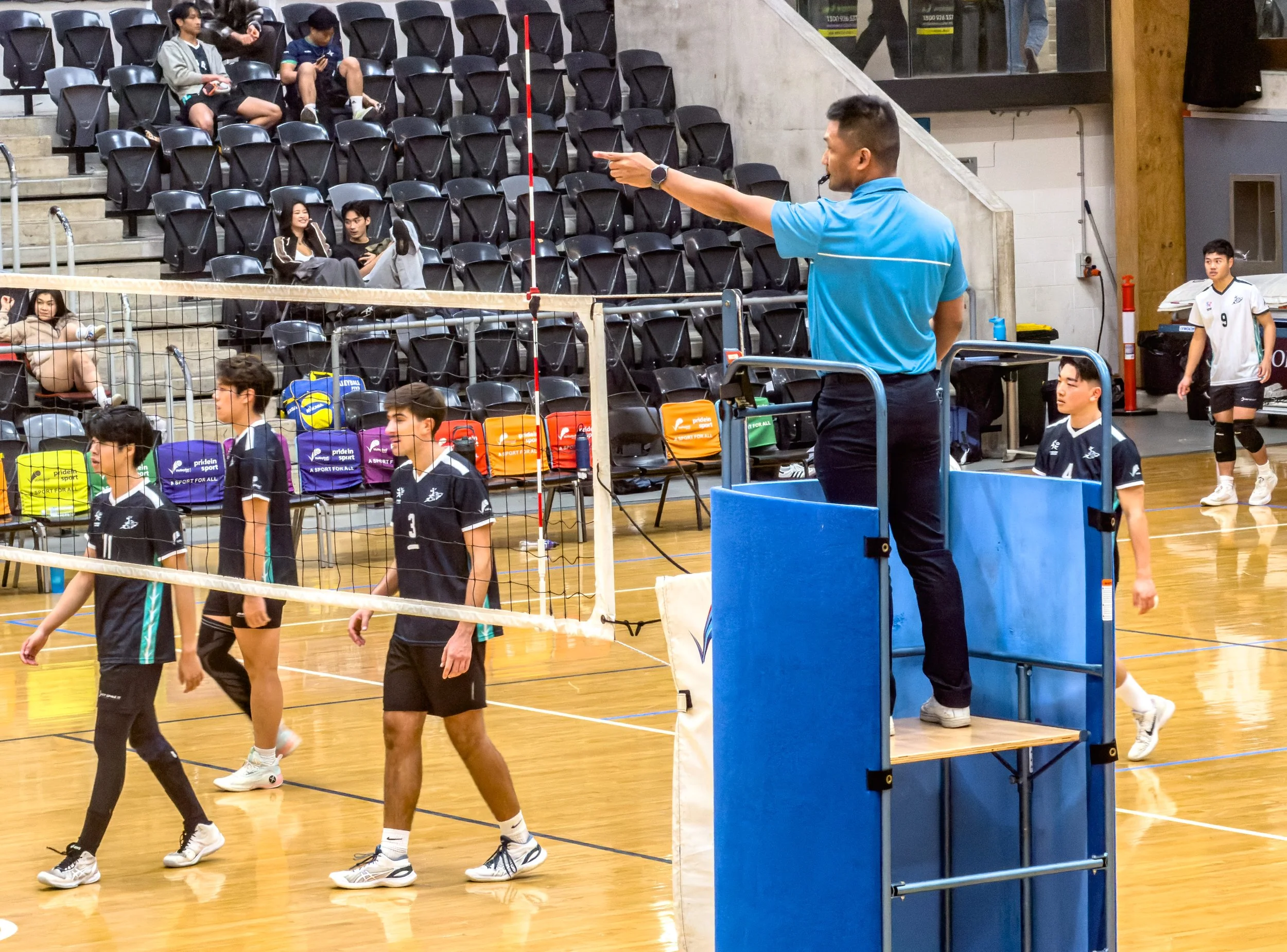
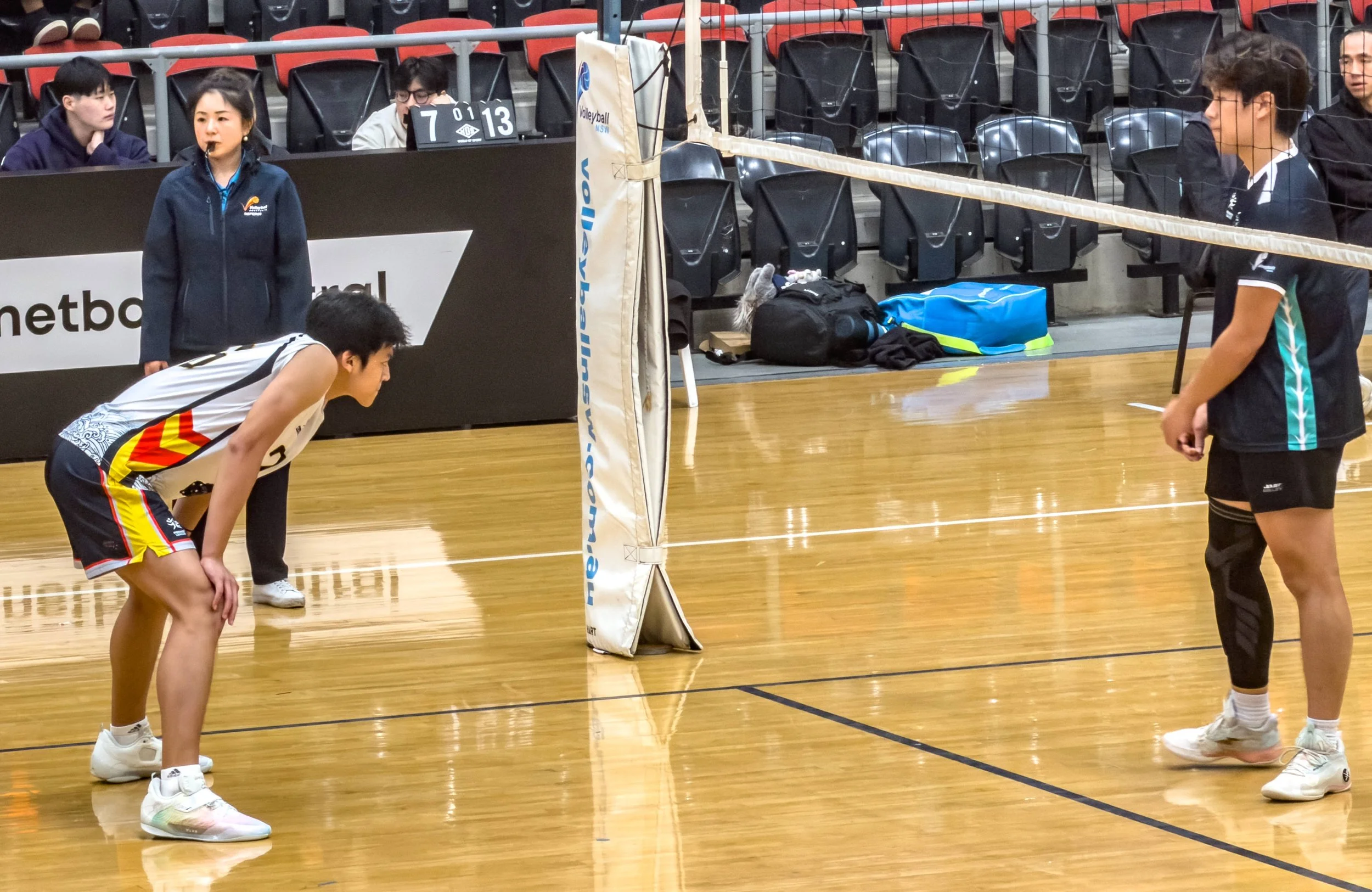
One set pushed all the way to 32–30. Volleyball nominally plays to 25, but only if someone can win by two. Once both sides get past 24, the set can run on for as long as neither side can create that margin. There was no giant screen counting down the drama, no big soundtrack between points, no announcer trying to manufacture tension. Just a small flip-card score on the officials’ table and two teams gradually running out of safe margins.
One thing that kept striking me was the reliance on a single match ball. In football, rugby league or cricket, there are spare balls everywhere. The game barely pauses when one disappears. In volleyball, when the ball goes into the stands or rolls into another court, play stops until it is retrieved. It sounds minor, but after a few hours it becomes part of the rhythm. Everything revolves around that one ball.
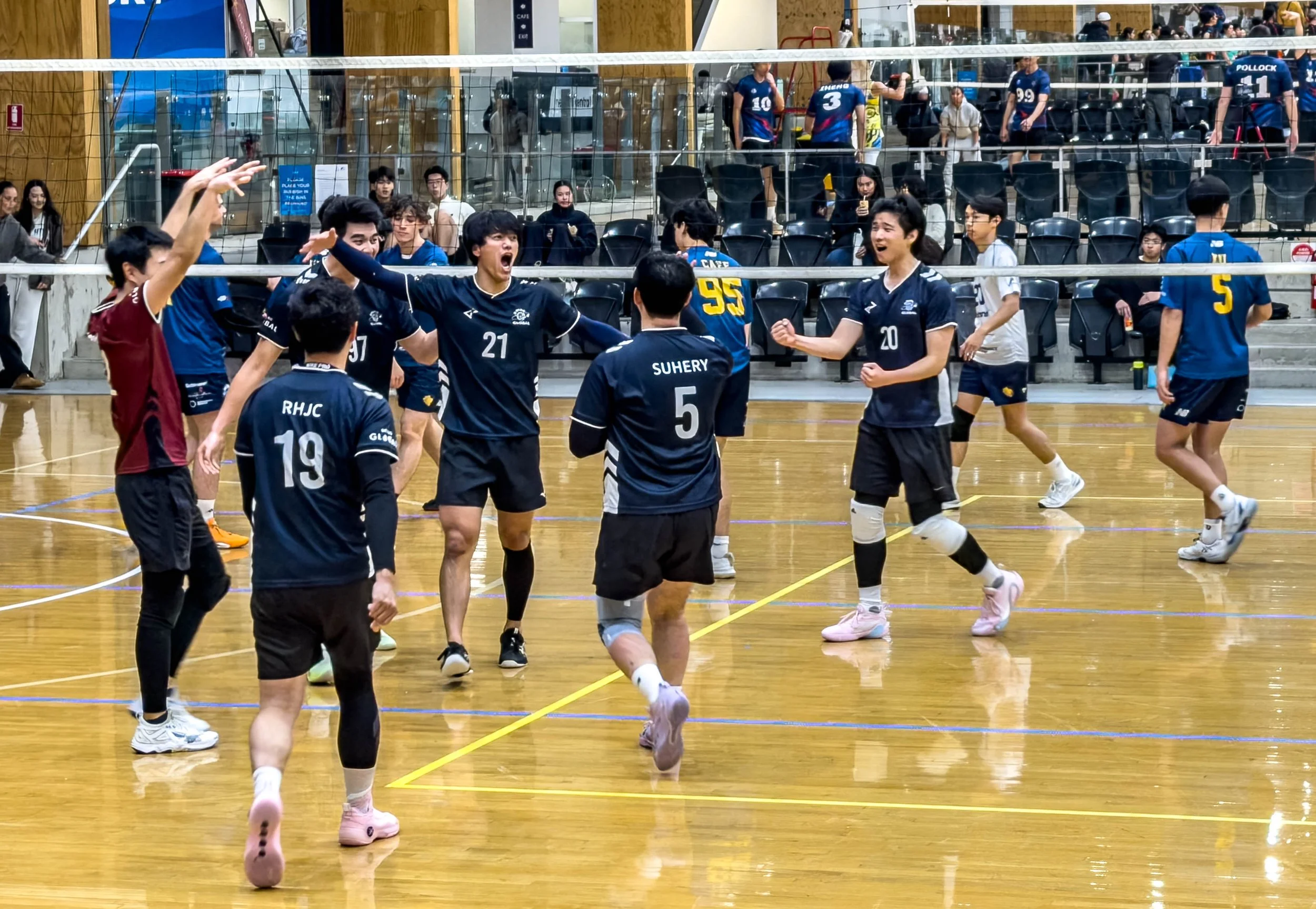
The standard was high, including in the reserve grade matches. The players were disciplined, technically sound and far more organised than the volleyball I remembered from school.
My own history with the sport is mostly built around high school confidence. We were good in our little region. Then we went to the state championships and, with some efficiency, discovered that we were not good at all. Watching Premier League Volleyball brought that memory back. There is a point where a sport stops being something you play with mates and becomes something people have spent years properly learning.
It also made me think more broadly about indoor volleyball in Australia. Australia has had meaningful success in beach volleyball, but indoor volleyball sits in a different place. The national men’s team has generally lived well outside the established global powers, and Australian indoor volleyball does not carry anything close to the attention, funding or pathway visibility of the major domestic codes.
That does not mean the sport lacks quality. It means the gap between the best local club volleyball and the international game is difficult to judge from a seat beside Court Three at Olympic Park.
The more interesting part of the day was the venue itself. There was no major broadcast production. No mascot. No pre-game light show. No announcer telling anyone who was playing. If you arrived without knowing the draw, you would need to work it out for yourself.
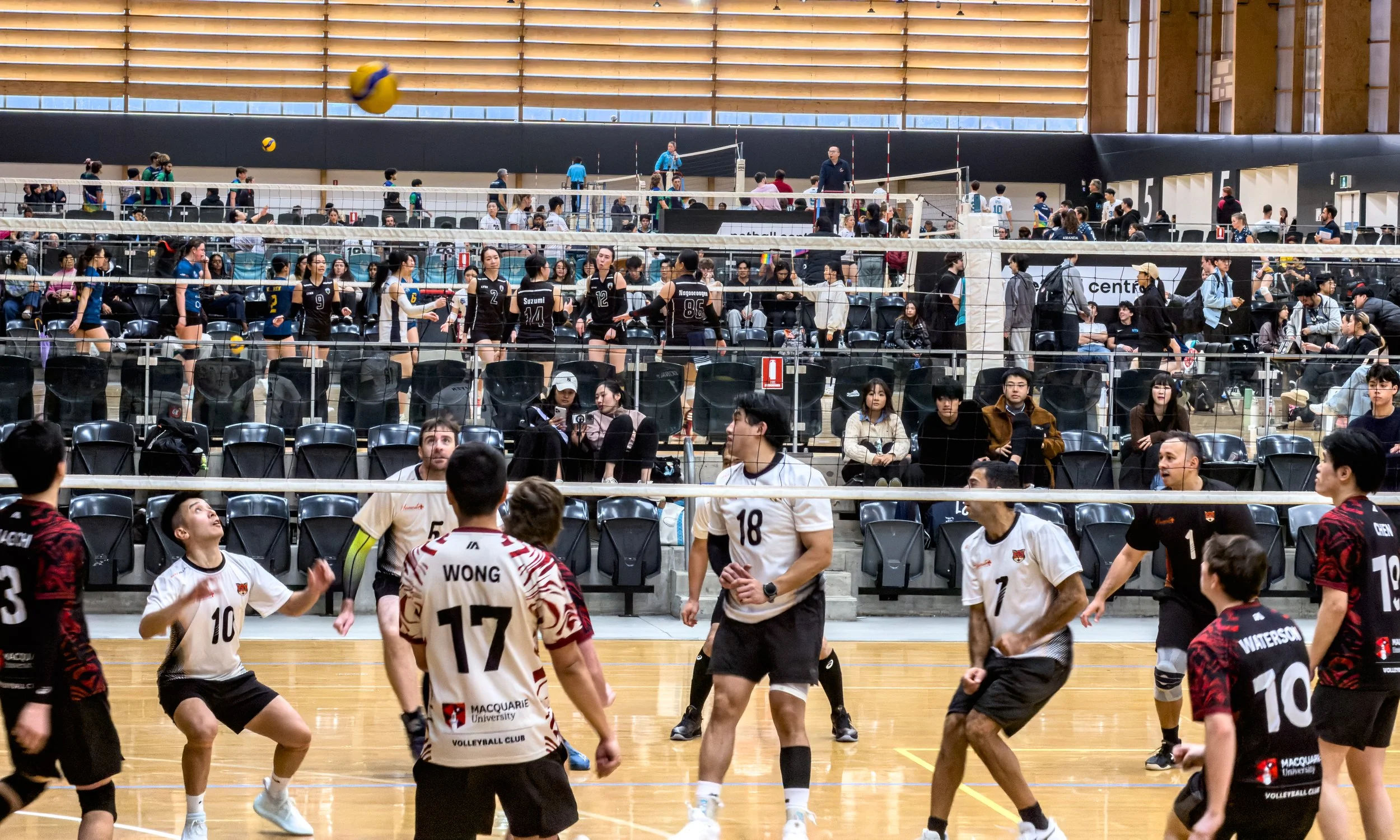
Yet Netball Central was busy all day. Players came and went in club gear. Families settled in around courts. Officials moved between matches. Teams warmed up while others packed bags and disappeared into the rain. Somewhere else in the building, another game was always starting. By the time one court had finished, another was halfway through a tense set. There were easily more than a thousand people passing through the building across the day, but it did not feel like a crowd in the way a major sporting event does. It felt like a constant flow of people with somewhere specific to be.
That is the difference. At a major code game, the sport is often only part of the offer. There is food, music, activations, half-time entertainment, screens, hospitality and a long list of things designed to keep you occupied before the contest becomes interesting.
At Netball Central, the volleyball has to do all the work. For a while, I found that refreshing. Then, if I am honest, I also found it a little overwhelming and occasionally boring.
There is only so long you can sit in a cold indoor hall, listening to whistles and watching rallies from courts you do not have a personal connection to, before the concentration begins to drift. The volume of sport is impressive, but volume is not automatically spectacle. There were stretches where I was simply sitting there, watching another game begin, another ball get retrieved, another group of players rotate through positions.
That is not a criticism. It is probably the most honest description of grassroots sport. You need some connection to it.
You need to know a player, follow a club, understand the game well enough to notice a clever serve or a defensive adjustment, or just enjoy being around people who have chosen to spend their Sunday doing something properly.
For me, that connection grew as the day went on. I found myself watching the small things more closely. The players calling the ball early. The split-second decisions around the net. The way one good serve could tilt an entire set. The quiet pressure of a score climbing into the high twenties with nobody able to finish it.
By the time I finally walked back towards the station for the trip home to Hornsby, my knees had begun offering their own review of the day.
Hours on hard seating, plenty of walking around Netball Central and a slow accumulation of cold had caught up with me. I was tired in the particular way you get after a day out that involved little obvious exertion, but somehow still drained you. A bowl of Chinese beef noodle soup loaded with chilli was waiting at the other end. It was less a meal than a recovery plan.
I would not necessarily recommend Premier League Volleyball to someone looking for a big Sunday spectacle. It is not trying to be that.
But if you are interested in what sport looks like without the commercial wrapping, Netball Central is worth seeing. It is a place where the machinery of club sport is visible. The players, coaches, officials, families, clubs and volunteers are all there, moving through a long day because the next match is always about to start.
It is not a stage. It is the engine room.