Trying to Find a Method
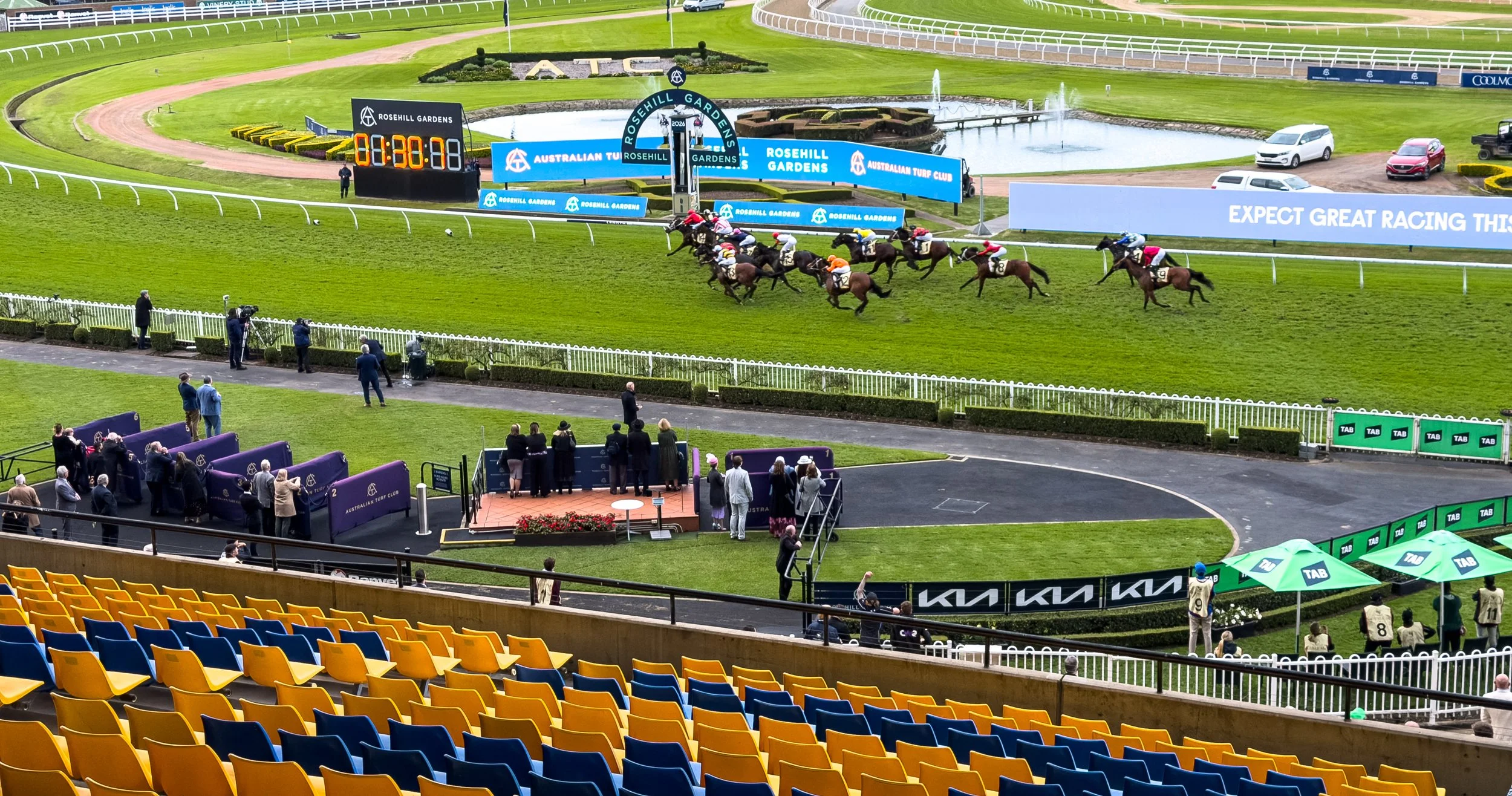
The Damp and the Green: Trying to Find a Method at Rosehill
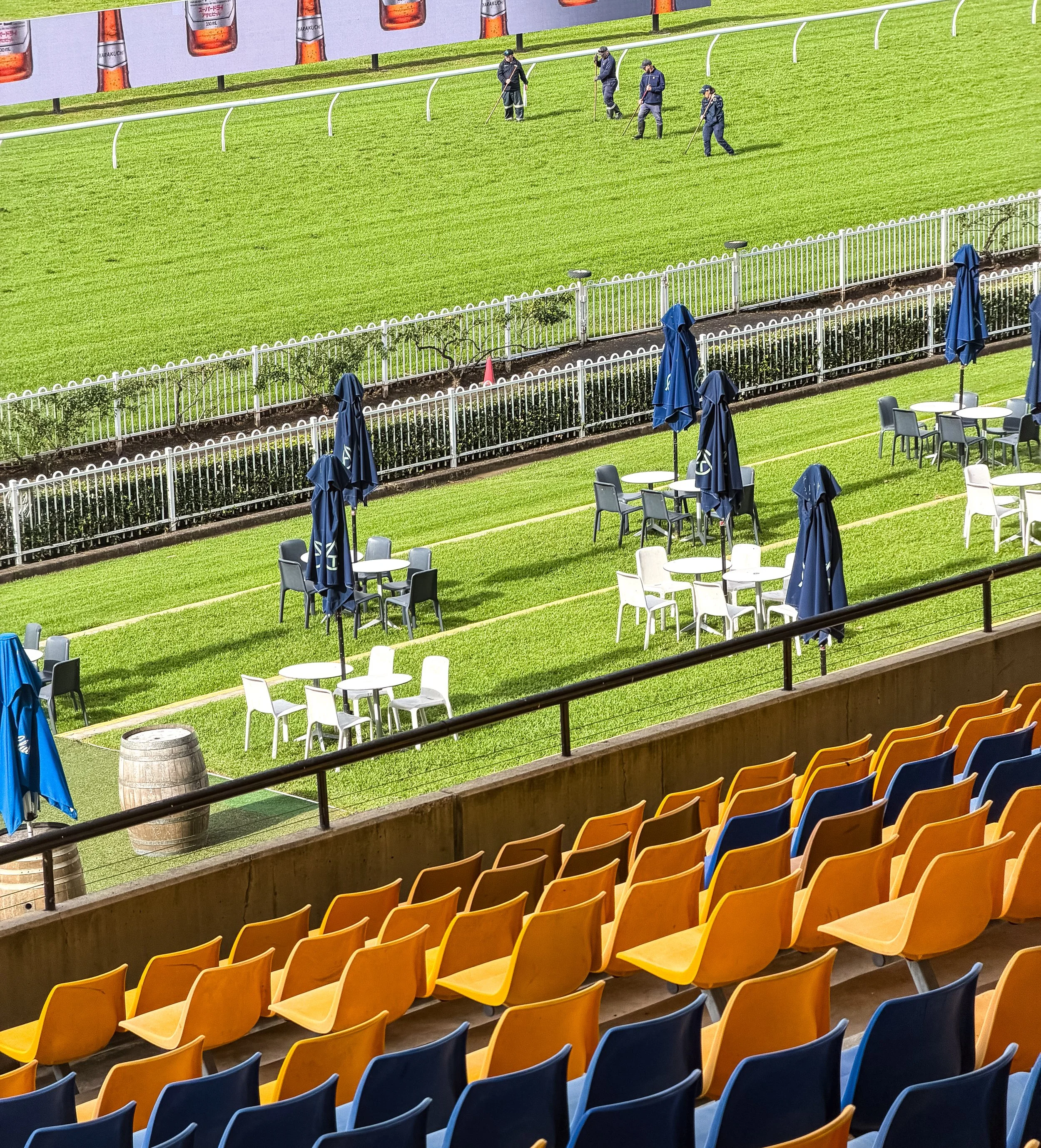
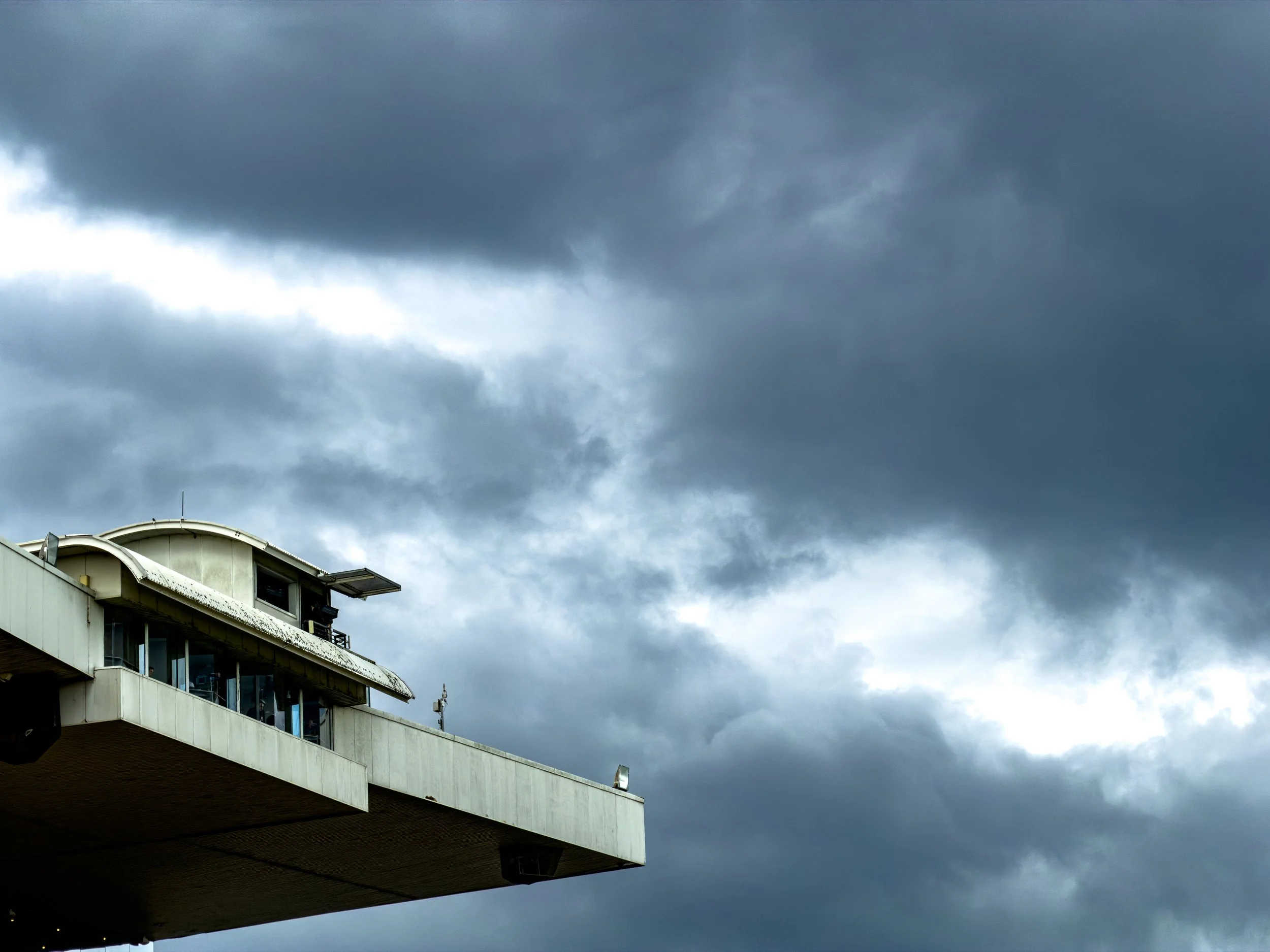
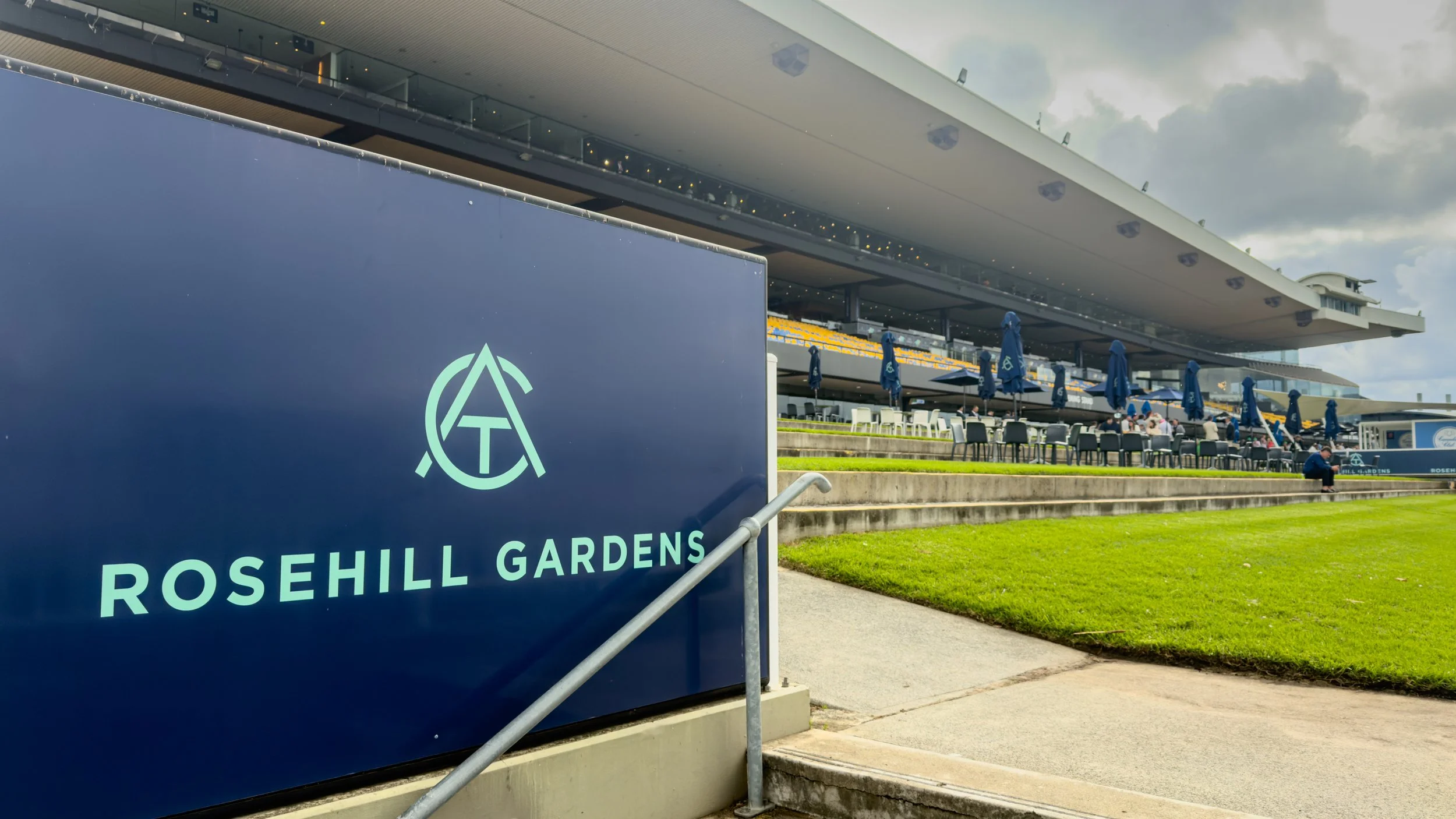
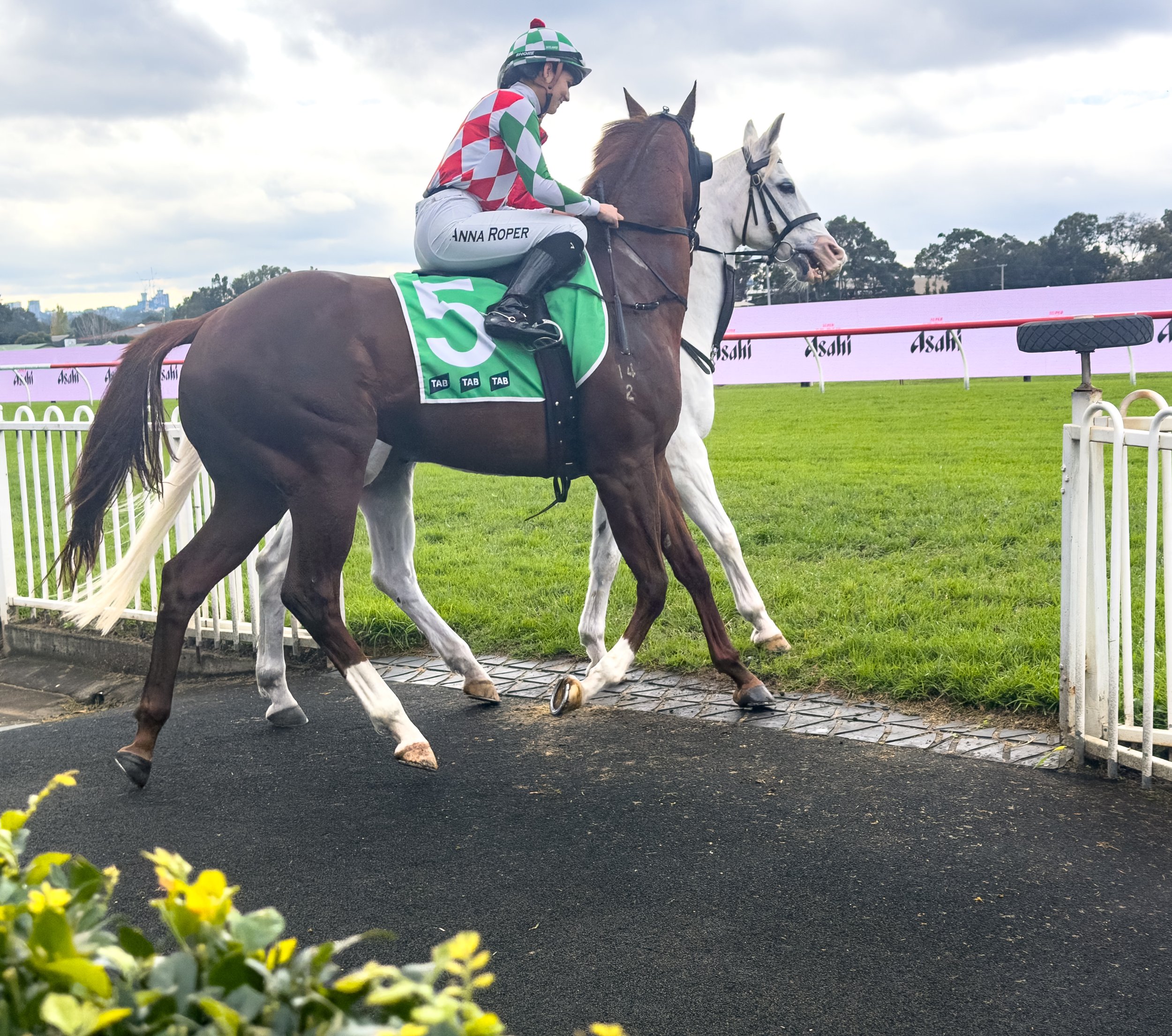
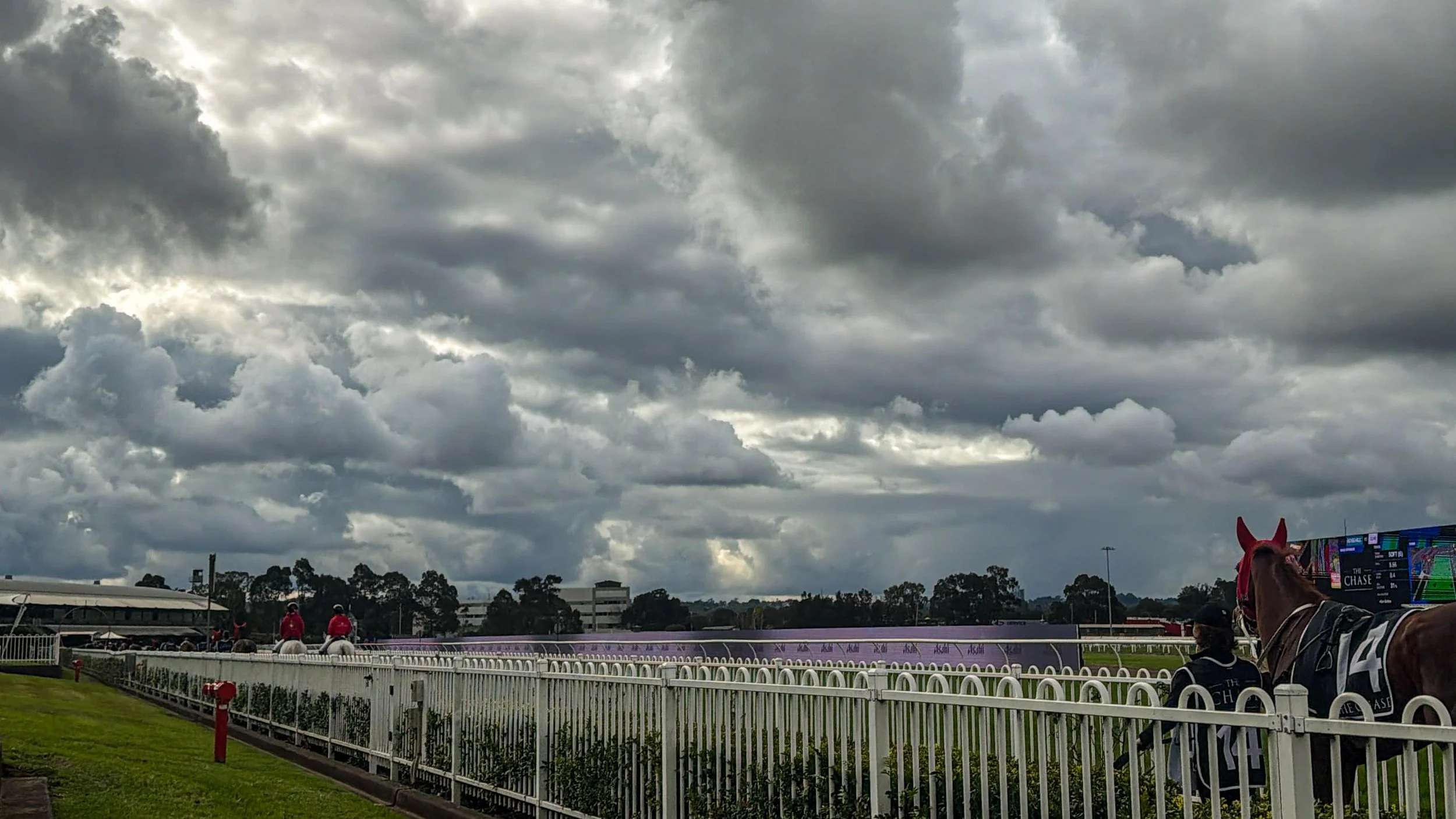
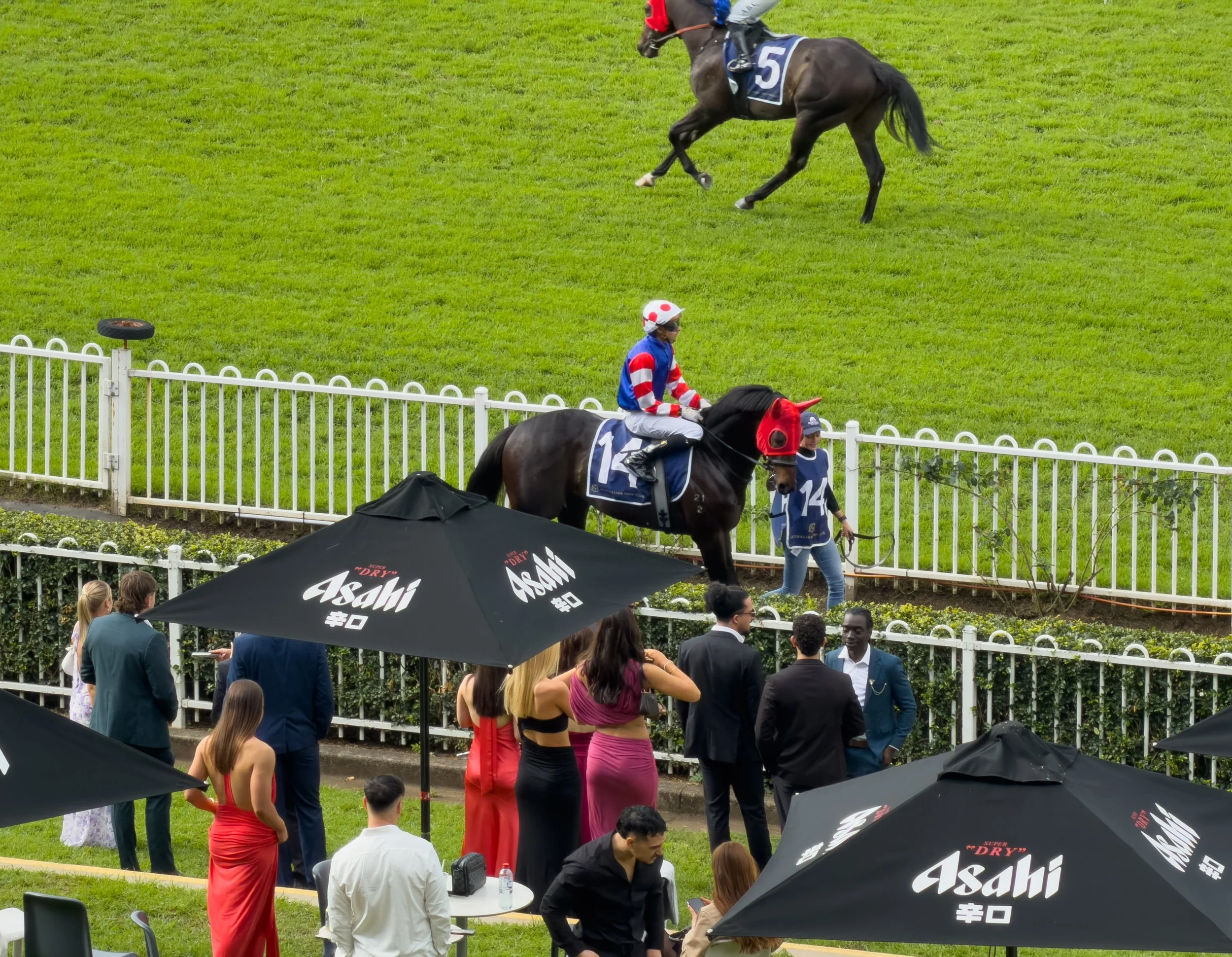
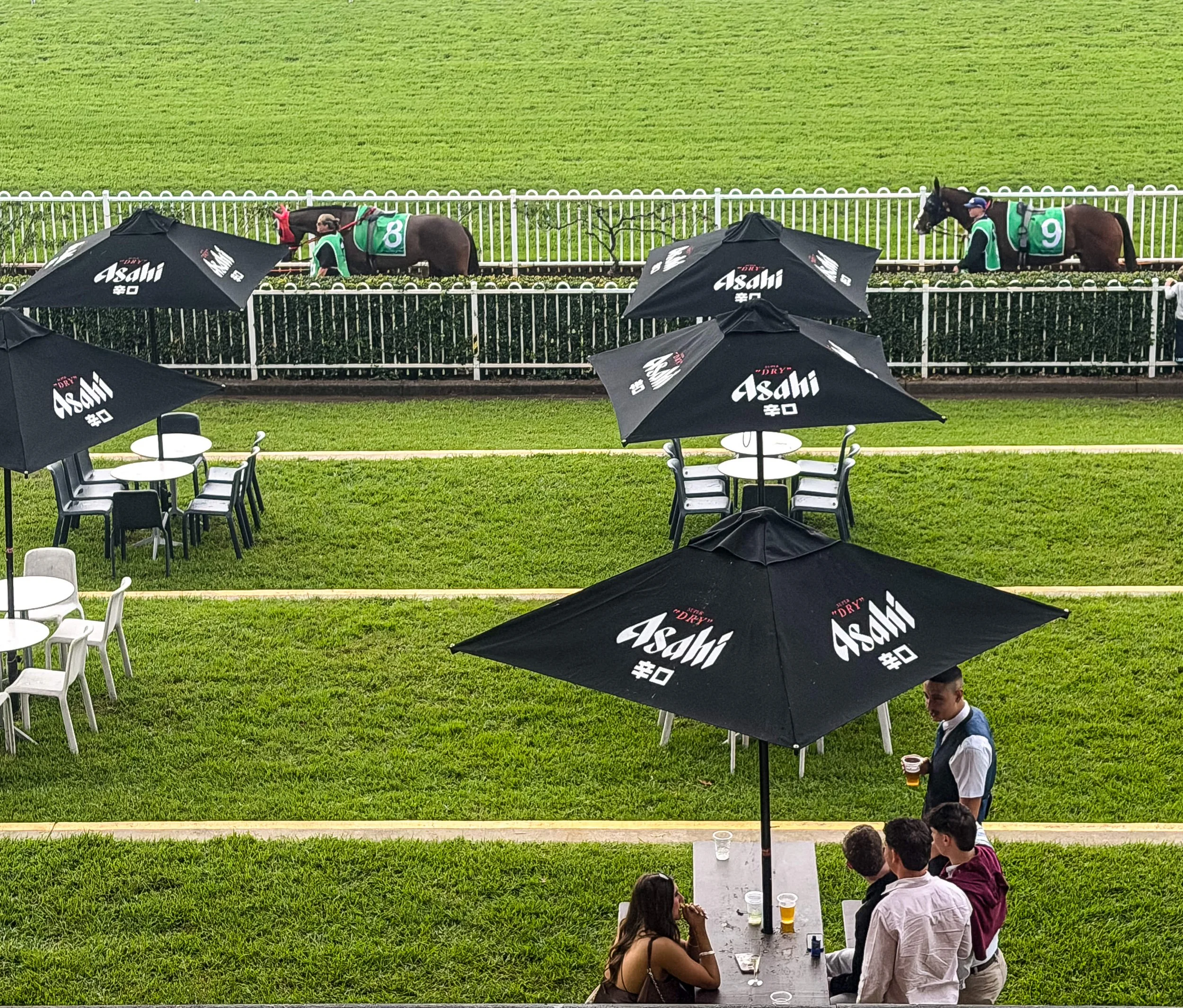
By 10:50 AM, the concrete underfoot at Rosehill Gardens was dark with rain and the lawns held a wet sheen. The sky had threatened all morning—not a proper downpour, just an intermittent winter sprinkle carried on a cold southerly.
Getting there had already been a minor triumph. Instead of driving, I tested a new transit combination: train, bus and light rail. It took fifty-three minutes in motion and seventy minutes door to door. For a major sporting venue, that felt remarkably frictionless,and a long way from the traffic gridlock that usually comes with a big event.
I arrived in my Manly Warringah Sea Eagles cap, which drew nods and comments from fellow supporters through the gates. Despite the previous weekend’s brutal result against the Bulldogs, we were technically still in the hunt.
The general-admission areas felt thin, probably thinned further by the weather and the ticket price. But queues at the gates suggested that the members’ stands and corporate areas were doing better business.
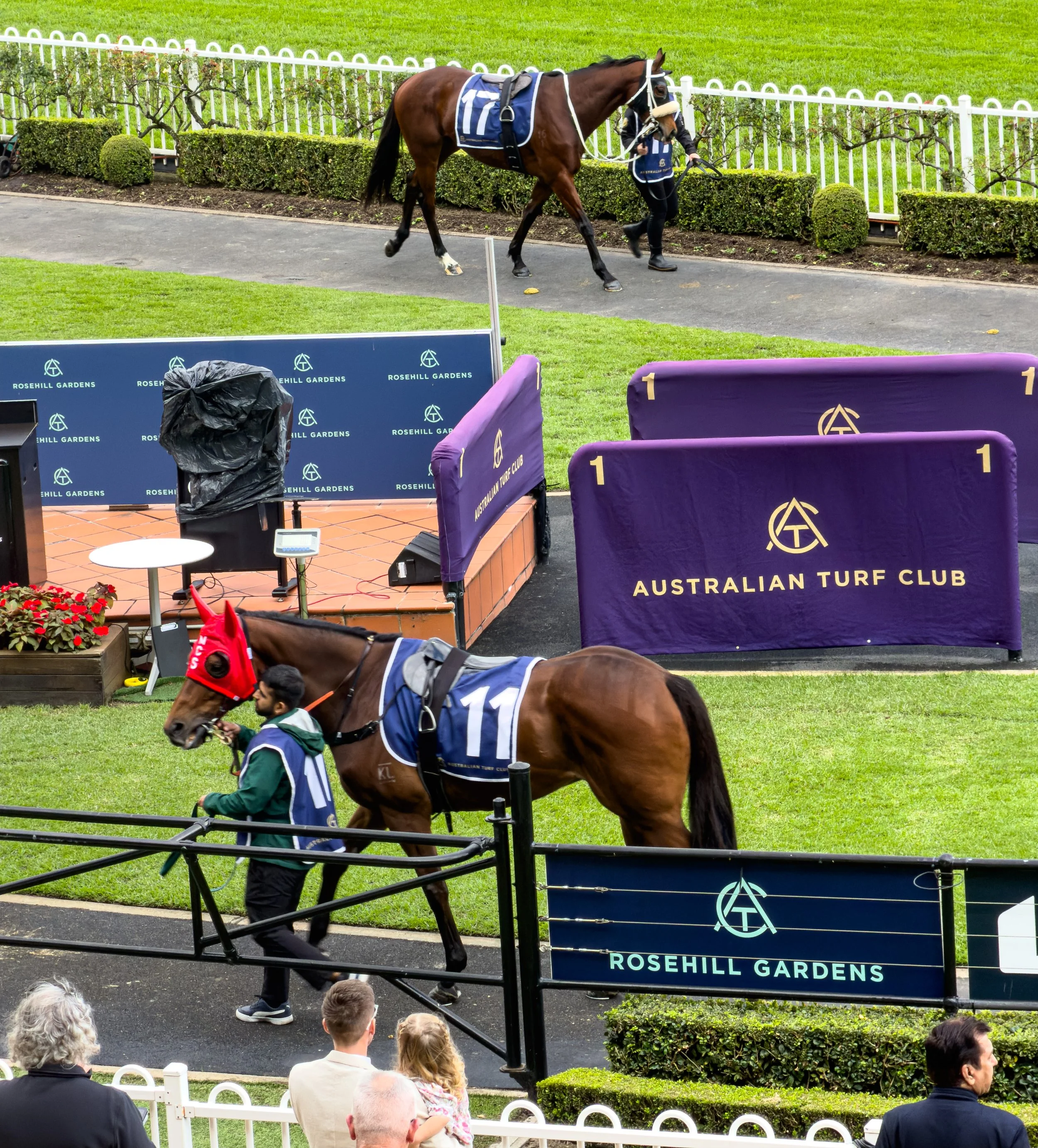
Racing crowds are an odd, fragmented tapestry: old-timers bent over form guides, owners and syndicate members vibrating with nervous energy, dressed-up party groups, and families making a day of it. Then there are the people working: tote operators, bar staff, caterers, cleaners, security, police, trainers, stablehands and officials. Nearly everyone seems to have a purpose—a horse, a ticket, a shift, a table, a responsibility. I found myself wondering how many others had come, as I had, simply for the experience: to spend a winter Saturday among it all, with no real stake beyond the racing itself.
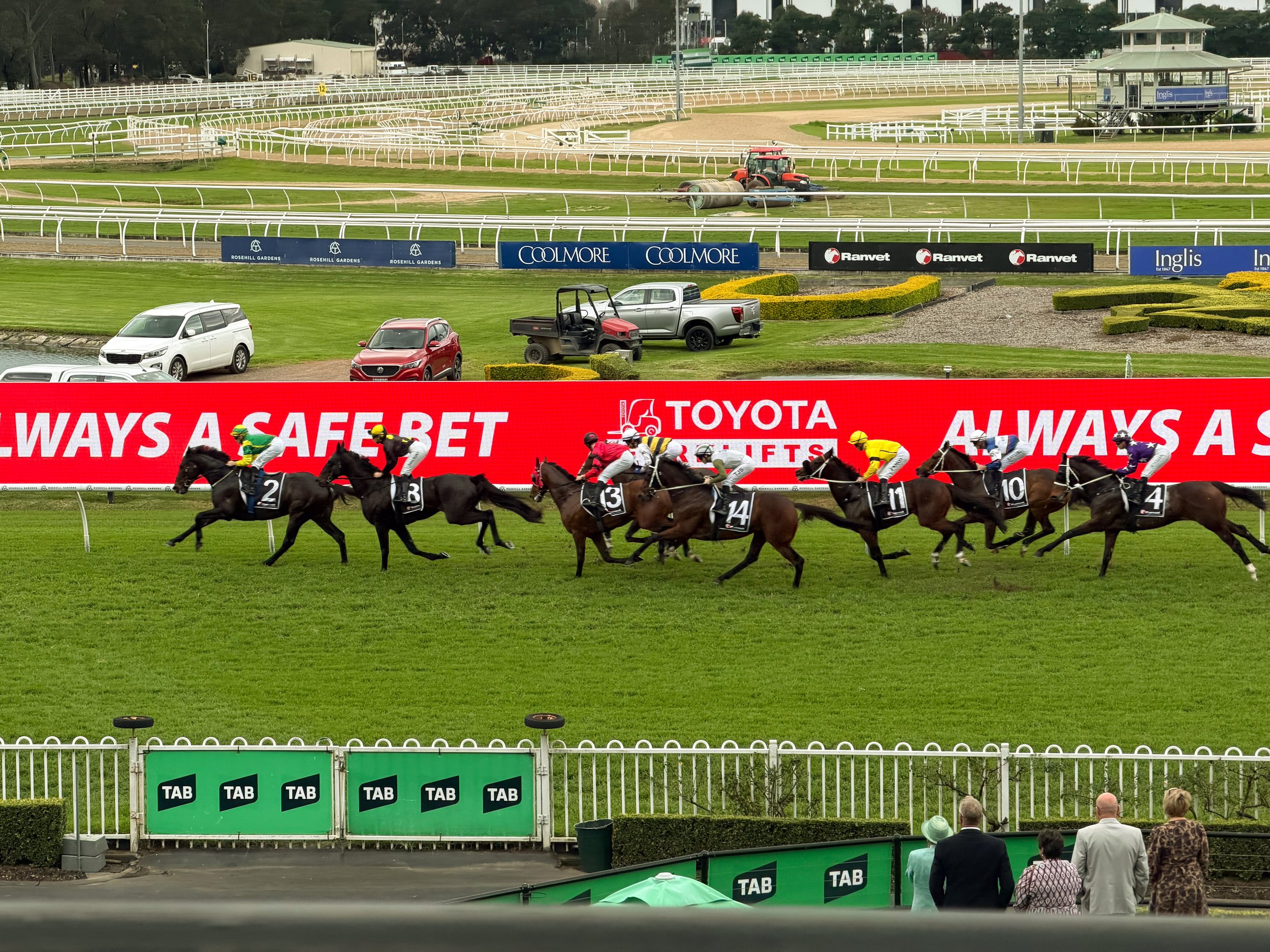
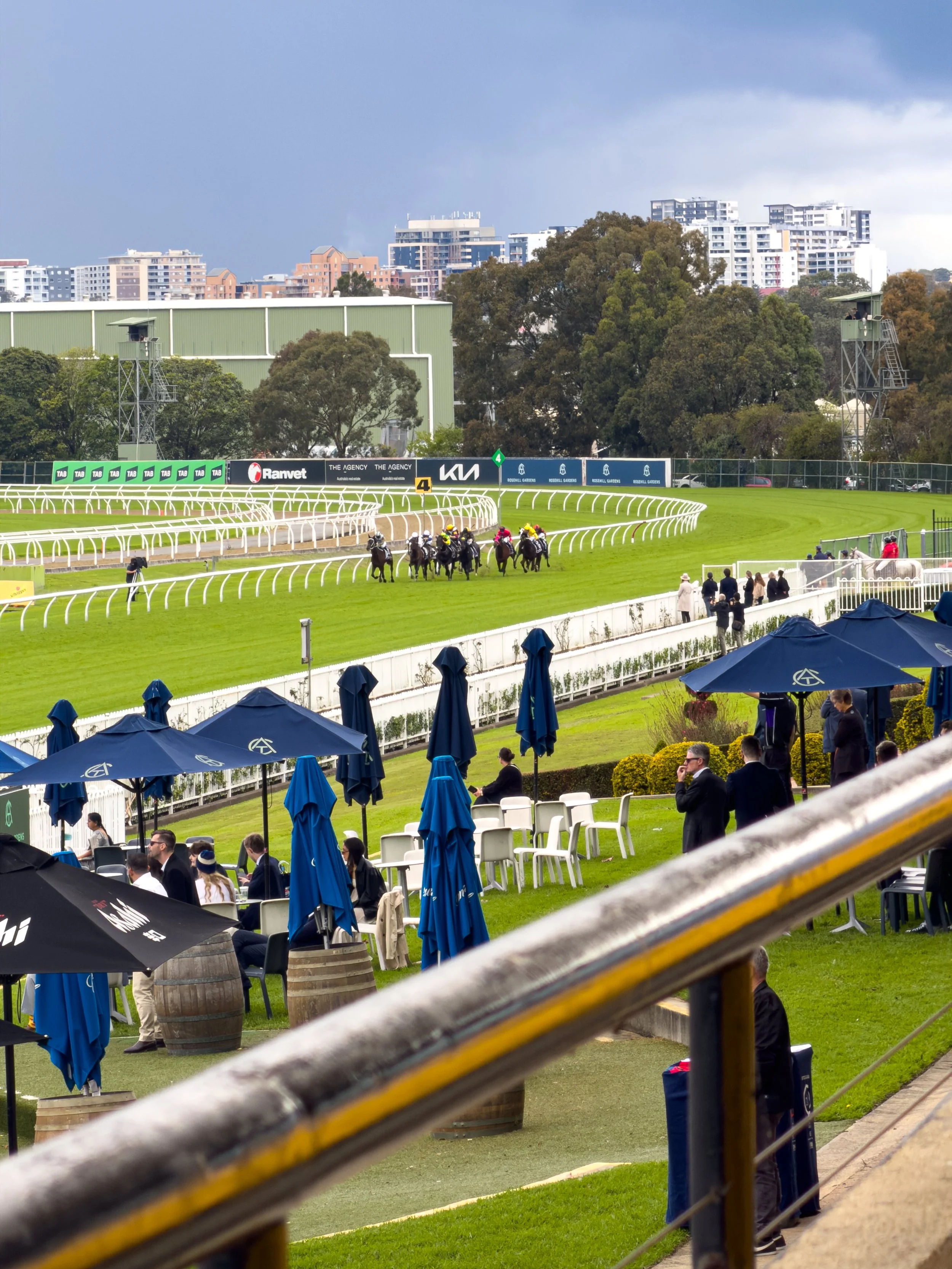
From the lawns, Rosehill looked almost underpopulated. But that is one of racing’s strange features. The visible crowd is only part of it. Most of the audience is dispersed, watching from pubs, clubs, TABs, living rooms and betting apps-plugged into the same brief bursts of anticipation as the horses turn for home.
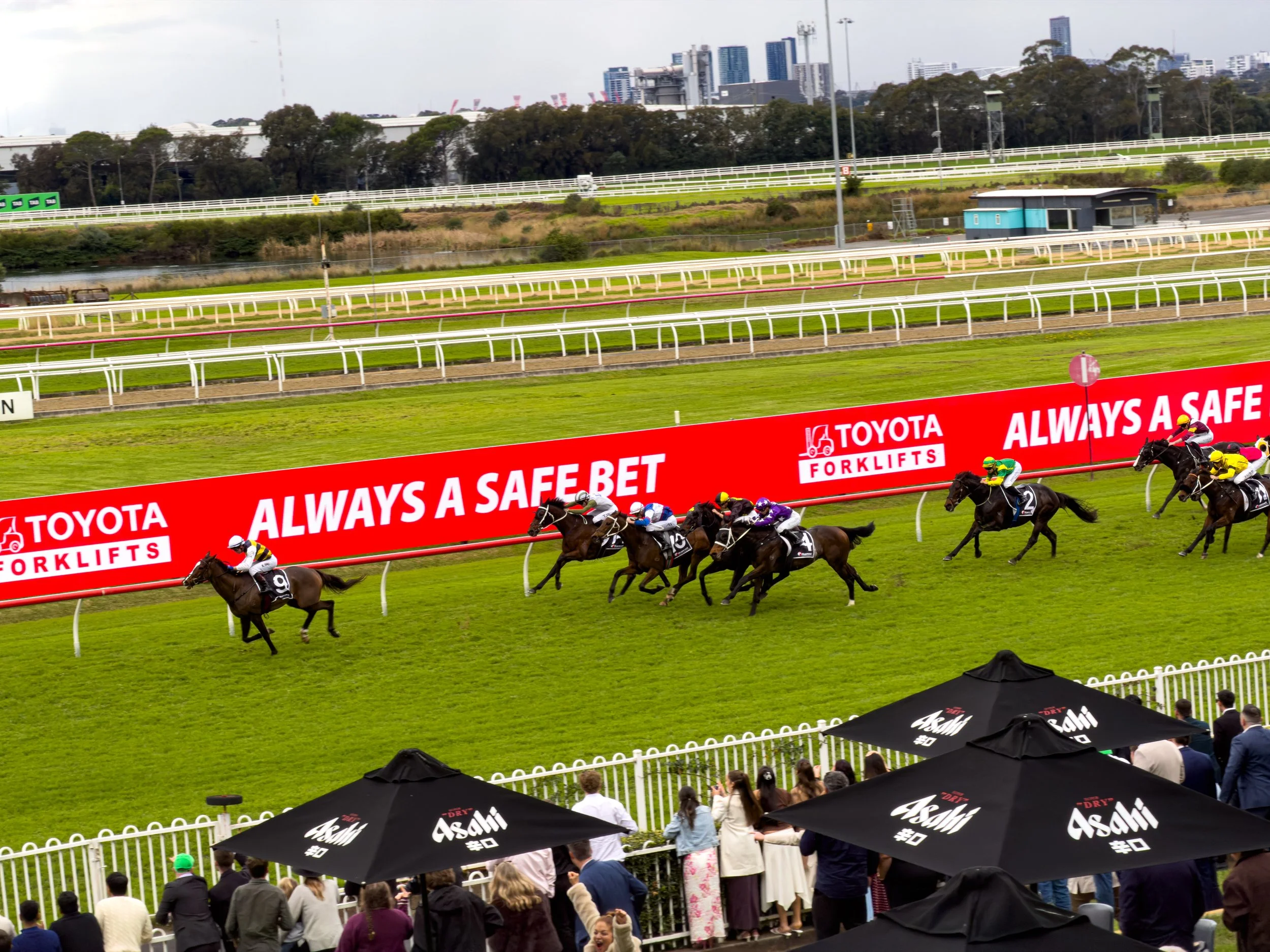
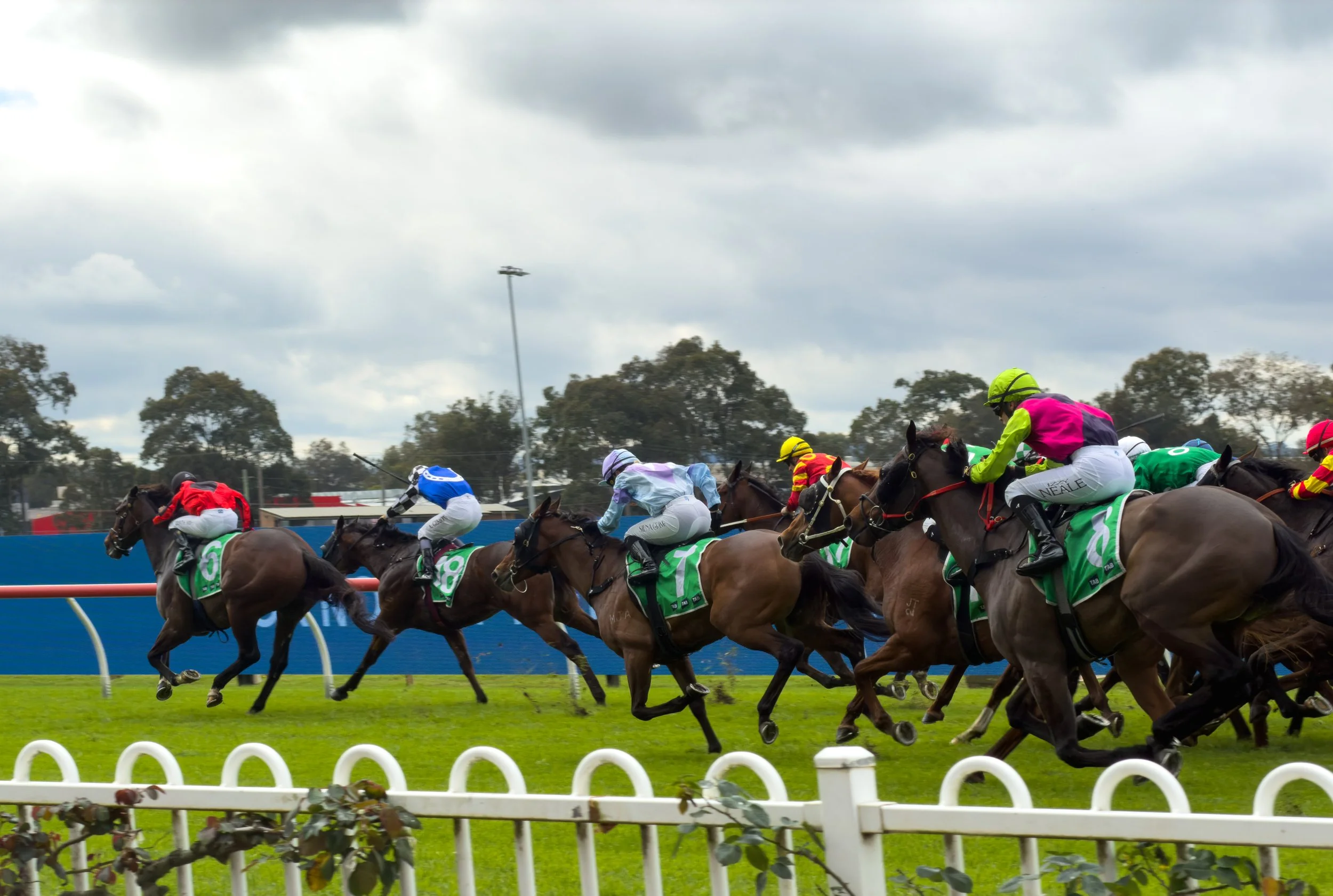
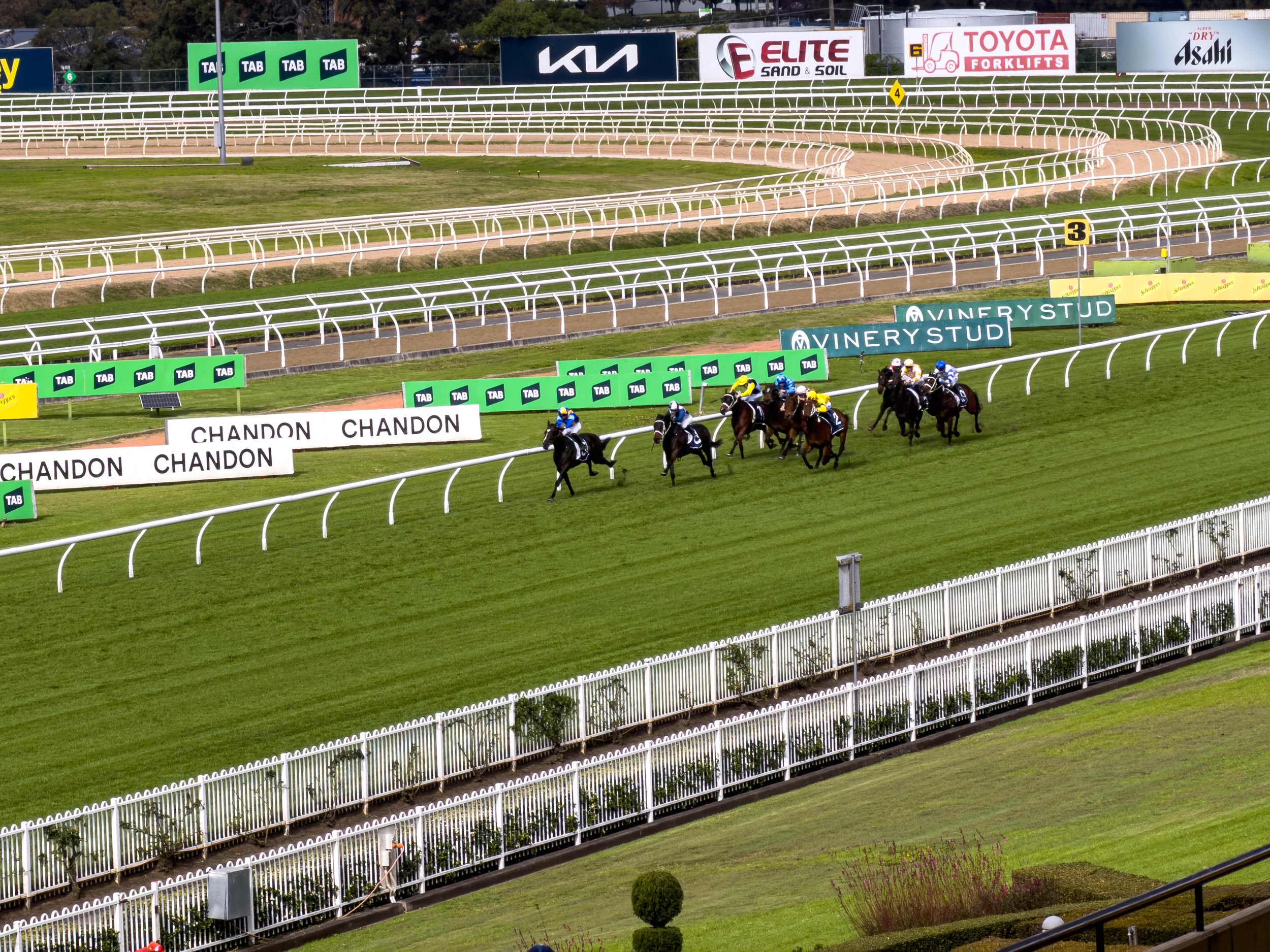
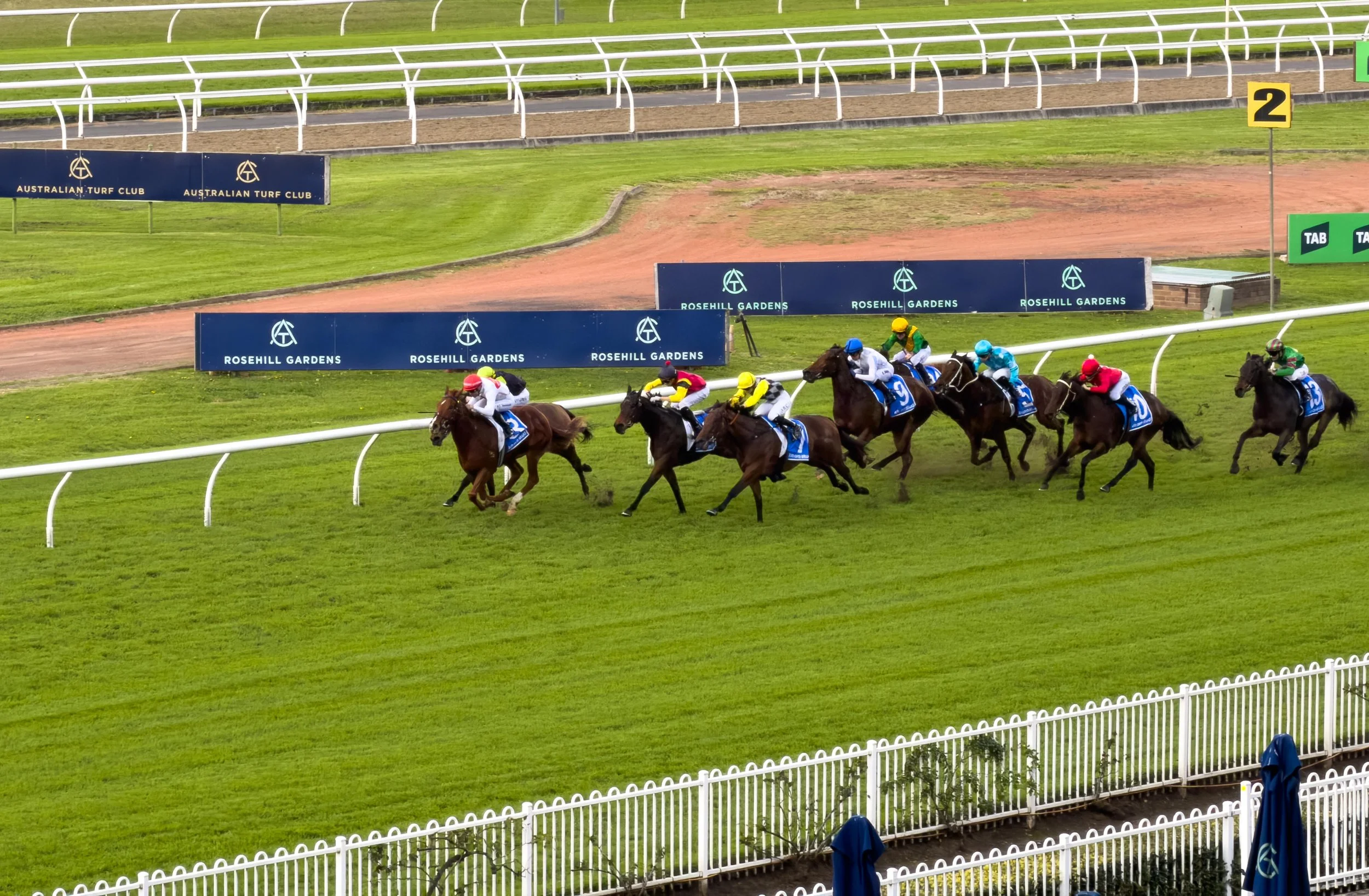
Yet the on-course noise is unlike a football crowd. It is smaller, more scattered and far less unified for most of the afternoon. Each race gathers its own pockets of private hope: owners watching their colours, punters needing a result, friends backing the same horse, strangers studying the board one last time. Then the field turns for home, and all those separate interests suddenly compress into one sharp, desperate roar. It does not last long, but it has an intensity that a larger stadium crowd often cannot match.
My own plan was deliberately simple: a $100 bankroll, split across ten races. Ten dollars per race. No topping up. Cash out at the end.
That was the actual method. Everything else was theatre.
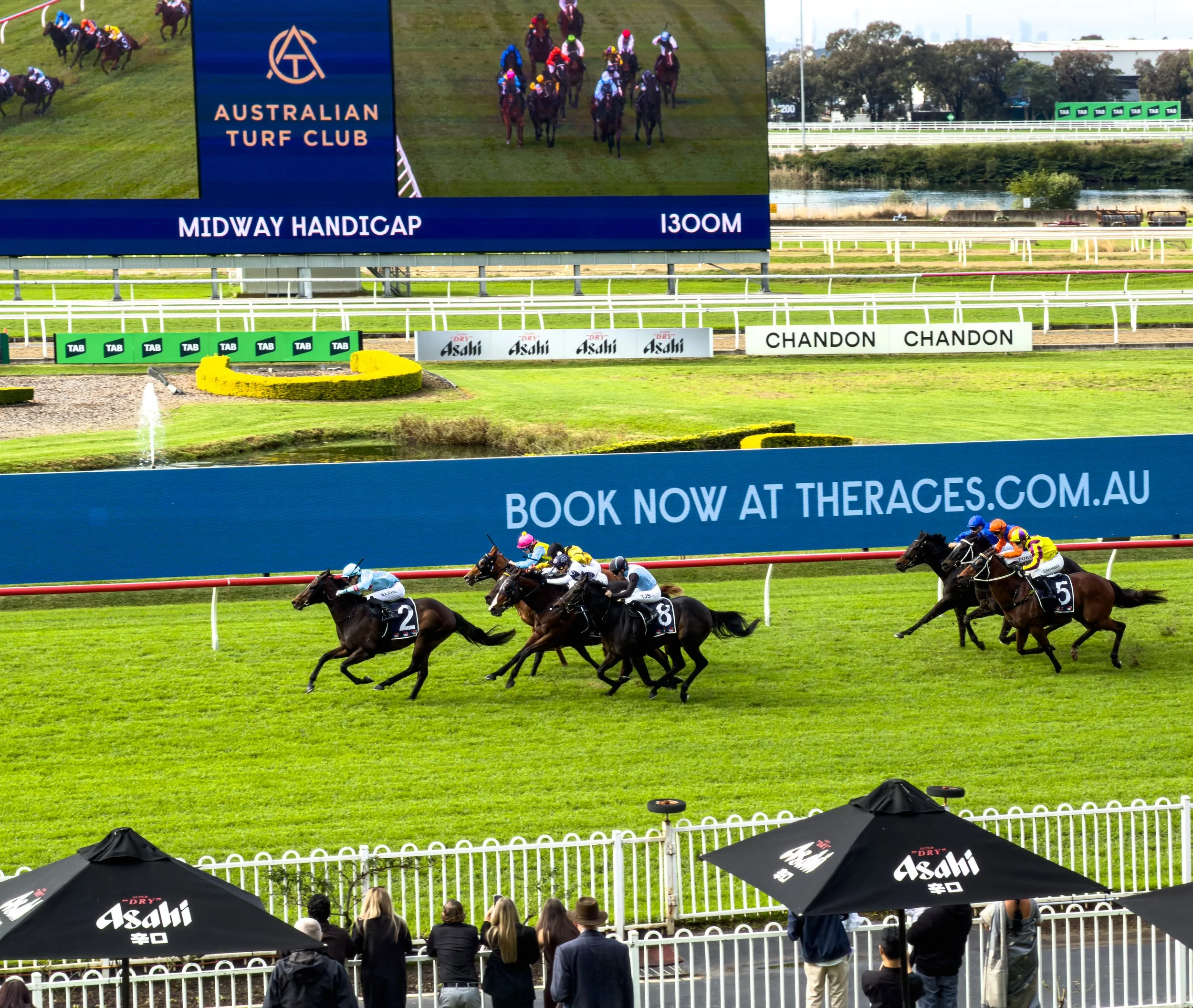
In the opening Midway Handicap, a familiar name jumped off the page: Cold Brew. I had backed her on my previous visit and lost money, but she was favourite this time. More importantly, cold brew is my preferred coffee.
I asked my AI companion for a sensible approach. It recommended the clean, logical option: ten dollars to win.
Instead, I ignored it and put five dollars each way on Cold Brew because I recognised the horse and liked the name.
It won.
The AI had suggested the more rational bet. The coffee logic had supplied the horse. Cold Brew won, and I was ahead after one race.
For the TAB Highway Handicap in race two, I used a slightly more calculated AI-assisted approach. It was not sophisticated modelling, and it certainly was not genuine form expertise. It was a quick interpretation of market position, recent results and a few basic filters. The horse won. After two races, I had $136 in my pocket.
That is where racing begins to get dangerous.
When you are ahead early, your brain starts inventing ways to turn a small success into a bigger one. A thought briefly arrived: should I throw the winnings on New Zealand to help clear a World Cup result later that night?
No. Stay the course. Ten dollars per race.
I retreated to a designated “quiet area” between the ground-floor betting ring and the upstairs indoor seating. The grandstand design meant the noise from below travelled straight up, making it anything but quiet, but it was warm enough to regroup.
The food, however, was poor. Not merely expensive—which is expected at a racecourse—but genuinely disappointing. It stood in baffling contrast to the coffee, which was excellent despite its premium price. Later, a couple of members told me the food in their section was worse. Rosehill has a catering problem. Next time, I will pack lunch and spend my money only on coffee.
Race three was a sentimentality trap. I backed a horse that had won for me at my previous meeting. It lost. Lightning, predictably, did not strike twice on a rain-affected Rosehill track.
For race four, the Irresistible Pools and Spas Handicap, I tried a more disciplined approach: two market leaders, five dollars to win on each. It was not elegant, but it was clear. One of them won. Three winning races from four, and the bankroll rose to $131.67.
Race five brought a different temptation: trying to identify the horse that simply refused to run badly. I stripped away the glamour runners and focused on a mare with an unusually consistent placing record—only one finish outside the top four in her career.
With 150 metres to go, she looked beaten. She was buried behind runners, fifth or sixth and with work to do. But she kept grinding, found room late and ran into third. The place dividend pushed the bankroll to $147.67.
Five races down, four returns collected.
It was incredibly easy to see how people get swallowed whole by the rhythm of this game.
Mid-Day Bankroll Tracker

Started: $100.00
Peak after Race 5: $147.67
Current position: comfortably ahead
By race six, the Ranvet Stayers Cup, I gave the AI a messy mix of prices, form and distance information and asked it to rank the field. It suggested a runner slightly outside the main market. Only after placing the bet did I check the actual form: solid at the distance, comfortable on softer ground, and credible enough to justify the choice.
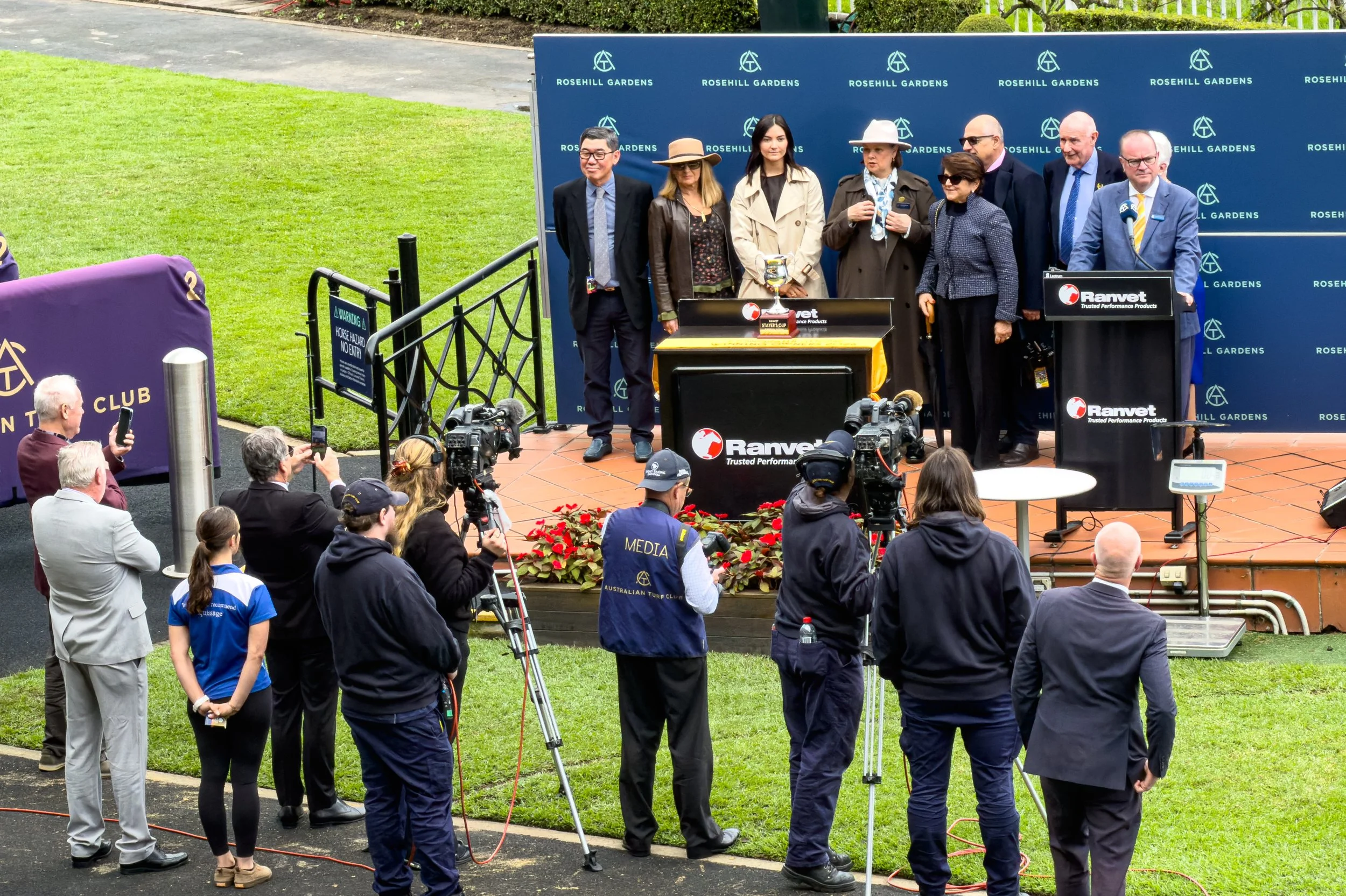
The winner was too strong, but my pick held second. Another place dividend. Five returns from six races.
At that point, it was tempting to believe a system was emerging.
Then the weather turned colder.
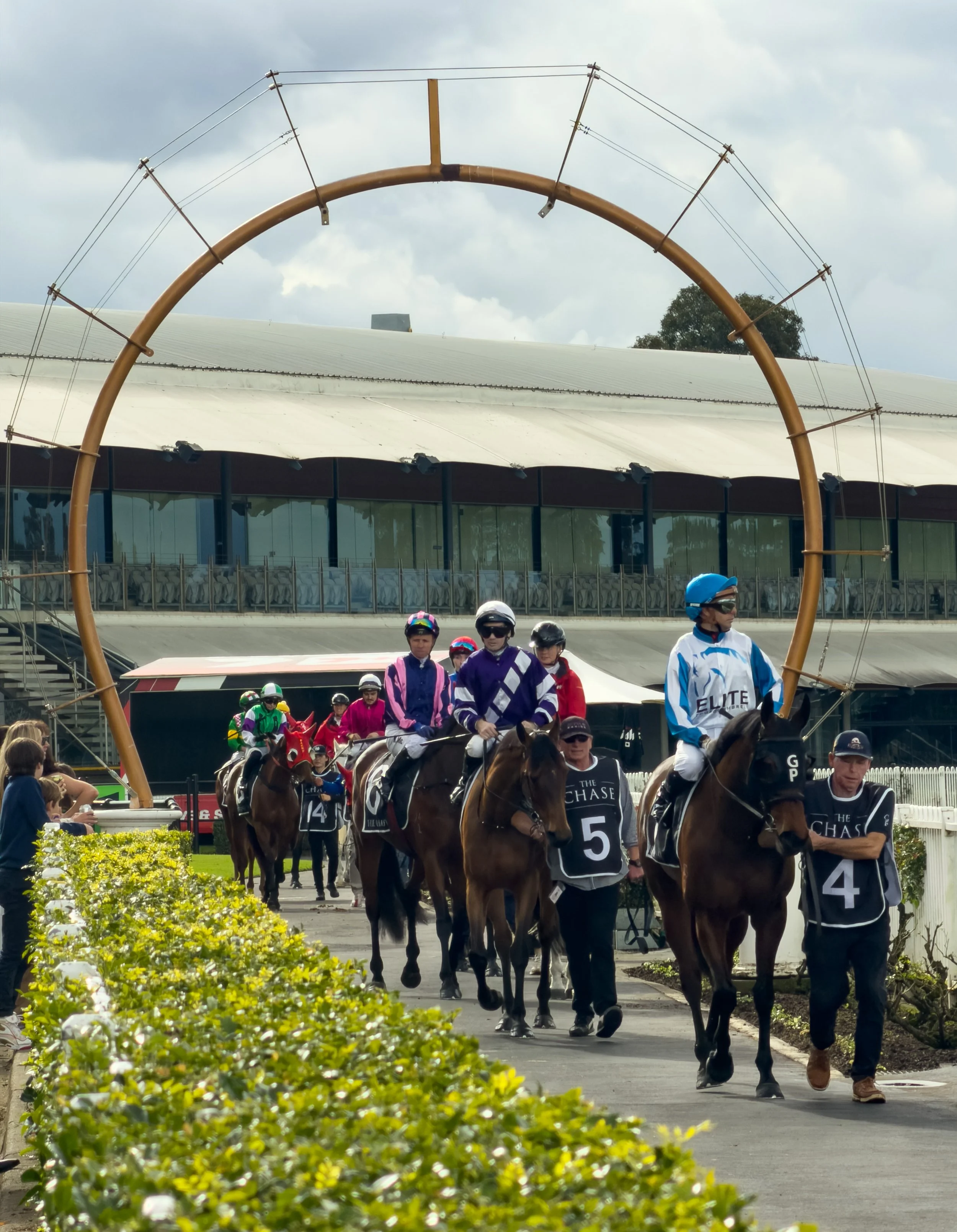
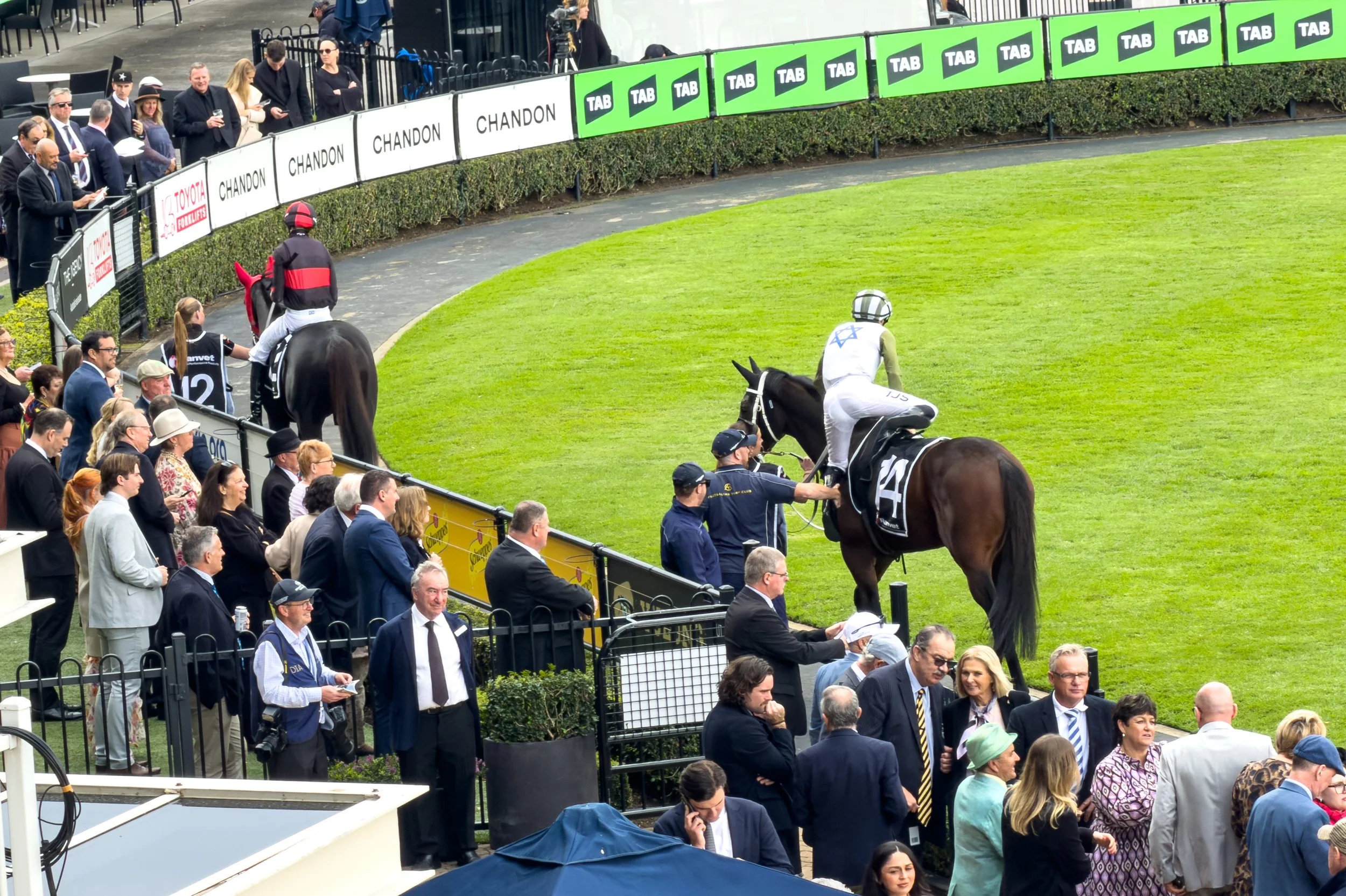
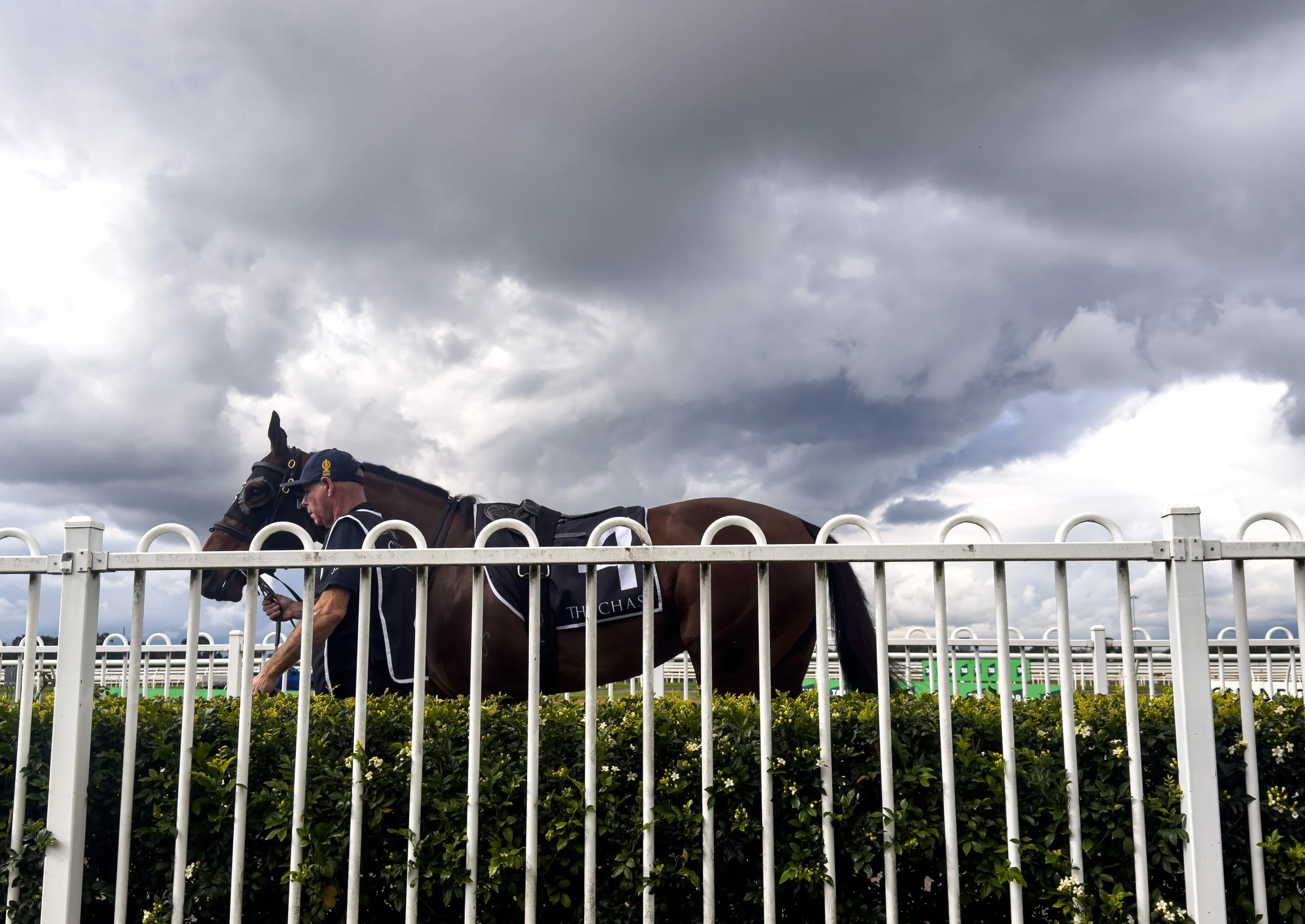
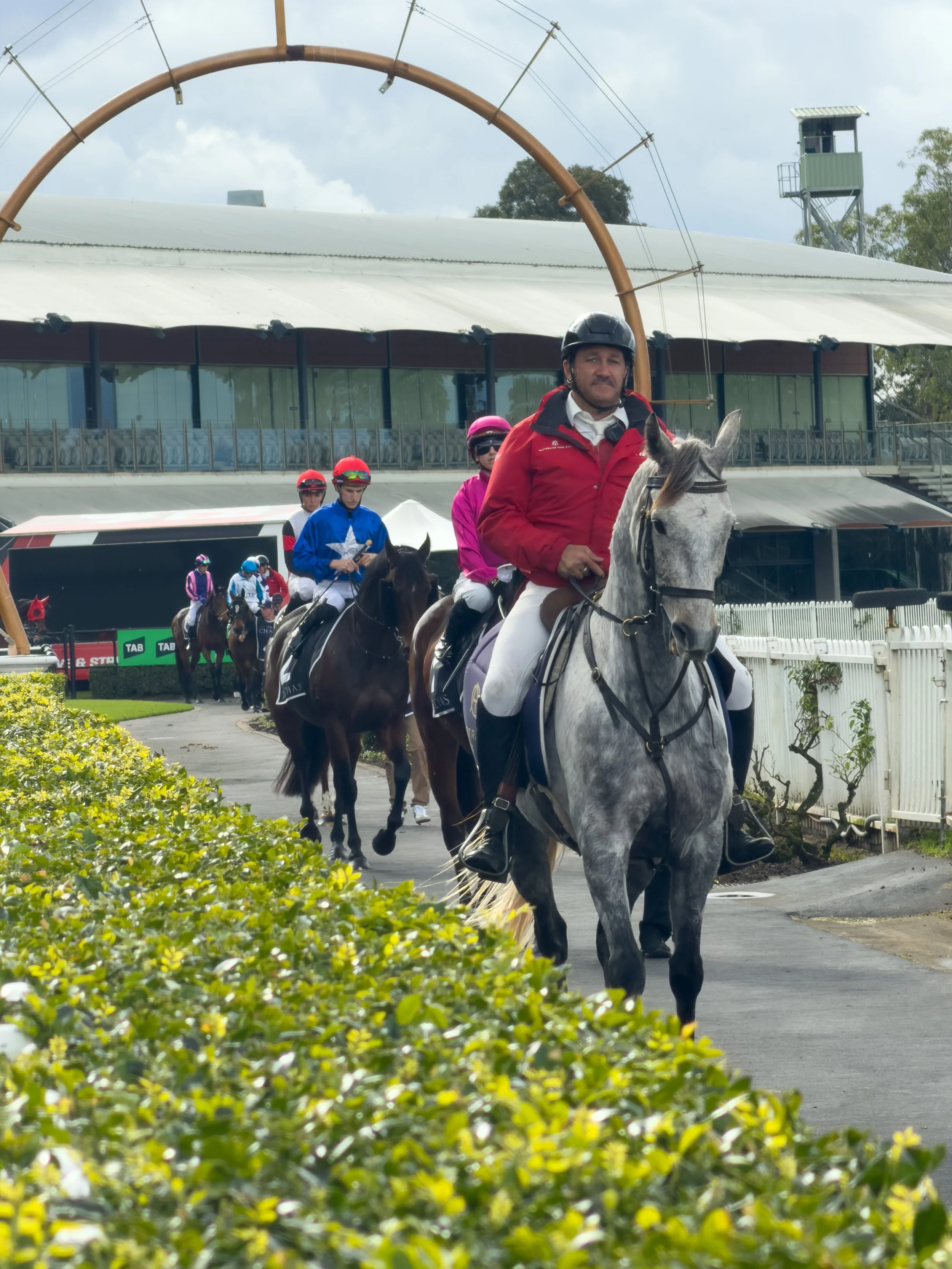
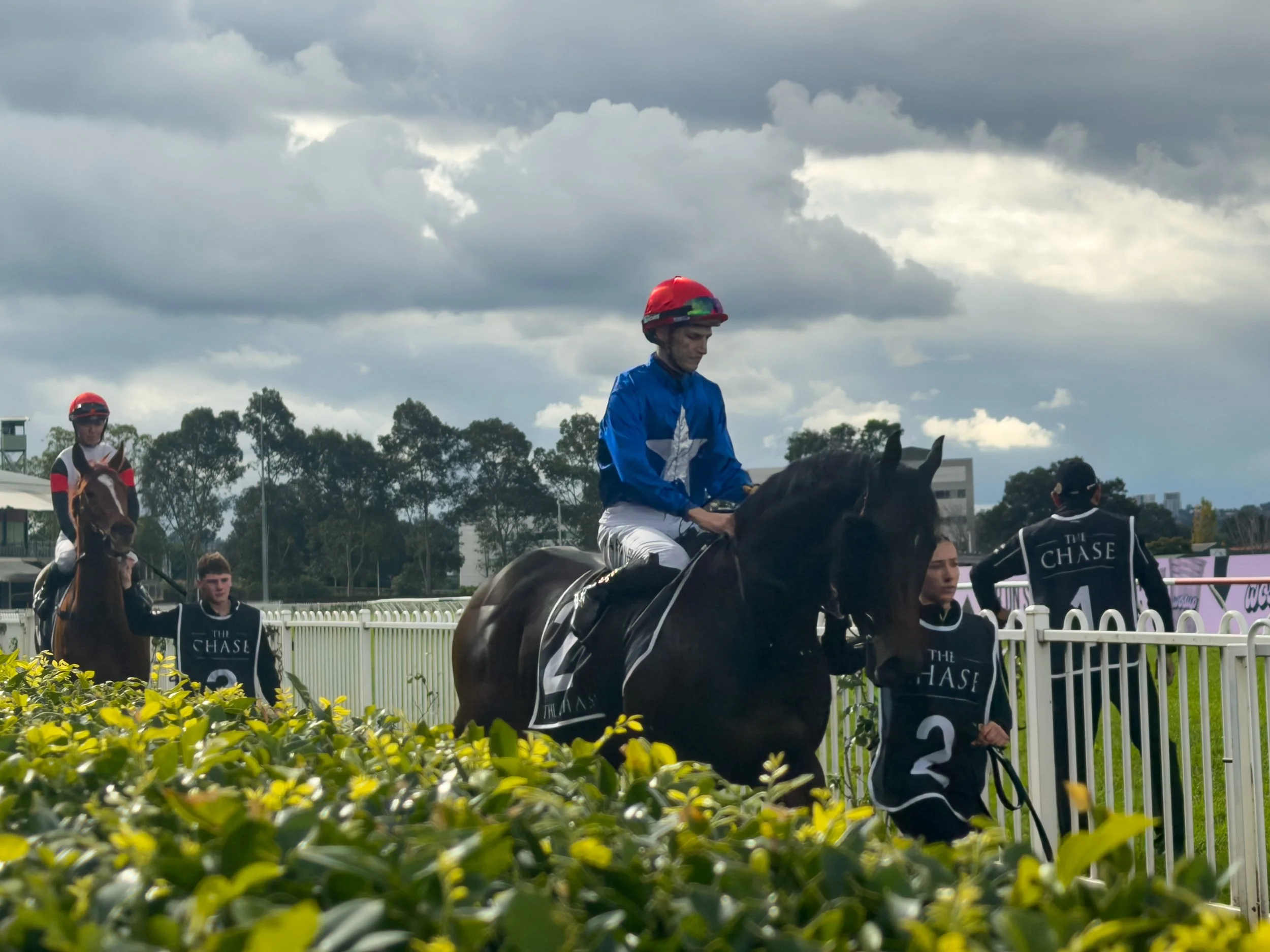
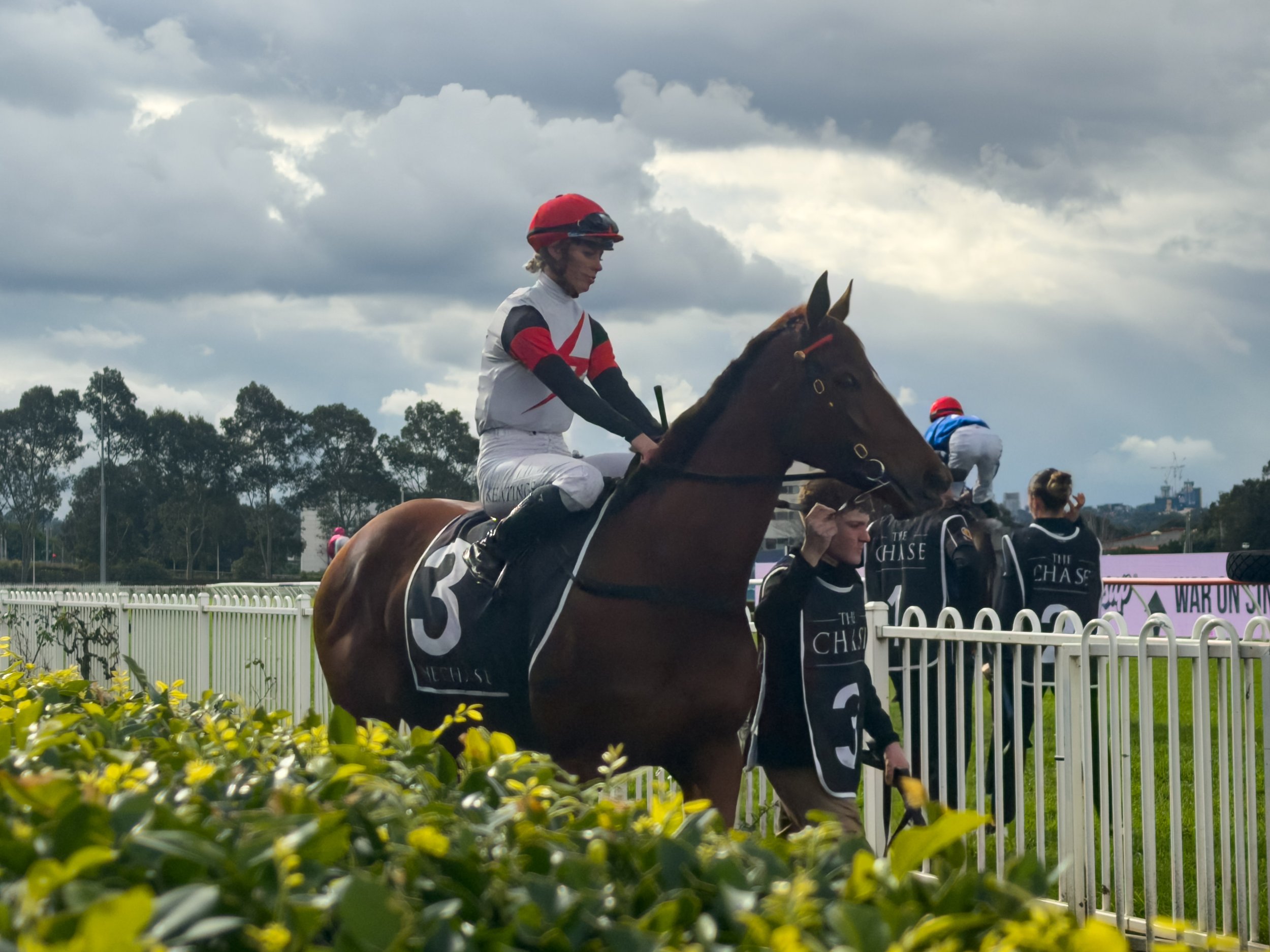
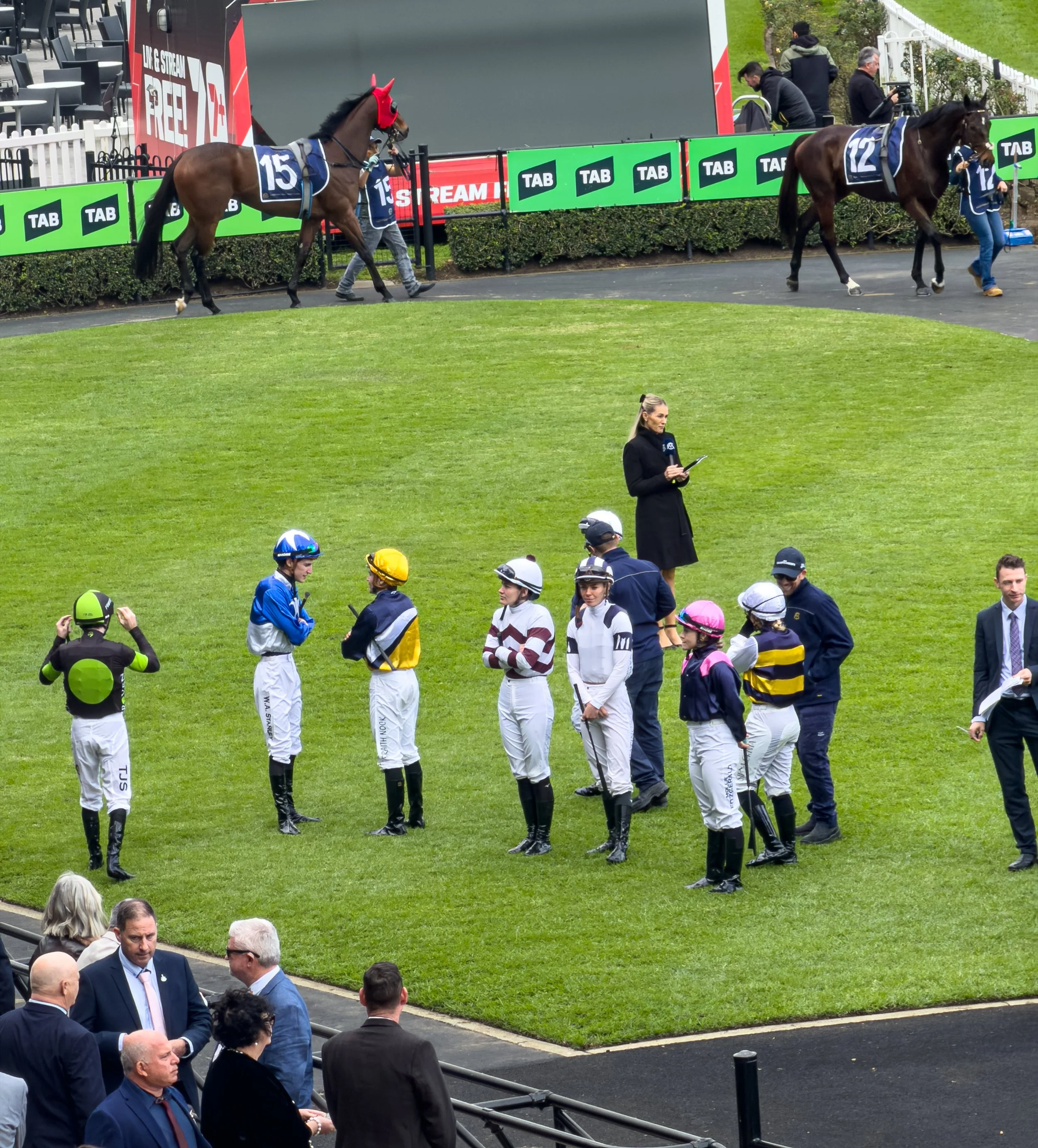
As the horses paraded for race seven, the southerly swept across the course. A heavy grey curtain of rain sat over southern Sydney in the distance, but somehow the worst of it avoided Rosehill. My betting luck did not enjoy the same protection.
I returned to the dual-favourite strategy: five dollars to win on each of the two favourites. Neither finished remotely close. Ten dollars gone.
For the feature, the TAB W. J. McKell Cup, I tried the same approach again. Another $5 win bet on each of the two market leaders. Another loss.
The system was promptly exposed for what it was: a short run of pleasing results, followed by racing doing what racing does.
During the lull before race nine, my phone delivered updates from elsewhere in the sporting world. The Socceroos had drawn Egypt in the World Cup round of 32. New Zealand’s heavy loss to Belgium had helped shape the group standings, and the usual football mathematics had begun.
At Rosehill, the temperature continued to drop. The crowd either retreated into the glass-fronted stands or headed home. It raised a familiar winter-racing question: do you dress for the glamour the sport sells, or for the weather you are actually going to endure?
I have done both. Casual clothing is plainly more practical in June, but it takes something from the theatre of the day. The thought occurred that a corporate box with twenty friends might be worthwhile—but in spring or autumn, not while a southerly is cutting through a wet grandstand.
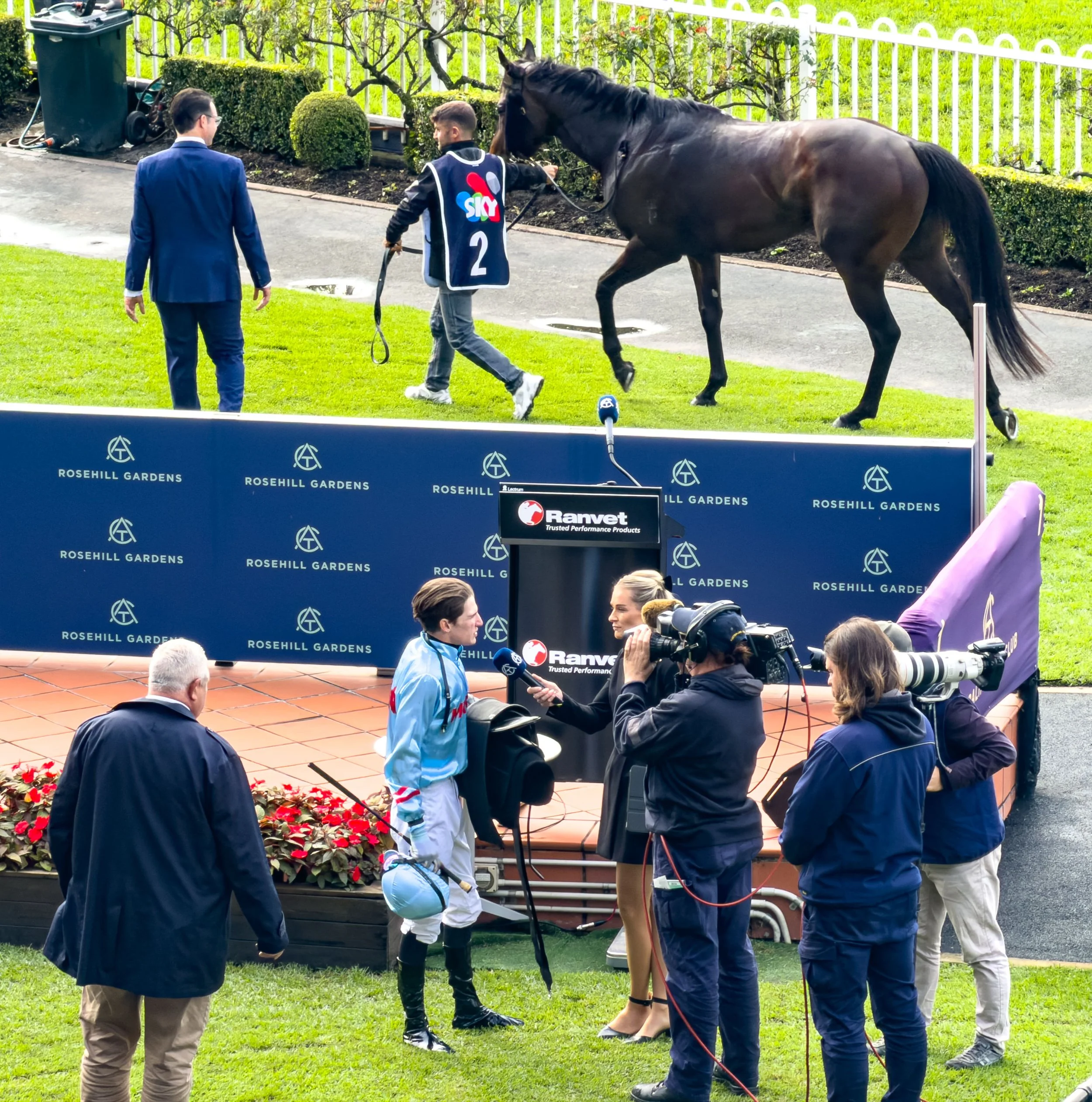
For race nine, I abandoned the machine and followed the trackside commentator’s tip, backing it each way. The race was won by a $19 outsider. Near the members’ rail, a small cluster of people—presumably owners, trainers and close friends—lost their minds. They jumped, hugged and shouted in disbelief while the rest of the crowd stood in a sort of stunned silence.
My horse ran fourth: one place short of a standard return.
Three losses in a row.
For the final race, the Petaluma Handicap at 4:30 PM, I gave up on any pretence of strict logic. I split the last ten dollars across two horses, using a mixture of win and place bets. The sky was grey, the grandstand shadows were long, and as the field rounded the final turn, the scattered crowd again found its voice: that short, desperate roar of people needing entirely different things from the same thirty seconds.
One of my runners ran into a place. It did not cover the full outlay on the final race, but it meant I walked out with exactly $114.
I had expected to lose the lot, or perhaps leave clutching one surviving twenty-dollar note. Finishing fourteen dollars ahead was satisfying, but it was not proof that I had found a betting method.
The method had been simpler than that.
Set a limit. Stick to it. Enjoy the small wins. Do not confuse a lucky run with insight. And leave while the day still feels like entertainment.
As the remnants of the crowd dispersed into the dusk, I added a fourth mode of transport to the day: a taxi north to Christie Park, and a completely different kind of suburban sporting passion.