
The Spirit Series
A Saturday at Netball Central
The inaugural Spirit Series at Netball Central brought together four nations for a day of international netball, with the Fiji Pearls taking on the Papua New Guinea Pepes in the bronze medal playoff before Australia’s First Nations Black Swans faced the Singapore Vandas for gold.
It promised a day of quality netball.
What I wasn’t expecting was to leave with a much greater appreciation for the sport itself.
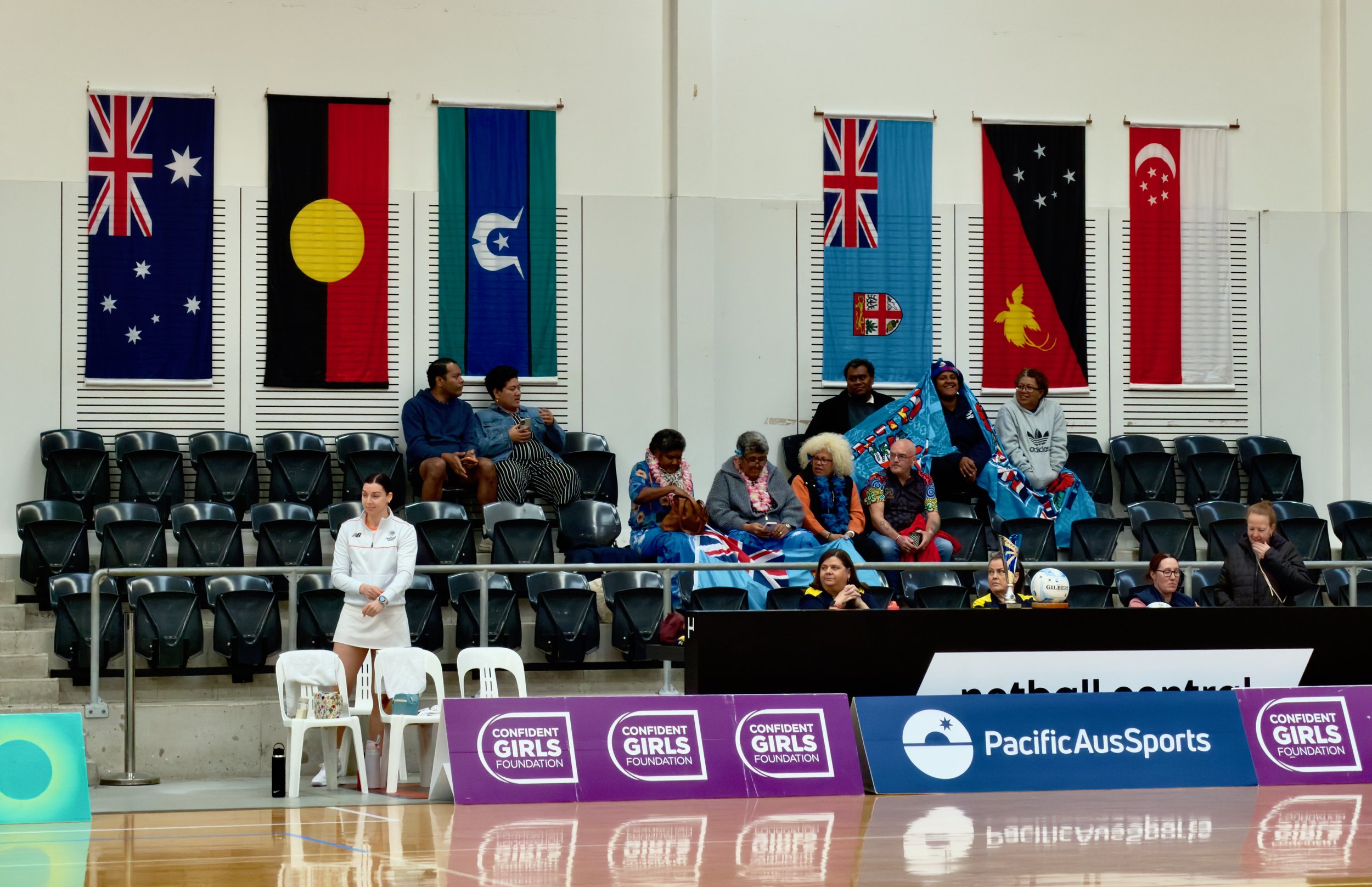
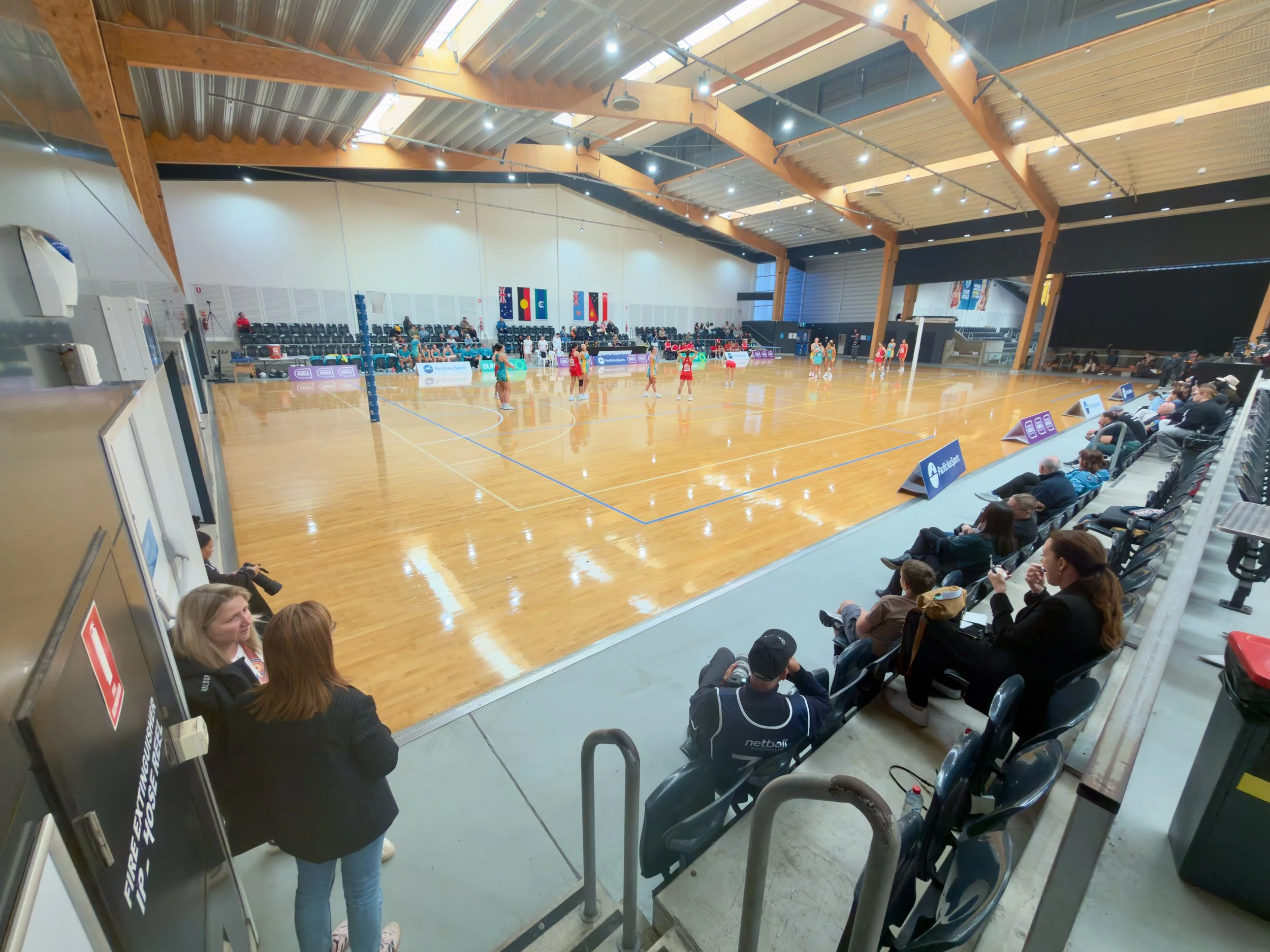
Walking into Netball Central before the bronze medal playoff, I was surprised to find the media contingent almost outnumbered the spectators. It made the tournament feel strangely hidden for an event featuring four international teams. Most people appeared connected to the teams in some way, family, friends, officials or volunteers, rather than simply being sports fans who had turned up to watch.
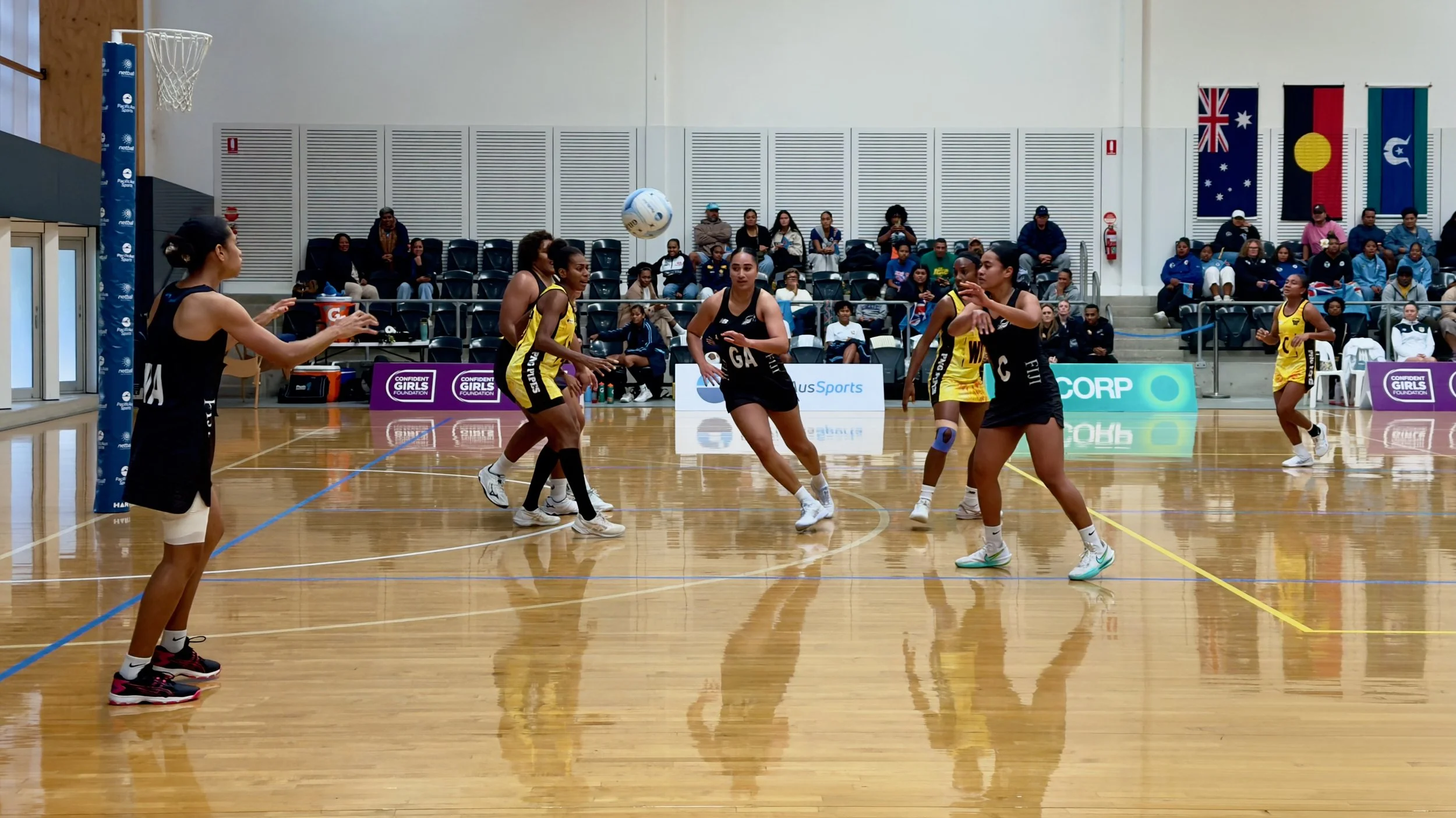
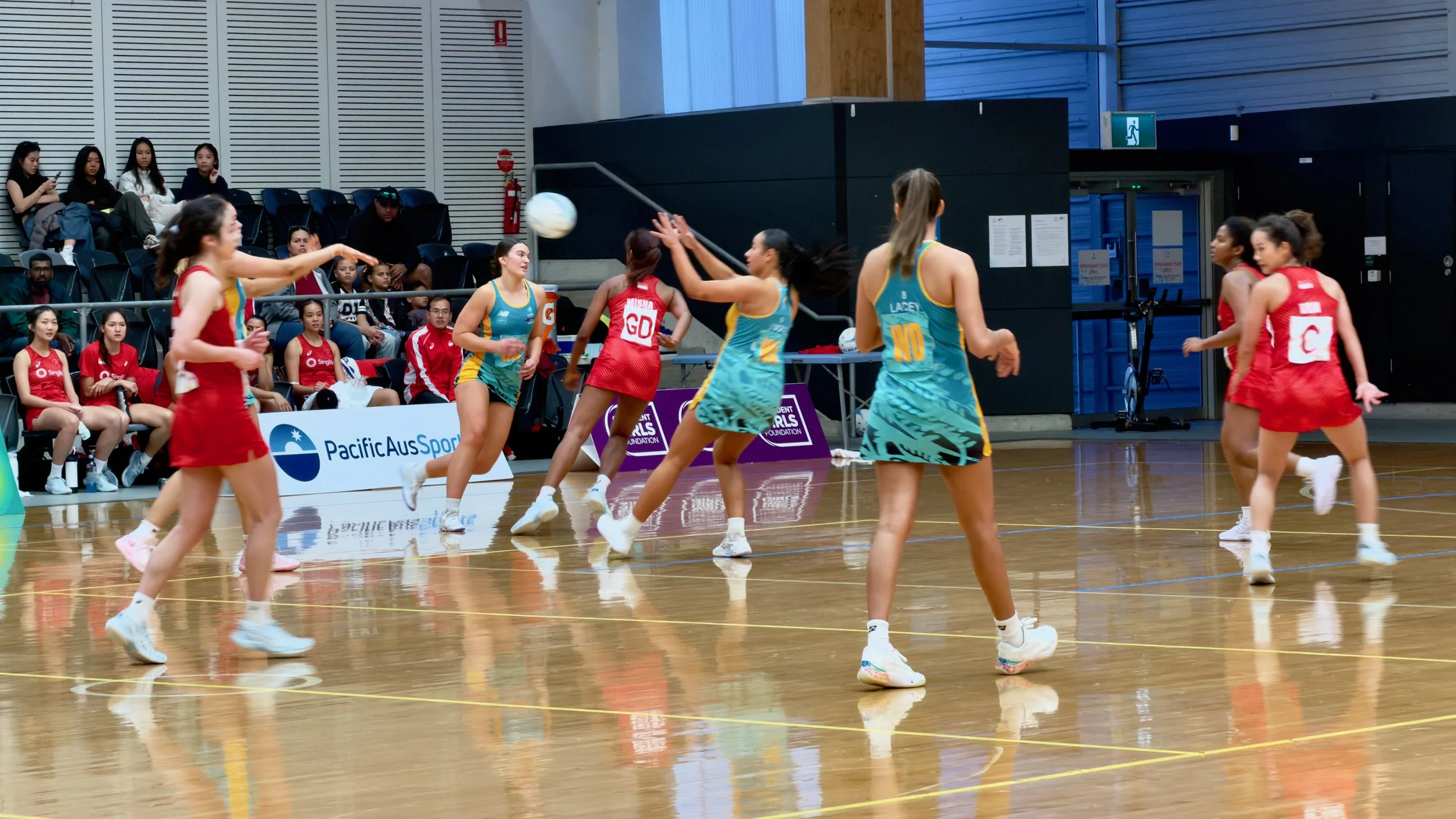
The move onto the secondary court unexpectedly made the experience even better. The grandstand was only a couple of rows deep, and my seat was barely five metres from the sideline. Every pass, collision and defensive effort happened almost directly in front of me, and on several occasions the ball left the court and bounced towards the front row. It isn’t often you find yourself that close to international sport, and it gave me a completely different appreciation for the speed, precision and physicality of elite netball.
That first impression of a quiet tournament didn’t last.
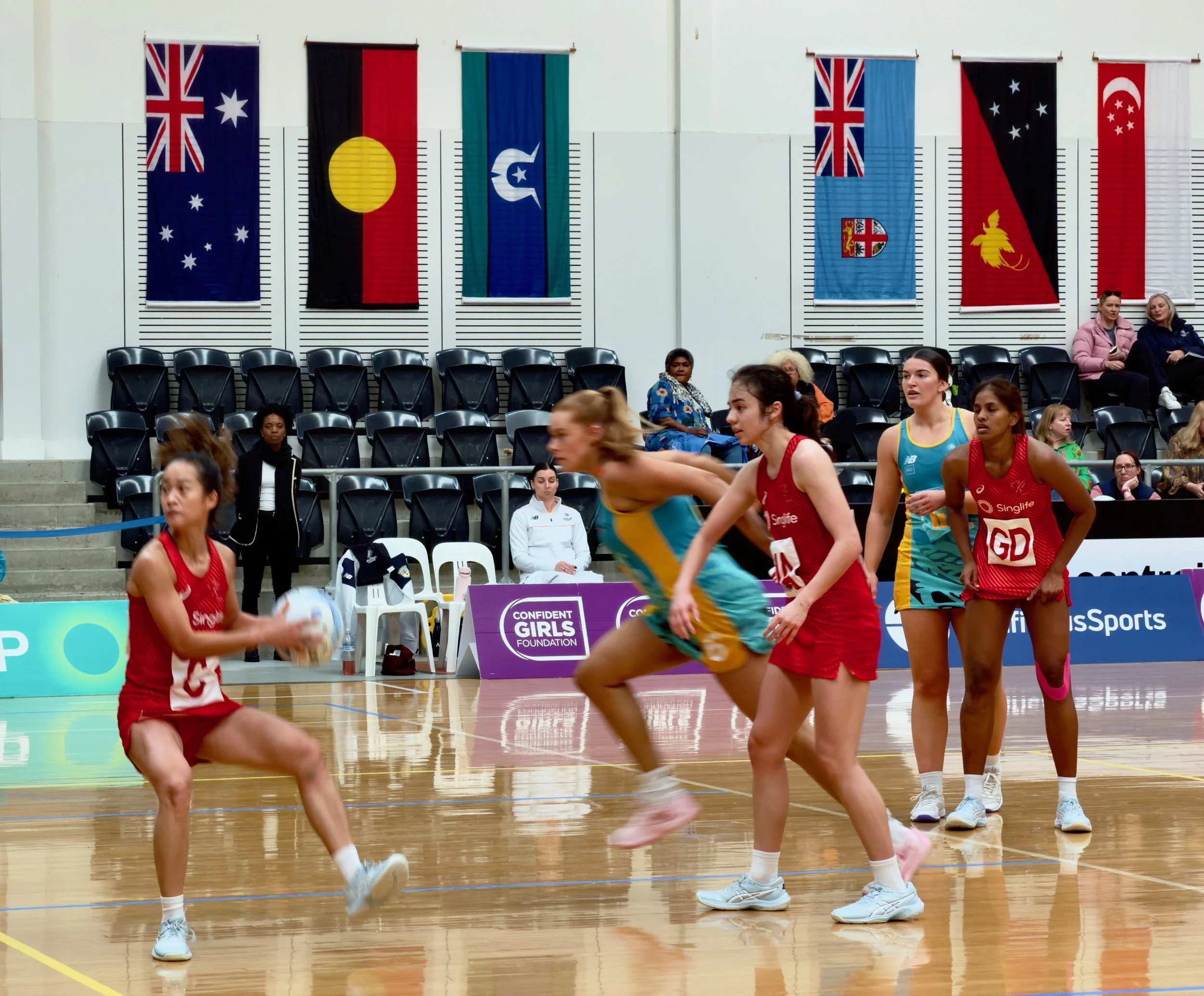
As more spectators filtered in, particularly the Fijian supporters, the atmosphere steadily changed. By the end of the bronze medal playoff there were well over one hundred people around the court, and the singing, chanting and waving of flags had completely transformed the venue. Interestingly, much of that atmosphere departed with them before the gold medal match, a reminder of just how much supporters shape the experience.
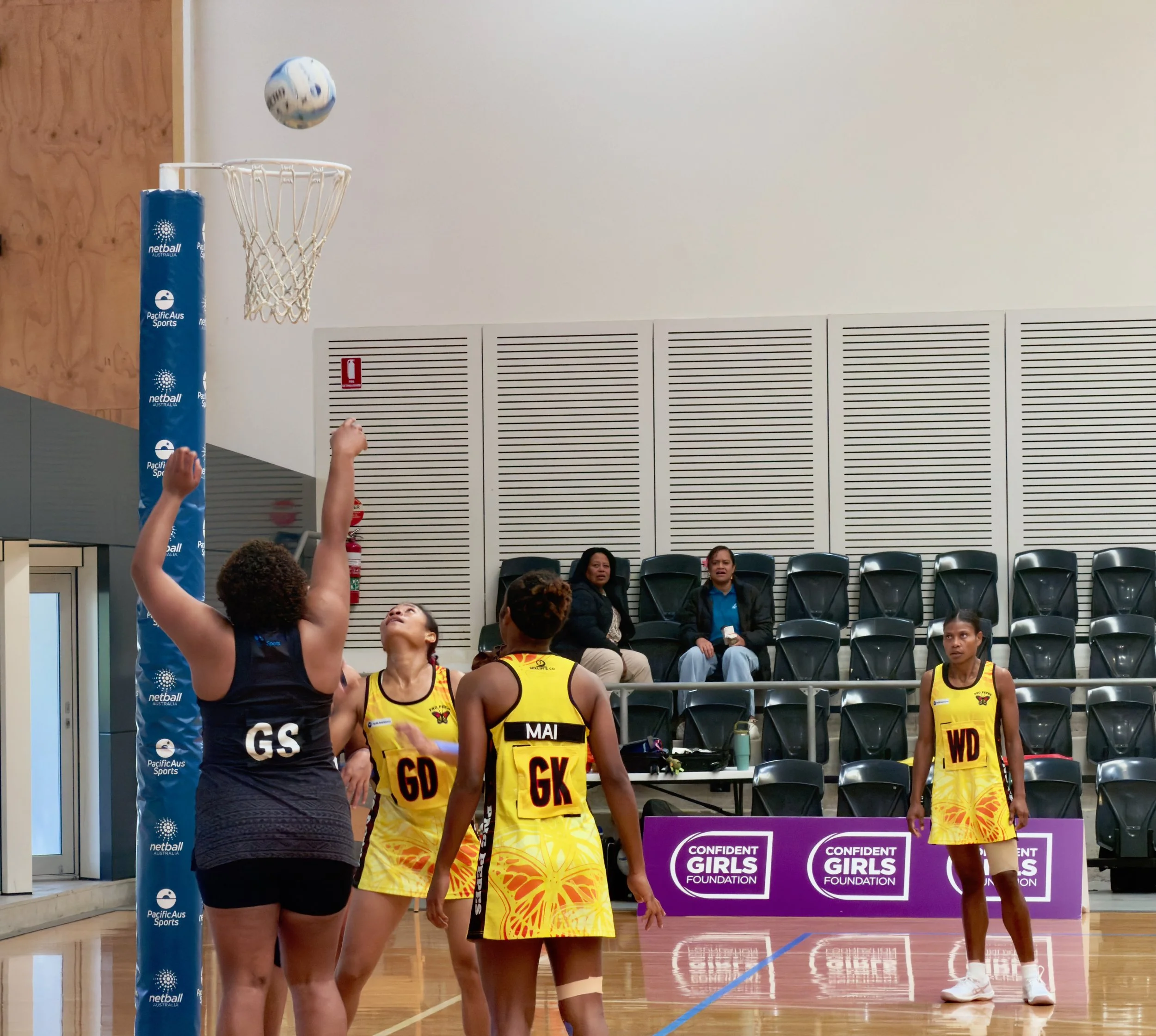
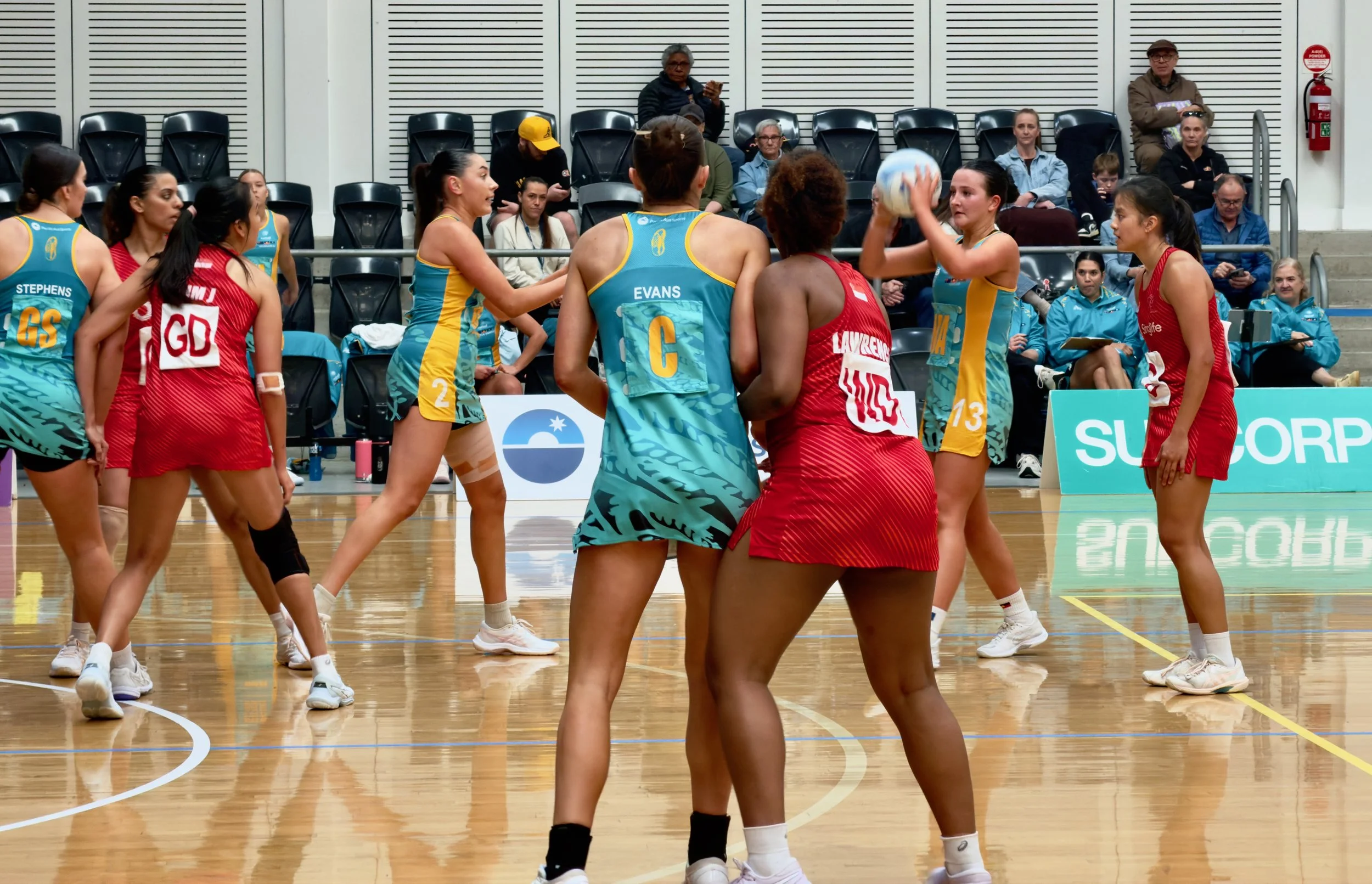
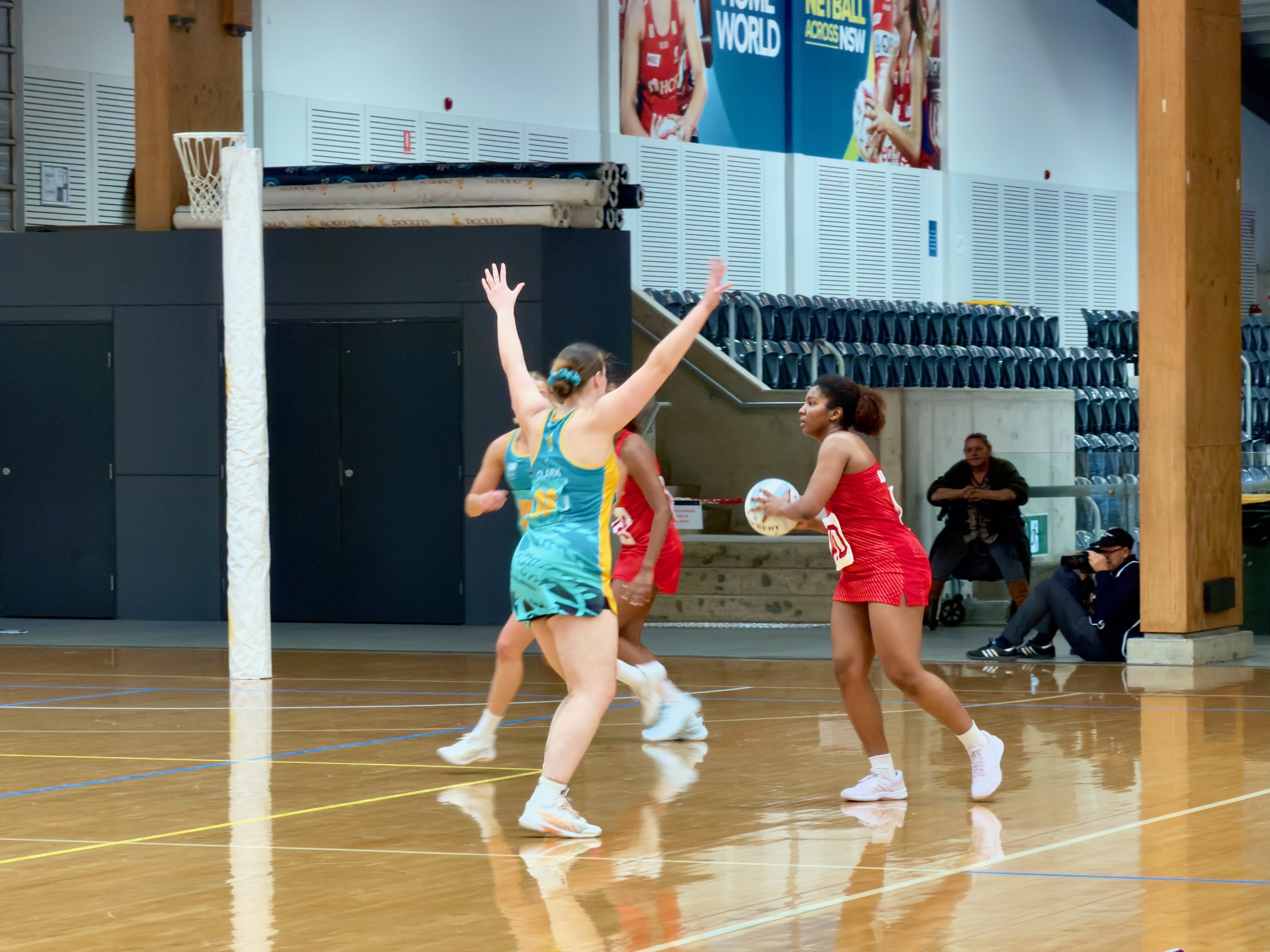
The bronze medal playoff quickly highlighted the contrasting styles of the two teams. Fiji were physically imposing from the opening whistle. Taller, stronger and able to use that presence to create sustained scoring runs, they gradually established control of the match. Papua New Guinea, however, often looked quicker in transition and more strategic with the ball. Despite being physically outmatched, they never stopped competing and continued searching for openings throughout the game.
Watching the two sides also made me wonder how established netball is within each country. Australia has one of the world’s premier domestic competitions, but what opportunities exist for players in Fiji or Papua New Guinea? How many chances do they have to experience international competition like this?
Those thoughts stayed with me as the day progressed.
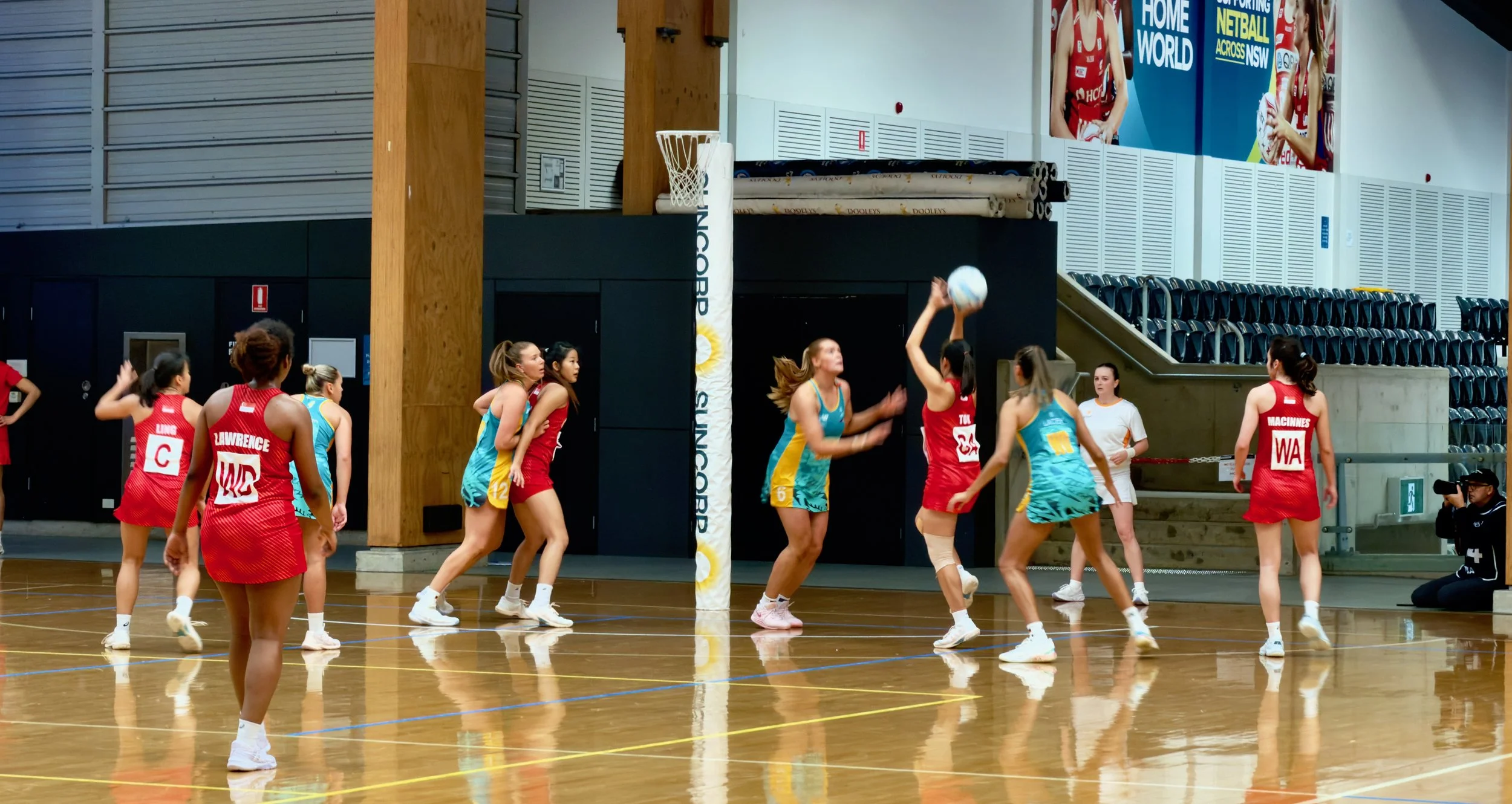
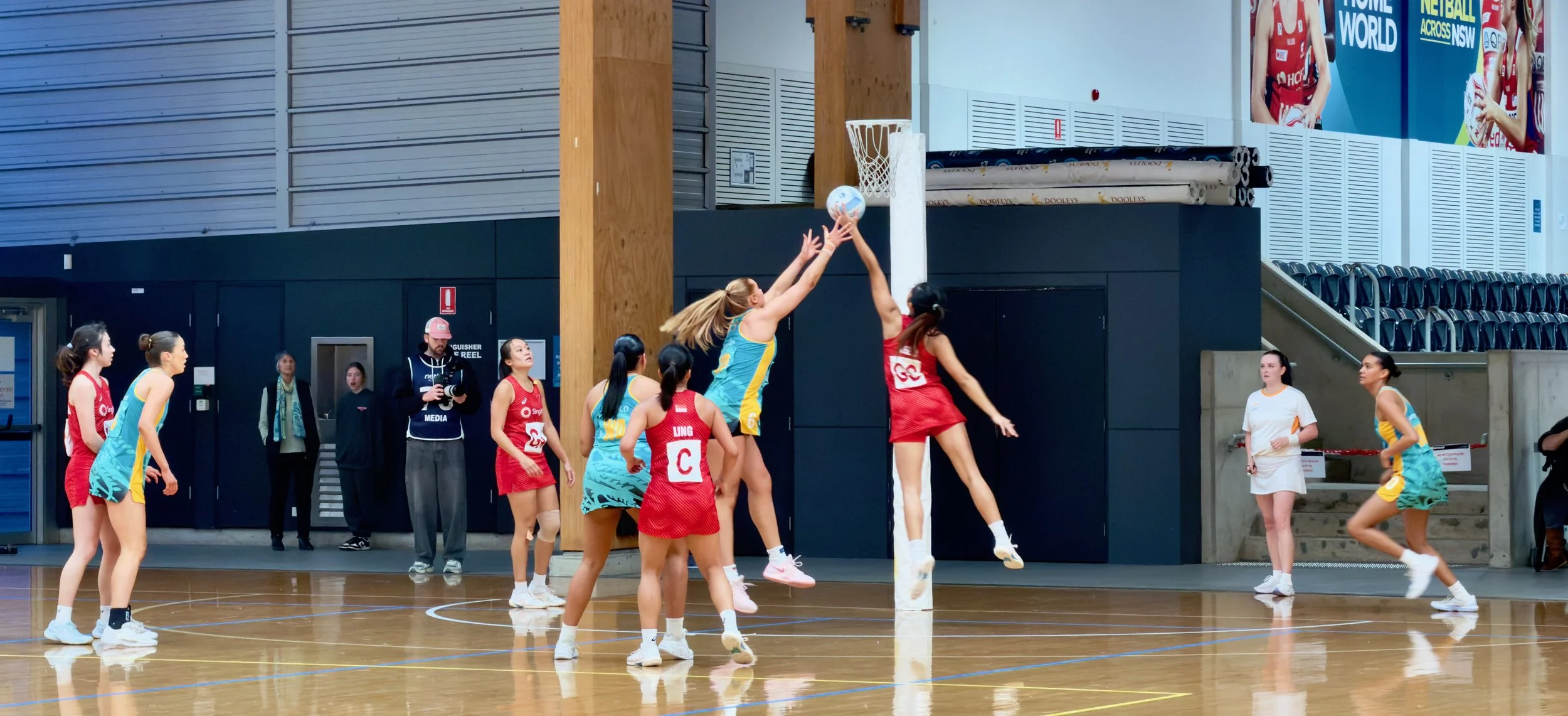
The gold medal playoff between Australia’s First Nations Black Swans and the Singapore Vandas showcased the highest standard of netball I watched all day.
Australia’s physical advantages were obvious, but what impressed me most was their precision.
The best teams don’t simply move the ball faster. They move it earlier.
Time and again, Australian players passed the ball not to where teammates were standing, but to where they were about to be. The anticipation, speed of thought and accuracy of execution separated them from every other side I watched during the tournament.
Watching courtside, I also found myself thinking about basketball. At this level, netball feels like a game built around turnovers. Lose possession, your opponent immediately converts at the other end, and what looked like a promising attacking movement suddenly becomes a two-goal swing. Australia punished those moments relentlessly.
One observation stayed with me throughout the day.
I found myself paying close attention to the referees and wondering whether different competitions, or even different countries, develop different philosophies around officiating. There were moments where a whistle for an extra step or another technical infringement seemed to interrupt the natural rhythm of play. Sometimes those stoppages appeared to create uncontested mistakes that may never have occurred had the game continued to flow. I don’t know enough about elite netball to know whether that is simply part of the sport or a deliberate style of officiating, but it was an interesting observation.
Another contrast that became impossible to ignore was the difference in resources between the competing nations.
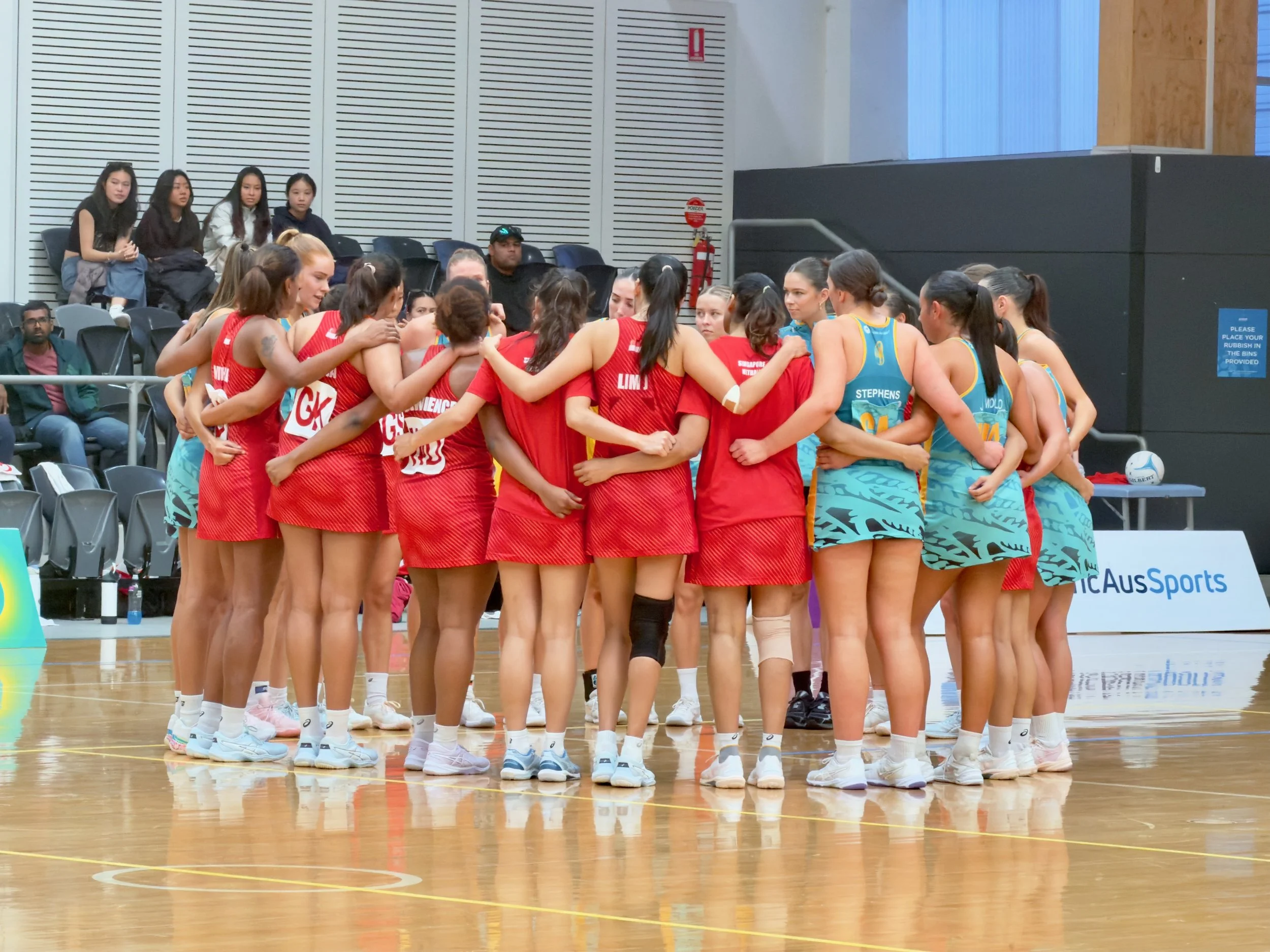
Australia arrived looking every bit like a high-performance national programme. Matching tracksuits, coordinated equipment, coaches, support staff and a polished professional setup surrounded the team. Singapore presented in much the same way.
Fiji and Papua New Guinea felt different. Their support teams appeared much smaller and the overall presentation noticeably more modest. That isn’t a criticism. If anything, it reinforced why tournaments like the Spirit Series matter.
Watching the players also left me wondering about their individual ambitions. For athletes representing Fiji, Papua New Guinea and Singapore, do some hope tournaments like this become a pathway into Australia’s Super Netball competition or England’s Netball Super League? I don’t know the answer, but if I were in their position, the opportunity to test myself against stronger opposition and perhaps catch the attention of professional clubs would be a powerful motivation.
Stepping outside between matches, the contrast was almost amusing. Inside, I had spent much of the day wearing a beanie and sweater against the winter chill. Outside, the clear blue sky and winter sunshine made the walk around Netball Central surprisingly pleasant. The trip from Hornsby to Concord West had been straightforward, another reminder of how accessible many of Sydney’s sporting venues are if you’re prepared to catch a train and walk a little.
By the end of the afternoon, I realised the Spirit Series had done something I wasn’t expecting. It hadn’t simply entertained me. It had reminded me why I enjoy exploring sports outside my usual favourites.
What stayed with me wasn’t simply Australia’s victory or Fiji’s passionate supporters. It was how accessible the entire experience had been. Sitting just metres from the court, watching international athletes compete in a purpose-built venue, and seeing teams from across the region share the same stage reminded me that elite sport doesn’t always require a packed arena or a prime-time television audience.
The Spirit Series isn’t just about deciding a winner. It’s about developing players, strengthening relationships across the region and giving supporters the chance to experience international netball up close.
I arrived curious.
I left with a much greater appreciation for the sport, and every intention of making sure this won’t be my last visit to Netball Central.